You are here: Home > 10-Year Lifecycle Cost Analysis

10-Year Lifecycle Cost Analysis

CapEx vs OpEx • Service Call Reduction • Battery vs Hardwired • High-Traffic ROI Modeling
FontanaShowers® | Commercial Urinal Auto Flush Systems

10-Year Lifecycle Cost

A true lifecycle cost model compares initial installation cost (CapEx) with the operational cost of keeping restrooms functioning (OpEx). For commercial urinal auto flush systems, the largest long-term costs typically come from service calls, downtime events, battery programs, and water waste caused by continuous flow or false flush cycles. This guide frames a 10-year evaluation approach facility teams can use to select power strategy, maintenance schedule, and recessed vs exposed architecture based on total cost of ownership.

CapEx vs OpEx Downtime Reduction Serviceability High-Traffic ROI
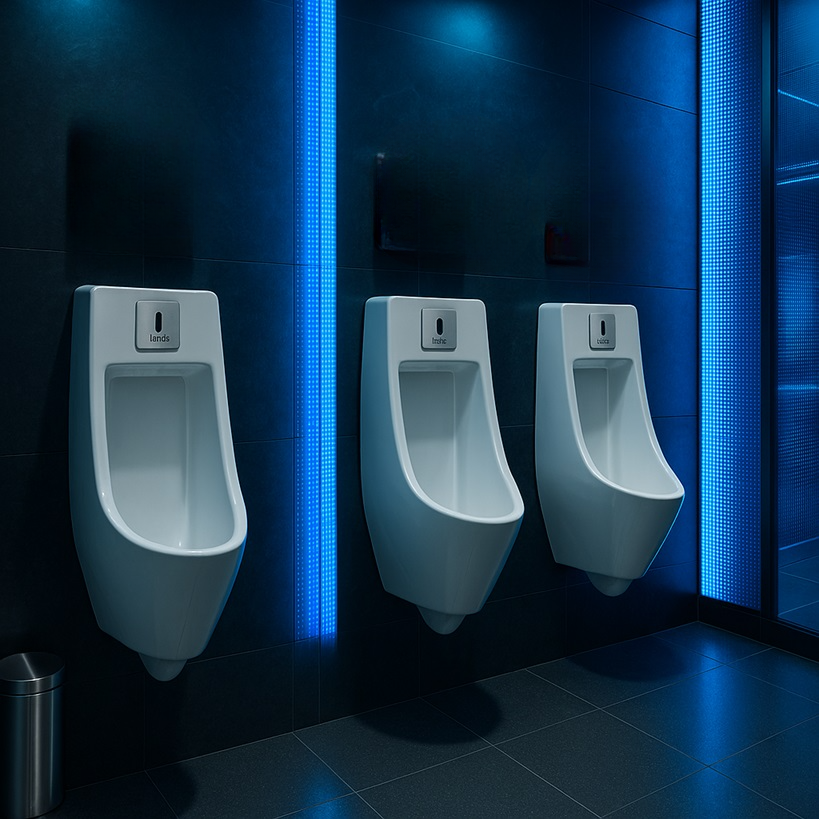
Commercial restroom 10-year lifecycle cost planning for urinal auto flush systems including maintenance, uptime, and water efficiency

Lifecycle cost is driven by service calls, downtime, battery replacement programs, and preventing continuous-flow water waste—not just fixture purchase price.


Design & Technical Visuals
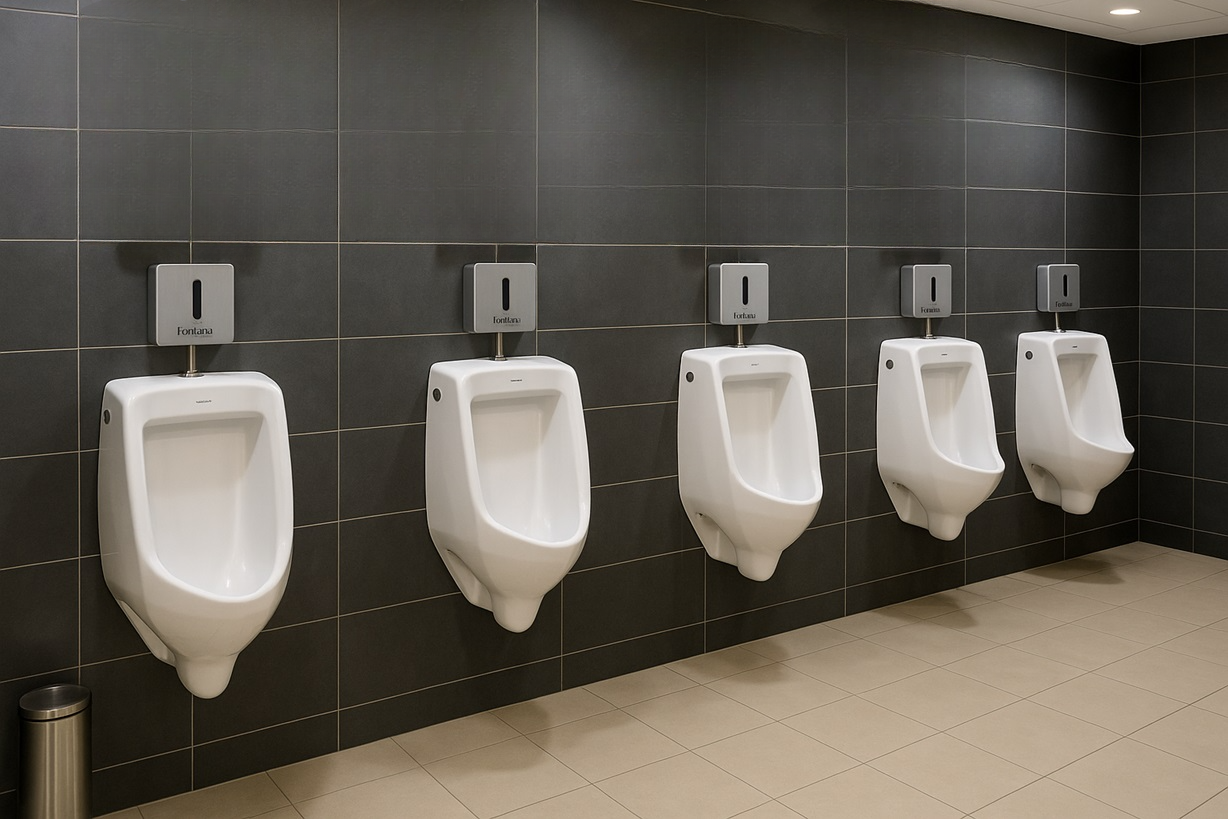
Lifecycle cost planning for commercial urinal flush valves emphasizing serviceability and modular internal components
Serviceability impact: modular internals reduce labor time per repair event and lower total OpEx
10-year cost comparison framework for recessed vs exposed urinal flushometer systems in commercial restrooms
Architecture decision: recessed vs exposed affects damage risk, cleaning time, and long-term replacement frequency
Office building 10-year lifecycle model for urinal auto flush systems comparing battery maintenance cycles versus hardwired stability
Office environments: predictability—battery programs can be economical if scheduled and documented
Airport restroom lifecycle cost and uptime strategy using hardwired commercial urinal auto flush systems to reduce downtime
Airport environments: uptime economics—hardwired systems often reduce total cost by eliminating battery-driven failures