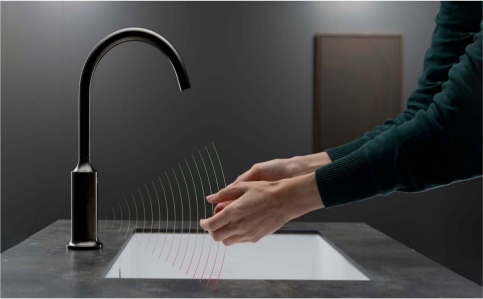
Automatic Commercial Soap Dispensers
Choose Fontana automatic commercial soap dispensers to create a cleaner, smarter, and more professional restroom experience. With stylish finishes including chrome, matte black, brushed gold, and brushed nickel, our touchless soap dispensers combine hygiene, functionality, and luxury design for today’s modern commercial spaces.
COMMERCIAL SOAP DISPENSERS · TOUCHLESS HYGIENE · FACILITY ENGINEERING
Why Choose Fontana Commercial Automatic Soap Dispensers®?
Engineering questions covering commercial soap dispensing performance, sensor reliability, maintenance efficiency, and lifecycle value for demanding public facilities.
COMMERCIAL RELIABILITY
Why specify Fontana Commercial Automatic Soap Dispensers®?
Engineered for dependable dispensing, long service life, and continuous operation in demanding commercial environments.
ASPE Plumbing Engineering →
TOUCHLESS HYGIENE
How do automatic soap dispensers improve hygiene?
Hands-free dispensing reduces contact with shared restroom surfaces during routine handwashing.
CDC Hand Hygiene →
MAINTENANCE EFFICIENCY
How do commercial dispensers reduce facility maintenance?
Controlled soap delivery minimizes waste while simplifying refill schedules and routine servicing.
GSA Facility Design →
COMMERCIAL APPLICATIONS
Where are Fontana Commercial Automatic Soap Dispensers® commonly installed?
Hospitals, airports, universities, hotels, office buildings, stadiums, retail centers, and government facilities.
OSHA Workplace Hygiene →
Related Technical Knowledge
Explore commercial automatic soap dispensers, bulk refill systems, touchless technology, and facility engineering resources.
|
|
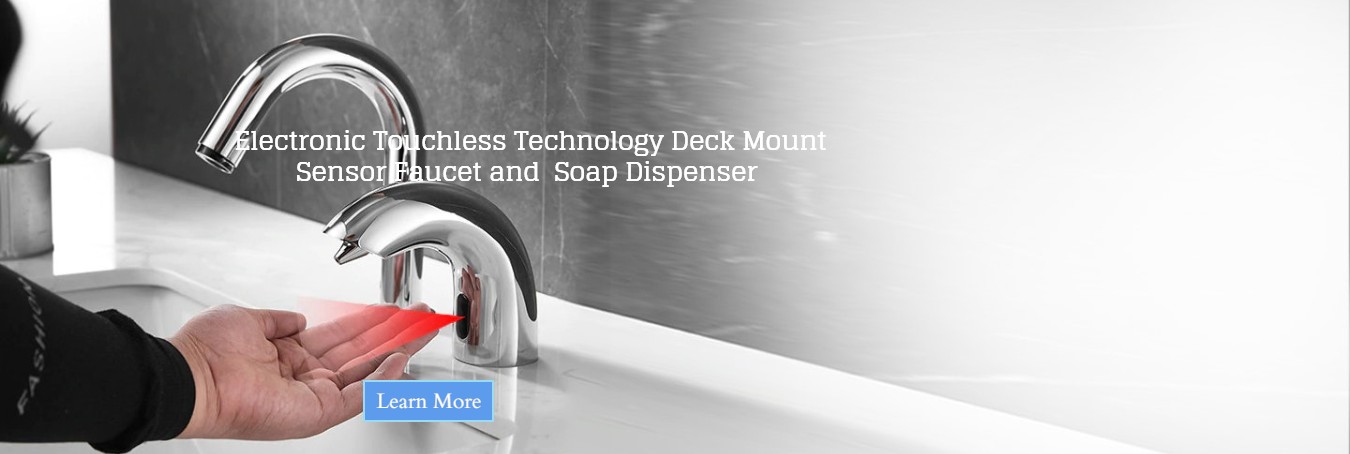
Automatic Commercial Soap Dispensers for Modern Public Restrooms
Upgrade public restroom hygiene and efficiency with premium Commercial Automatic Soap Dispensers from Fontana Touchless Faucets. Designed for high-traffic commercial environments, these touchless soap dispensers provide a modern hands-free solution for offices, hotels, restaurants, hospitals, airports, shopping malls, and other public facilities. Equipped with advanced infrared motion sensor technology, our commercial automatic soap dispensers help reduce cross-contamination while promoting better hand hygiene.
Fontana commercial touchless soap dispensers are engineered for durability, reliability, and long-lasting performance. Built from premium brass and stainless steel materials, these dispensers are ideal for demanding commercial restroom applications. Available in deck-mounted and wall-mounted designs, they complement modern restroom aesthetics while delivering consistent soap dispensing with minimal waste. Many models feature adjustable soap volume control, battery or AC power options, and compatibility with both liquid and foam soap.
Our commercial automatic soap dispensers are ADA-friendly and designed to meet the needs of architects, contractors, facility managers, and business owners seeking efficient and hygienic restroom solutions. Touch-free operation not only improves sanitation but also reduces maintenance requirements and operating costs by preventing soap overuse and countertop mess. Whether you need a compact countertop dispenser for a restaurant restroom or a heavy-duty automatic soap dispenser for hospitals and industrial facilities, Fontana offers a wide range of commercial-grade options to fit your project requirements.
1. What is a commercial automatic soap dispenser?
A commercial automatic soap dispenser is a touchless device that uses infrared sensor technology to dispense soap automatically when hands are detected underneath.
2. Are automatic soap dispensers suitable for high-traffic restrooms?
Yes, commercial automatic soap dispensers are specifically designed for heavy-use environments such as airports, hotels, offices, hospitals, and restaurants.
3. Do touchless soap dispensers help improve hygiene?
Yes, touchless operation helps reduce cross-contamination by eliminating the need to touch the dispenser surface during handwashing.
4. Can commercial automatic soap dispensers use foam and liquid soap?
Many commercial soap dispensers are compatible with both liquid soap and foam soap depending on the model specifications.
5. Are commercial automatic soap dispensers easy to install?
Yes, most models are designed for simple installation and are available in wall-mounted or deck-mounted configurations for commercial restrooms.
Frequently Asked Questions
How does soap viscosity affect automatic soap dispenser performance in commercial restrooms?
Soap viscosity directly affects pump load, dispense speed, nozzle cleanliness, and long-term maintenance. For high-traffic projects, the soap formula should be matched to the dispenser type before installation. Fontana commercial options can be reviewed under commercial automatic soap dispensers.
Why do some sensor soap dispensers waste soap even when the sensor is working correctly?
Soap waste is often caused by poor mounting distance, reflective counters, oversized dispensing volume, or users triggering the sensor twice while searching for water. Proper commissioning should include dose testing, sensor-range review, and sink-zone observation.
Should architects coordinate soap dispenser placement before selecting the sink?
Yes. Sink depth, backsplash height, faucet reach, deck thickness, splash pattern, and maintenance access all influence dispenser placement. Early coordination helps avoid drilling conflicts, refill-access problems, and awkward hand-positioning after installation.
What is more important in a commercial soap dispenser: reservoir capacity or refill labor time?
Refill labor time is often more important than capacity alone. A large reservoir that is difficult to access can cost more to maintain than a smaller system with faster servicing. For large facilities, centralized or multi-feed systems should be considered when reducing maintenance trips is a priority.
How does ADA accessibility apply to automatic soap dispensers beyond mounting height?
ADA review should consider reach range, clear floor space, sink approach, operable location, and whether the dispenser can be used without tight grasping or awkward body movement. Designers can cross-check installation planning with the ADA Standards for Accessible Design.
Can automatic soap dispensers interfere with nearby touchless faucets?
Yes. When sensors are installed too close together, overlapping detection zones may cause false activation or confusing user behavior. Coordinated placement between the soap outlet and sensor faucet helps improve hygiene flow. Related faucet categories can be reviewed under commercial touchless faucets.
Why should pump cycle life be evaluated separately from sensor life?
The sensor may continue detecting hands properly while the pump, tubing, check valve, or nozzle begins to wear. Commercial buyers should evaluate the full dispensing system, not just the electronics, especially in airports, schools, hospitals, and office towers.
What should facility managers test during dispenser commissioning?
Commissioning should verify dose volume, sensor response, refill access, leak resistance, battery or power supply stability, soap compatibility, and user reach. Facility teams can also align maintenance planning with professional facility-management resources from IFMA.
Does automatic soap dispensing contribute to hand-hygiene design strategy?
Yes. Touchless soap dispensing reduces surface contact and supports a more consistent handwashing sequence when paired with sensor faucets and proper restroom layout. Public handwashing guidance from the CDC handwashing resource can support hygiene-focused restroom planning.
How should automatic soap dispensers be specified for LEED or water-efficiency projects?
Soap dispensers do not save water by themselves, but they affect the overall lavatory station design, user flow, faucet pairing, maintenance planning, and restroom cleanliness. Water-saving faucet coordination should reference the EPA WaterSense program.
What documentation should be requested before approving a commercial automatic soap dispenser?
Specifiers should request installation instructions, technical drawings, refill procedure, power requirements, maintenance documentation, warranty terms, and replacement-parts information. Fontana technical and product navigation can also be reviewed through the FontanaShowers product list.
Why do plumbing certifications matter even when the dispenser only handles soap?
Commercial restroom projects are reviewed as complete plumbing environments. When dispensers are paired with faucets, sinks, drains, and supply fittings, designers often evaluate the full station against applicable plumbing and material standards. For related certification context, see NSF plumbing certification.
How can automatic soap dispensers reduce custodial workload?
Correctly specified dispensers reduce counter residue, dripping, refill frequency, manual contact points, and user complaints. The biggest operational savings usually come from proper dose control, accessible refills, anti-drip nozzles, and durable commercial-grade housings.
Should battery-powered soap dispensers be used in very high-traffic restrooms?
Battery-powered units can work well when access is easy and preventive maintenance is scheduled. For airports, stadiums, universities, and office towers, AC-powered or hybrid systems are often preferred to reduce battery replacement interruptions.
How should soap dispenser specifications be reviewed against plumbing code coordination?
Code coordination should consider sink layout, fixture spacing, accessibility, electrical safety, maintenance access, and compatibility with the overall lavatory assembly. Plumbing-code resources from IAPMO Uniform Plumbing Code can support broader project review.
|
|
|