Pros and Cons of Automatic Soap Dispensers — Commercial Guide
Commercial Washroom Planning
Automatic Soap Dispensers. Reliable Between Every Use.
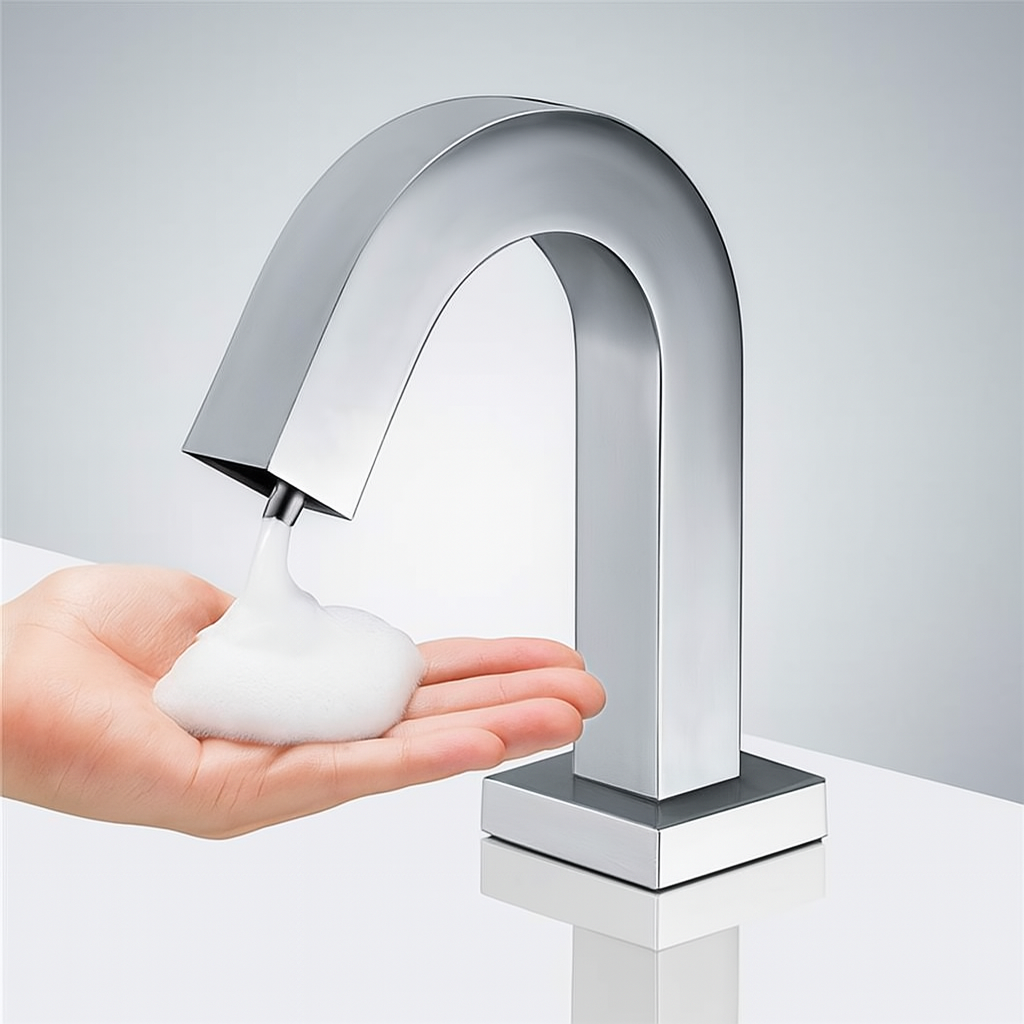
Commercial and public restrooms operate under demanding conditions. Automatic dispensing systems must deliver consistent activation, controlled dosing, and dependable serviceability throughout every operating cycle.
High-traffic facilities need more than touch-free operation. They need systems designed around uptime, maintenance access, and long-term operating cost.
Consistent touch-free activation during peak traffic
Controlled soap output with reduced waste
Battery and hard-wire power planning options
Centralized Multi-Feed support for large facilities
Commercial-grade finishes and serviceable components
The result is a cleaner, more resilient washroom system—one that performs reliably before, during, and after every high-demand period.
Compare automatic dispensers, coordinated faucet systems, and Multi-Feed solutions for demanding washroom environments.
WHY AUTOMATIC FAUCETS ?
FEATURES
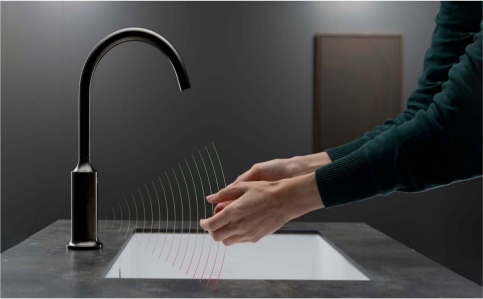
Touchless faucets are widely used in commercial and public restrooms to improve hygiene, conserve water, and support modern hands-free sanitation standards.
Automatic soap dispensers are gaining popularity these days. They help us keep our hands clean without directly touching anything. This is important because it helps stop the spread of germs. But like everything else, these dispensers have both good and bad points. One of the best things about auto soap dispensers is their easy use. You just need to put your hand under the dispenser, and it gives you the right amount of soap. This is great because it means you don't have to touch a soap bottle that could be covered in germs. However, there are also some downsides to these dispensers. For one, some models can be quite expensive. Also, they work on batteries, so you'll need to remember to change them and factor in this extra cost. But even with these issues, hands free soap dispensers are still a great tool for keeping hands clean. They show how technology can make our lives easier and healthier. As we go through the pros and cons of automatic soap dispensers, we'll see why they're becoming so popular.
Auto Soap Dispenser Commercial Reality
A quick decision table for high‑traffic washrooms where dosing consistency, uptime, and maintenance workload matter as much as touch‑free hygiene.
Pros(Why spec it)
Cons(What to plan for)
Touch‑free hygiene: reduces contact points and helps limit cross‑contamination.
Controlled dosing: consistent output per activation helps minimize over‑dispensing.
Cleaner user experience: less mess than shared manual pump bottles in busy areas.
Operational consistency: when calibrated, reduces soap waste and improves supply forecasting.
Spec flexibility: deck‑mount, wall‑mount, and recessed options for different sink bay layouts.
Viscosity sensitivity: wrong soap type can clog lines/pumps or under‑dose.
Power planning: batteries need replacement; hard‑wire needs electrical coordination.
Pump wear over time: high duty‑cycle environments accelerate component fatigue.
False triggers: can occur if sensor placement/range isn’t tuned for lighting and reflectivity.
Refill labor: individual reservoirs take time unless a Multi‑Feed bulk system is used.
Specifiers:Select for dosing stability, maintainability, and durability—not just “touchless.”
Here are Specifier Notes & What to include in your submittals
Soap compatibility / viscosity: confirm the dispenser supports your intended medium (liquid vs. foam)
and any viscosity limits listed in the manufacturer’s spec sheet to reduce clogs and dosing drift.
Recommended dosing ranges: typical commercial targets are 0.8–1.5 mL per activation for liquid
and 0.4–1.0 mL for foam; specify adjustable dosing (DIP switches/programming) when you need tighter cost control.
Maintenance interval guidance: plan periodic nozzle wipe‑down and pump prime checks; for high‑traffic venues,
include a preventative schedule (e.g., monthly inspection + line flush when using bulk/Multi‑Feed systems).
Tip: If this is a high‑traffic restroom, then you will need to pair the dispenser spec with a bulk Multi‑Feed reservoir and service access notes to cut refill time.
Fontana Lima Commercial Dual Automatic Sensor Soap Dispenser
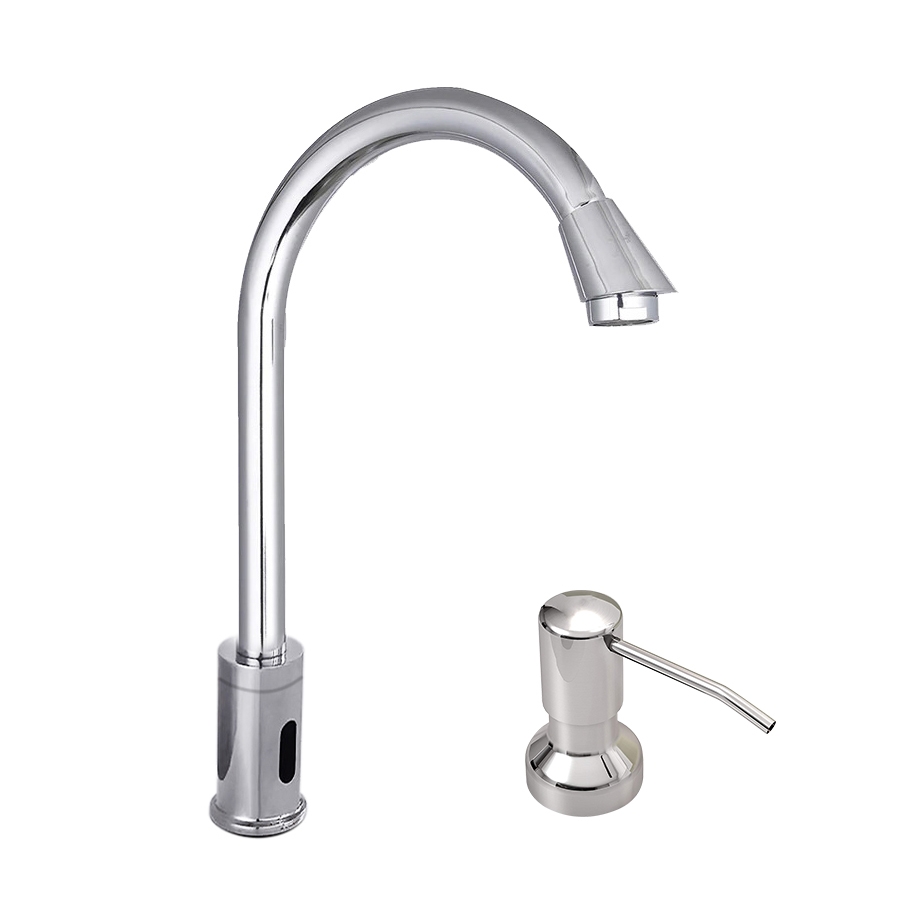
The Fontana Lima soap dispenser is a favorite for public places like offices, restaurants, or cafes. It's all thanks to two smart sensors that ensure soap comes out easily and smoothly whenever someone wants to wash their hands. This smart design means less soap is wasted, which saves money in the long run. Another great feature of this dispenser is how easy it is to use. Some soap dispensers come with confusing instructions that can be hard to follow. But not the Fontana Lima. It's simple to install on the wall. And when it's empty, refilling it is straightforward. It's user-friendly, making it a stress-free choice for busy places. But there's something important to remember: this dispenser needs batteries to work. So you'll have to change them occasionally, which is an extra cost. Also, sometimes, the sensor might need to be fixed. But these are small issues compared to the overall performance of this product.
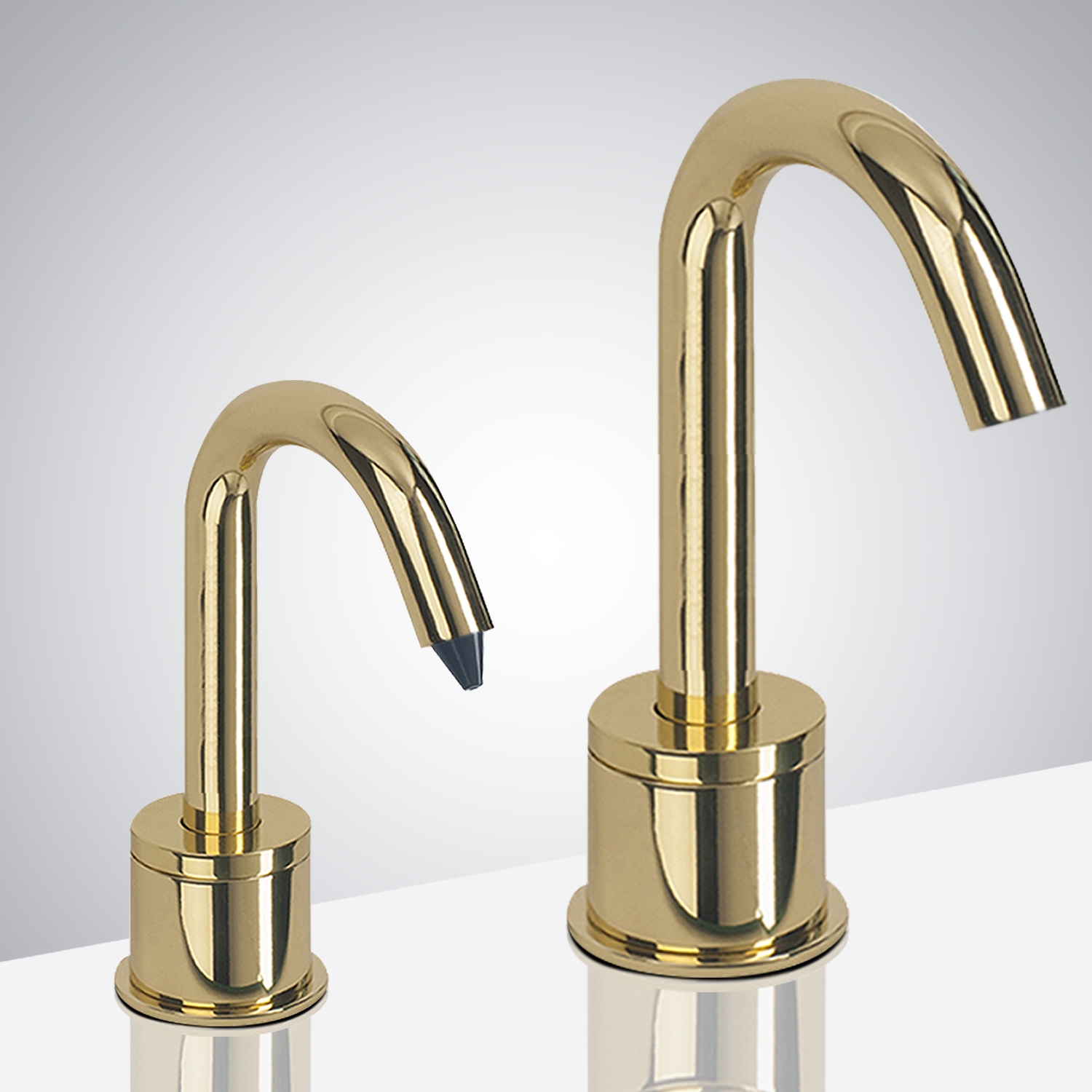
Fontana Verona Goose Neck Polished Gold Automatic Soap Dispenser
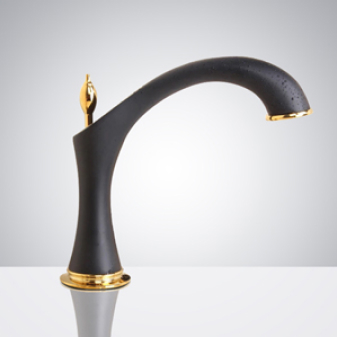
Unreliable activation, soap waste, constant refills, pump failures, false triggers, messy drips, weak construction, poor hygiene performance overall are some of the worst problems with automatic soap dispensers. If you're on the hunt for a soap dispenser that's both fancy and functional, check out the Fontana Verona. This dispenser is designed to ensure all the soap is used up, so nothing goes to waste. And its shiny gold finish adds a charming look to any room. This soap dispenser is a blend of style and practicality that's hard to resist. However, on the flip side, this model is more costly than others. But considering the quality, it's worth every penny. Just remember, to maintain its shine, you'll need to clean it regularly. Even with these points in mind, the Fontana Verona has won over many users because of its good looks and practicality. It's a top pick for bathrooms where style is just as important as functionality.
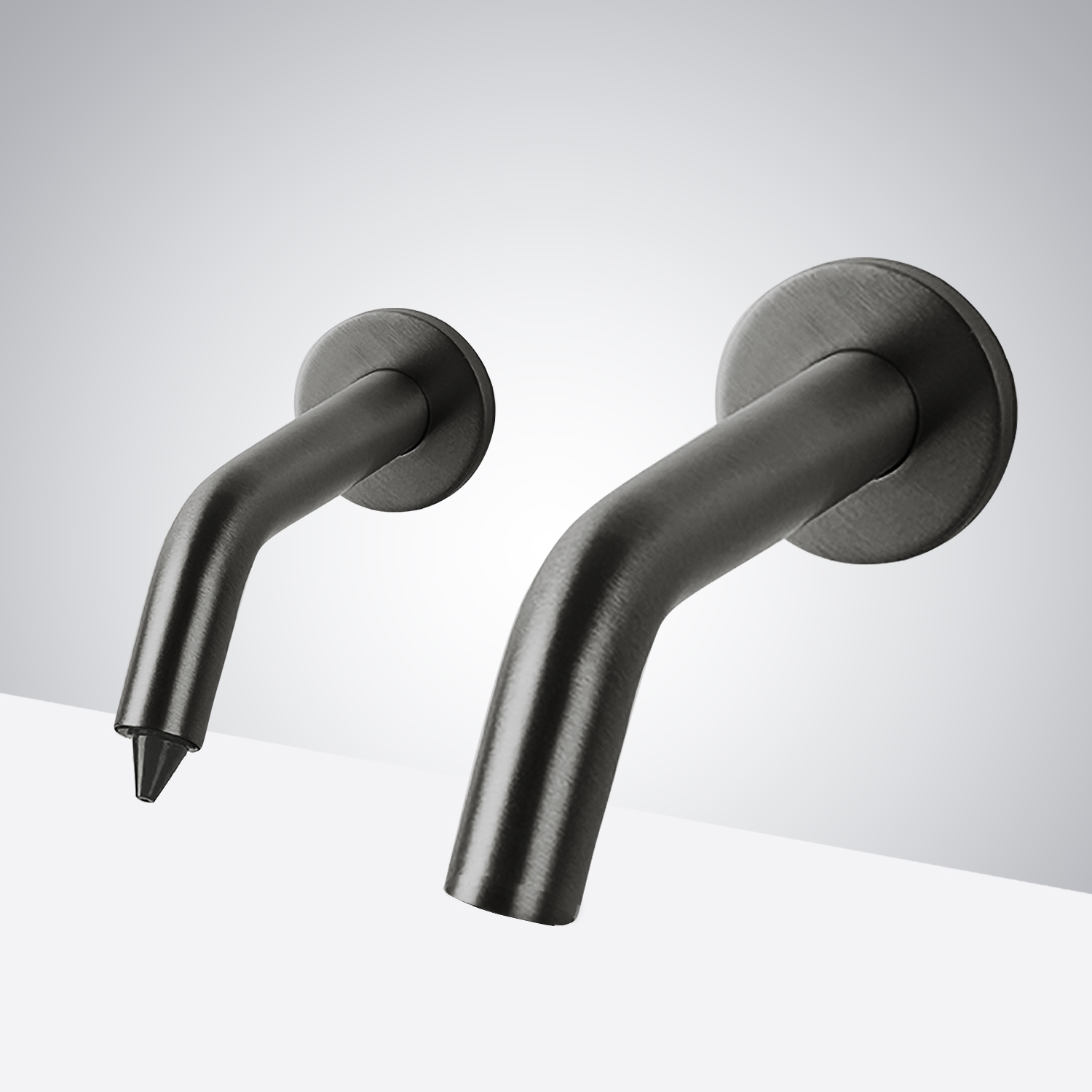
Fontana Milan Solid Brass Wall Mount Automatic Soap Dispenser
Sensor Washroom Duo for public restrooms—accurate detection, anti-false triggering, low-flow water savings, drip-controlled soap output, auto shut-off, ADA-ready design.The Fontana Milan soap dispenser is another strong contender in the market. Its solid brass construction means it's tough and can handle a lot of use. And because it mounts on the wall, it doesn't take up any counter space. This makes it an excellent choice for commercial bathroom. One of the cons of this soap dispenser is that setting it up might be slightly tricky because it's heavy and needs to be securely attached to the wall. But once it's up, it works reliably and lasts for a long time. You won't have to worry about replacing it any time soon. With its sturdy build, space-saving design, and efficient operation, the Milan dispenser is a top choice for modern bathrooms.
FontanaTouchless multi-feed technology is engineered for lifecycle cost efficiency and facility-wide reliability.
Multi‑Feed Soap Dispenser Systems
For high‑traffic restrooms, a Multi‑Feed system centralizes liquid/foam soap supply in a single, large reservoir that feeds multiple automatic dispensers. This reduces refill labor, keeps counters clear, and helps maintain consistent dosing across fixtures. Rather than relying on fragmented refill schedules and mismatched dispenser components, FontanaTouchless delivers a spec-grade, integrated soap management solution trusted in high-traffic commercial environments.
Centralized reservoir: Bulk tank (often 1–5+ gallons) concealed under‑counter or in a service chase.
Multi‑tap distribution: Tubing manifold supplies 2–6+ dispensers from one reservoir.
Cleaner aesthetics: Fewer individual bottles at the sink deck; easier custodial workflow.
Lower total cost: Bulk soap purchasing and fewer individual refills reduce consumable and labor costs.
Compatibility: Most systems support either liquid or foaming soap; verify viscosity and cartridge requirements.
Power: Battery or hard‑wire options; plan outlets in millwork/undersink where required.
Tip: During design, leave service access panels and specify quick‑disconnects on lines to simplify maintenance and swap‑outs.
Frequently Asked Questions
Are automatic soap dispensers ADA compliant?
Most deck‑ and wall‑mounted units can meet ADA operability with touch‑free activation force and reach‑range requirements when installed per manufacturer rough‑in diagrams. Always verify clearances and spout reach in your submittals.
What types of soap work (liquid vs. foam)?
Many dispensers are viscosity‑specific. Using the wrong medium (e.g., foam in a liquid‑only pump) can cause clogging or under‑dose. Check the product page/spec sheet for the supported soap type and viscosity range.
Battery or hard‑wire—what should I choose?
Battery power speeds retrofit and keeps installation simple. Hard‑wire is better for high‑traffic restrooms (less maintenance). On plan sets, note power locations for each sink bay if hard‑wired.
How do Multi‑Feed systems affect maintenance?
They centralize refills to one reservoir, reducing time at each sink. Schedule periodic line flushes and keep spare check valves/tubing on hand for quick service.
Can I use bulk soap instead of proprietary cartridges?
Bulk systems lower cost but confirm warranty terms. Some models require OEM cartridges; others are designed for open‑fill reservoirs. Verify before purchase.
How do I prevent vandalism or theft?
Specify locking fill caps and tamper‑resistant hardware. For public venues, select metal‑body units and consider recessed wall boxes where possible.
What's the expected soap dose per activation?
Typical dosing ranges from 0.8–1.5 mL for liquid and 0.4–1.0 mL for foam. Many models let you adjust this in programming or DIP switches.
Any tips for installation and commissioning?
Follow the rough‑in heights, prime lines before first use, and test sensor range under final lighting conditions (IR sensors can be affected by reflectivity and ambient light).
Commercial Auto Soap Dispenser Resources & Planning
Selecting the right
commercial soap dispenser requires more than choosing a finish.
Below are technical planning resources and commercial-grade category references to support
facility managers, architects, and specifiers during design and procurement.
Commercial Automatic Soap Dispenser Category:
Browse the full range of
commercial automatic soap dispensers
including deck-mount, wall-mount, recessed, and heavy-duty brass models engineered for high-traffic environments.
Multi-Feed Bulk Soap Systems:
Explore centralized
Multi-Feed automatic soap dispenser systems
designed for airports, stadiums, healthcare facilities, and hospitality projects where refill efficiency and lifecycle cost matter.
Touchless Faucet Integration:
For coordinated washroom design, review our
commercial touchless faucet systems
engineered to integrate with sensor-based soap dispensers for consistent user experience and ADA-compliant installations.
Commercial Restroom Planning Guide:
Understand layout coordination, power planning, service access requirements, and high-traffic restroom durability considerations for automatic dispensing systems.
ADA & Compliance Documentation:
Verify reach ranges, operability standards, sensor activation compliance, and installation clearances within official project submittals before procurement.
Tip: For large-scale projects, combine automatic soap dispenser specifications with bulk reservoir planning, hardwire coordination, and service access panels to reduce long-term operational cost.
Coordinated Sink Systems
Plan sensor placement, spout reach, soap delivery, power, and service access as one integrated washroom system.
Built for Serviceability
Commercial-grade materials and accessible components support reliable operation in demanding facilities.
Get in touch with us
Let us know more about your project or any inquiries by filling the form below, and our representatives will be in touch as soon as possible.
Read Failure & Performance Data.... Read More Lifecycle Cost + ROI Engineering Analysis.... Read More Environment-Specific Engineering Guidance.... Read More 👉 Failure → Root Cause → Engineering Fix → Validation Method → Performance Impact