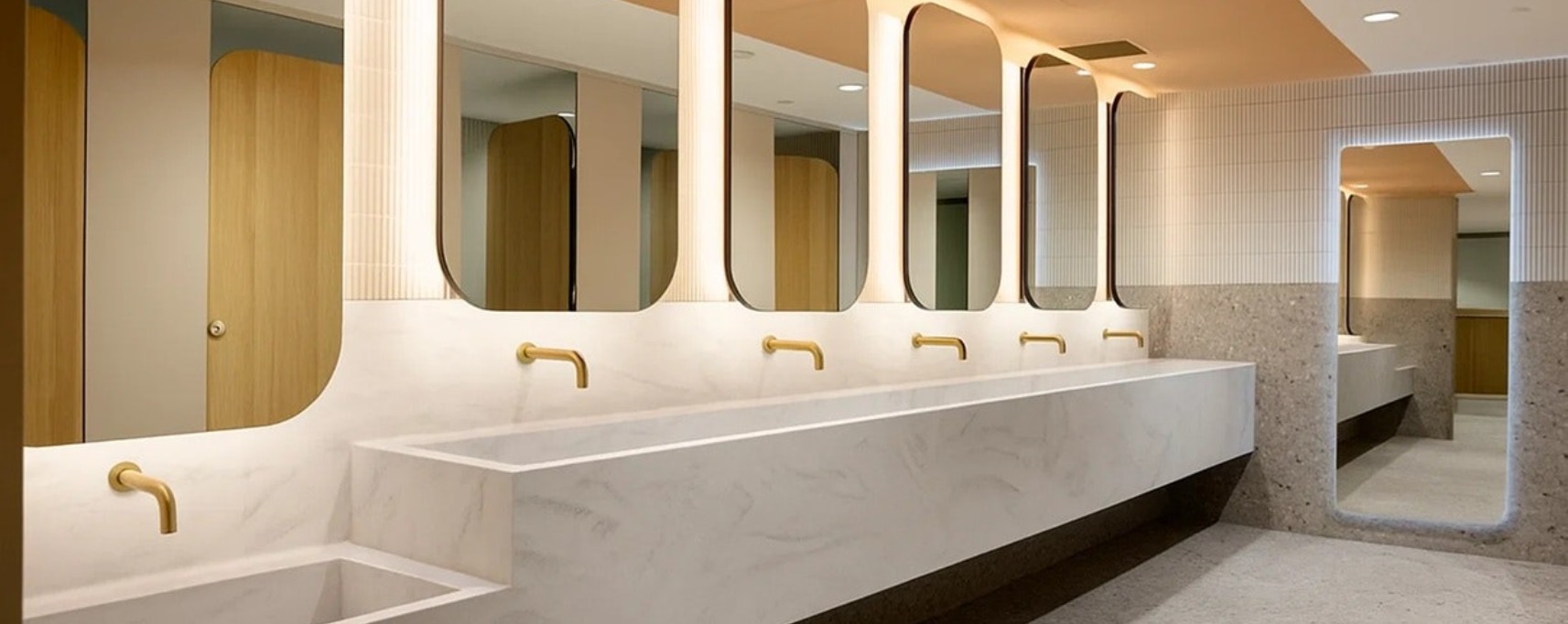
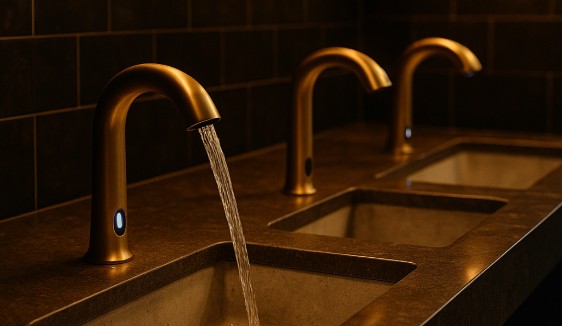
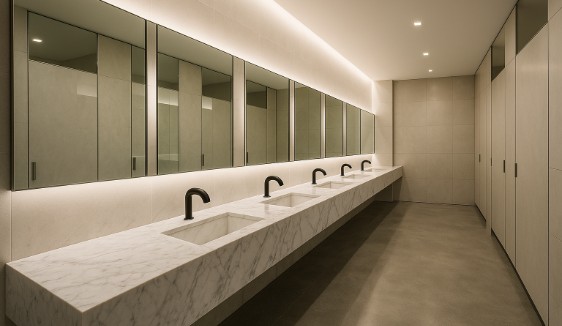
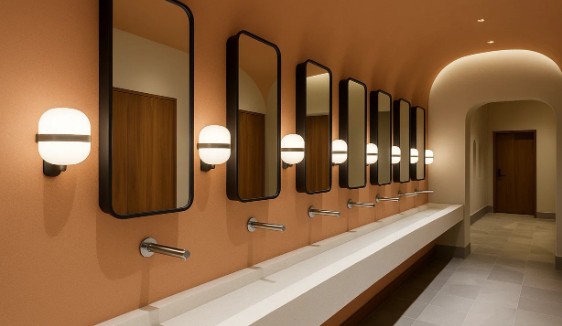
Fixtures made of DZR brass and 316 stainless steel, along with better PVD finishes, can last for decades of heavy use without rusting, changing color, or becoming mechanically worn out.
Better cleanliness and user experience
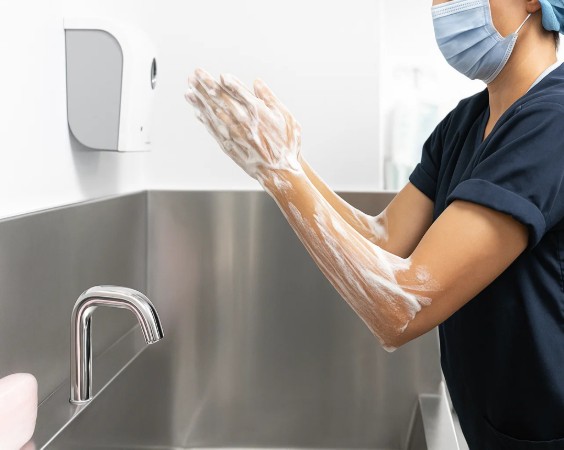
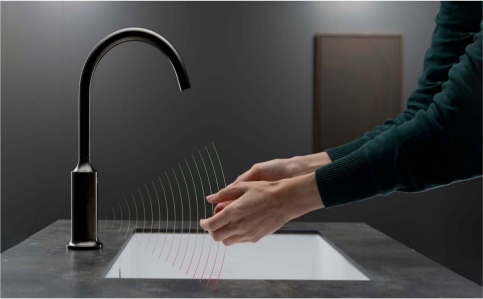
Touchless sensors prevent cross-contamination, and laminar flows prevent bacteria from spreading. Anti-fingerprint coatings and vandal-resistant enclosures keep things appearing cleaner and nicer.
Operational Efficiency
Energy-efficient PoE integration, off-the-shelf components, and modularity maintenance systems reduce operational costs and downtime, which is quite crucial where restrooms are constantly in use.
Safety and Compliance
Thermostatic mixing valves, backflow protection, and cold-fail shutoff mechanisms ensure that the product complies with global safety standards and protects users against scalding or contamination.
The Requirement of Hardware Hardening
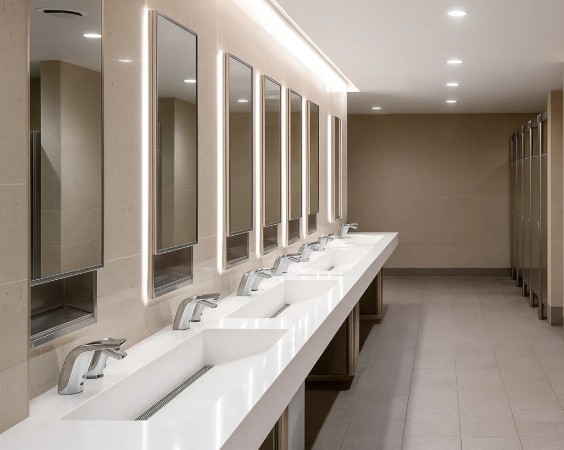
Where you have a lot of people using the bathroom, such as in shopping centers and airports, the fixtures are touched thousands of times daily. If you do not harden finishes, they deteriorate rapidly, rust occurs on parts, and the potential for vandalism increases. Hardware hardening not only extends the life of items, but it also makes items easier to operate and cleaner.
Hydraulics: Safety and Efficiency
Water efficiency matters a lot in business restrooms. Airports, office buildings, and stadiums ought to have 0.35 to 0.5 gallons per minute flows. In hospitals and food service, non-aerated laminar flows matter a lot, however.
Conclusion: A Plan for Designing Smart, Scalable Bathrooms
Key
Summary
Durability
Durable Fixtures are dependable, corrosion-proof, and visually consistent for decades due to hardened material and high-end finishes.
Cleanliness
Being clean Touchless sensors, laminar flows, and fingerprint-free coatings render the product clean and easy to use.
Efficiency
Modular maintenance strategies and smart power reduce downtime and expense.
Safety
Users and facilities are protected due to inlet protection, by the rules, and thermostatic mixing.
Gallery of Projects
Airports use materials that are resistant to vandalism and last a long time.Thermostatic mixing and laminar outlets are used in healthcare settings.Anti-fingerprint finishes and multifeed soap systems make it easier to keep universities clean.
Showcase of Videos
A Look at Hardware Hardening
How selecting materials and finishes that are resistant to wear and tear can enhance performance over time.
Power and smart sensors
Touchless operation, EMC compliance, and integration with PoE for large buildings.
0.35–0.5 GPM flows, laminar streams, thermostatic mixing, and backflow protection all work together to make sure that everything is safe and efficient.
ToF sensors, compliance with EMC/ESD, PoE capability, and batteries that can be swapped out while the device is running all help keep it running and reliable.
Questions That Come Up Often
Why is it important to harden hardware?
Because high-traffic environments expose fixtures to thousands of uses daily. Hardened metals and finishes resist wear, corrosion, and vandalism.
What options for flow make things safer and more efficient simultaneously?
0.35–0.5 GPM balances handwashing performance with conservation; laminar flow minimizes aerosols in sensitive facilities.
How do intelligent sensors extend things' lifespan?
ToF sensors with ambient light immunity, EMC compliance, and IP-rated electronics ensure reliable, touchless operation in varied conditions.
Why is it more convenient to maintain things?
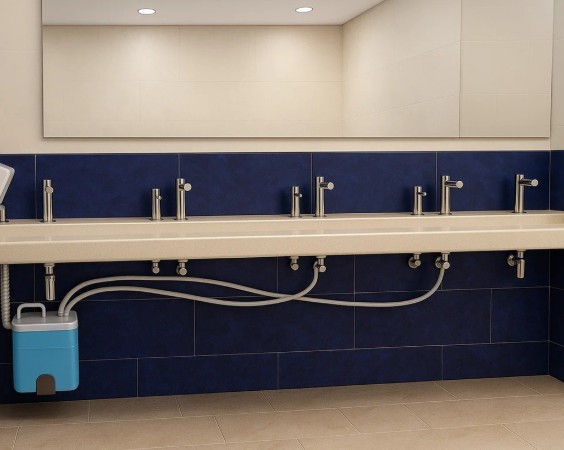
Front-serviceable modules, common parts kits, and tool-free connectors allow rapid, reliable servicing with minimal downtime.
Request the Spec Kit and BIM
Obtain cut sheets, Revit families, ADA clearances, and CSI specs in all alignment with your requirements for durability and sanitation.