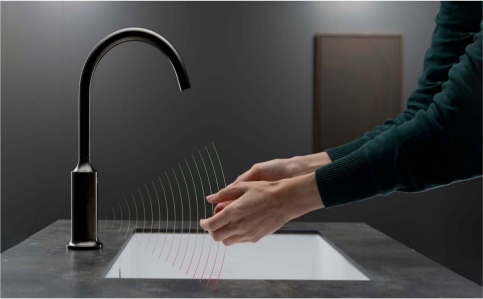


WELL Certified Touchless Faucets
Touchless faucets are no longer just a decorative upgrade in modern commercial restroom design. Sensor-activated fixtures are part of a larger performance strategy for architects, engineers, spec writers, owners, facility managers and commissioning teams, which includes hygiene, water efficiency, accessibility, maintainability, durability and occupant wellness. For this reason, FontanaTouchlessFaucets WELL Certified Touchless Faucets should be considered technical assets in WELL-oriented, LEED-conscious and high-traffic building environments, not simply finished plumbing fixtures.
Read MoreShow Less
The WELL Building Standard seeks to improve human health and well-being through design, operations and policy. WELL Certification is given at the project or organization level, not to a single tap. However, properly specified lavatory fixtures can support WELL documentation by helping project teams address water quality, handwashing access, hygiene behaviours, cleaning operations and resource-conscious performance. For AEC professionals, the practical question isn’t just whether a tap is 'touchless'. The better question is whether the tap supports the intended performance narrative of the building from design development through post-occupancy operations
FontanaTouchlessFaucets provides a wide variety of commercial touchless faucets for public restrooms, office buildings, hospitality, healthcare-adjacent locations, airports, restaurants, schools and institutional facilities. The AEC specs matter to the brand’s sensor-activated tap systems because they speak to a common lavatory design challenge — how to reduce hand contact, control water use, maintain reliable activation, and support a consistent user experience across large fixture counts.


How Touchless Faucets Contribute to WELL-Based Design
In WELL-focused projects, lavatory fixtures are often considered from the perspective of the occupants’ experience. “A tap should allow users to wash their hands comfortably, intuitively and with minimum contact with handles. This is where a sensor tap supports this intent by reducing touchpoints at the washbasin area to create a more hygienic interaction sequence for high-volume restrooms.
Read MoreShow Less
This is particularly critical in commercial interiors where the same fixture is used by many people throughout the day. Class A office towers, hospitality lobbies, healthcare support spaces, airport terminals and university buildings may have manual tap handles as frequent contact surfaces. But a properly calibrated automatic tap will turn on when hands enter the sensing area and turn off after use. This encourages handwashing behaviour and reduces unnecessary run time.
FontanaTouchlessFaucets can be part of an integrated restroom wellness approach for project teams using WELL strategies, including sensor faucets, soap dispensers, clear sink access, appropriate counter height, hand-drying coordination, cleanable materials, maintenance access and water management documentation. The tap is one piece, but it’s a very prominent and very used piece.


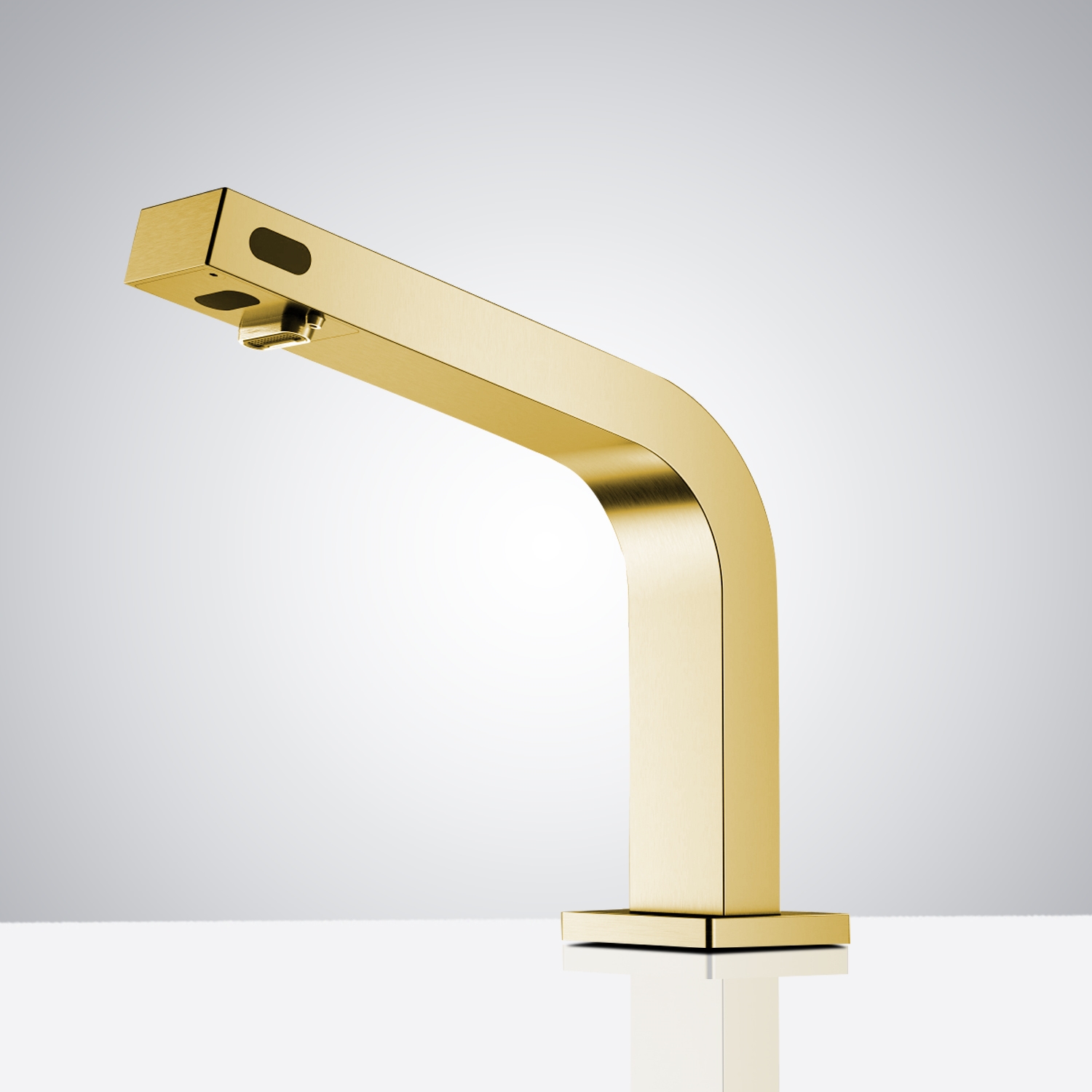
AEC Specification Technical Requirements
“Faucet specs should start with performance, not just AEC-grade appearance. A good touchless tap schedule should be well orientated to sensor type, power source, flow control, spout reach, deck compatibility, solenoid access, finish durability, mixing options, aerator performance, and maintenance requirements.
Read MoreShow Less
Many FontanaTouchlessFaucets models are infrared sensor-driven, with automatic shutoff logic and commercial-grade construction that is suitable for restrooms with repeated daily use. For example, a commercial automatic bathroom sensor tap can be tested for touch-free operation, commercial application readiness, sensor range, finish selection, installation conditions and compatibility with the project’s lavatory design intent.
As a plumbing engineer, you should consider the coordination of touchless faucets with supply pressure, mixing valves, shutoff valves, strainers, maintenance clearances and the building’s strategy for domestic water. The success of a sensor tap depends on the whole assembly around it. Even with a properly manufactured tap, fixture performance can be compromised if a project has inconsistent pressure, sediment, undersized supply lines or poor access below the deck.
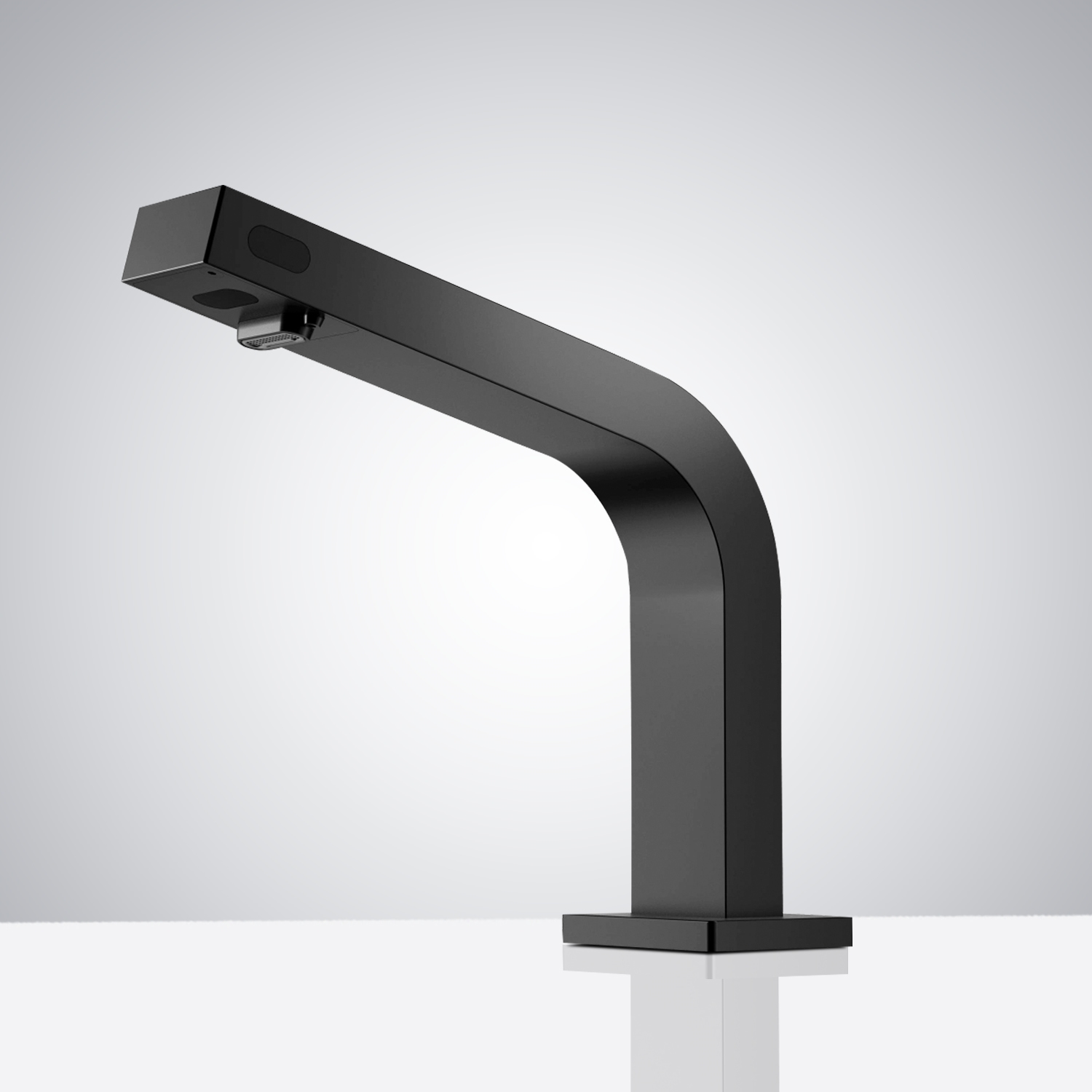

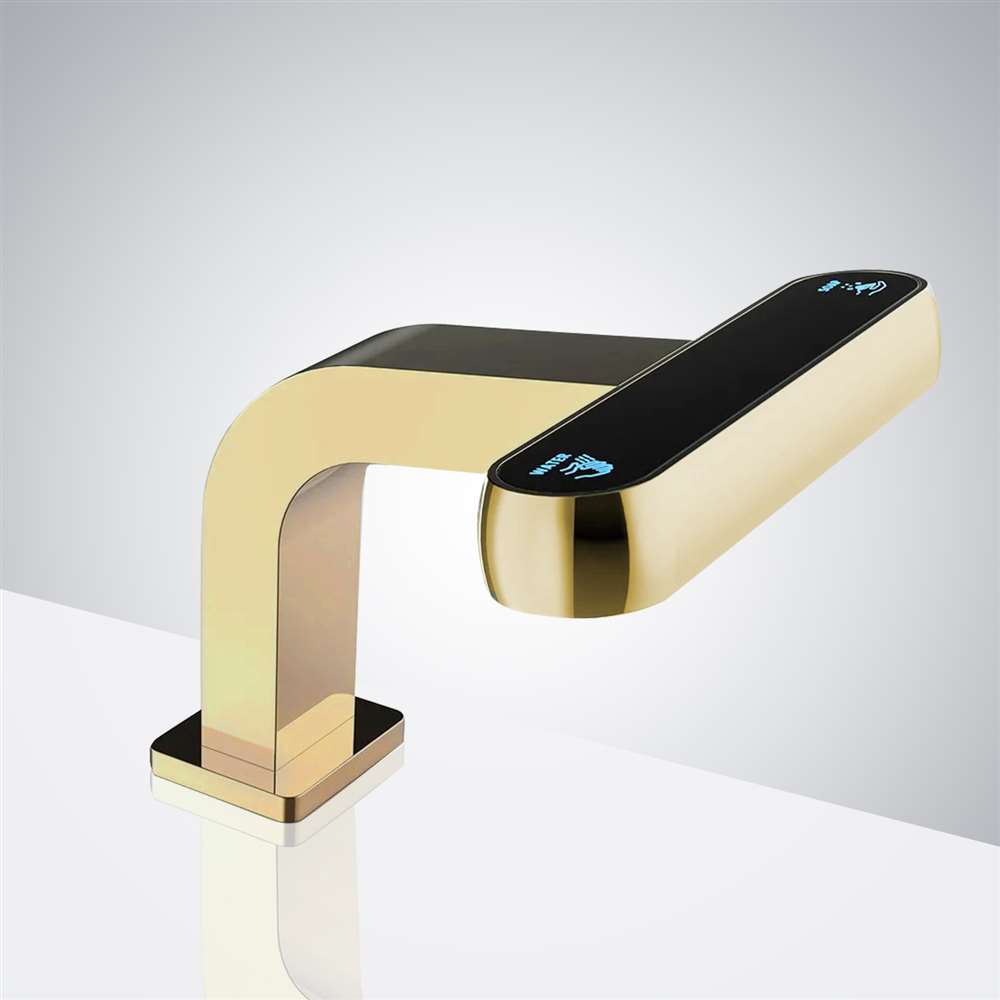

Standards & Compliance Alignment
AEC teams should compare the selected faucets to the applicable codes, standards, and project requirements. The ASME A112.18.1/CSA B125.1 plumbing supply fittings standard is an important reference for plumbing supply fittings which connect the supply stop and terminal fitting. For projects that include potable water contact, teams may also review material health and drinking water compatibility using NSF/ANSI 61 drinking water component guidance.
Read MoreShow Less
Water efficiency should be coordinated with EPA guidance, including EPA WaterSense bathroom tap resources and WaterSense at Work tap best practices. The commercial challenge is to achieve low-flow performance without sacrificing user acceptability. Aggressive flow rates can cause splash, poor rinsing or frustration for the user. Water budgets and hot-water energy savings can be negatively influenced by very high flow rates.
Accessibility is just as important. The 2010 ADA Standards for Accessible Design and the U.S. Access Board’s guidance on lavatories and sinks help teams evaluate reach, knee and toe clearance, operable parts and sink approach. Touchless operation can have advantages in that it reduces the need to grasp, twist or pinch. Fontana’s ADA touchless washbasin tap resources may be useful for teams looking into accessible lavatory fixture options.

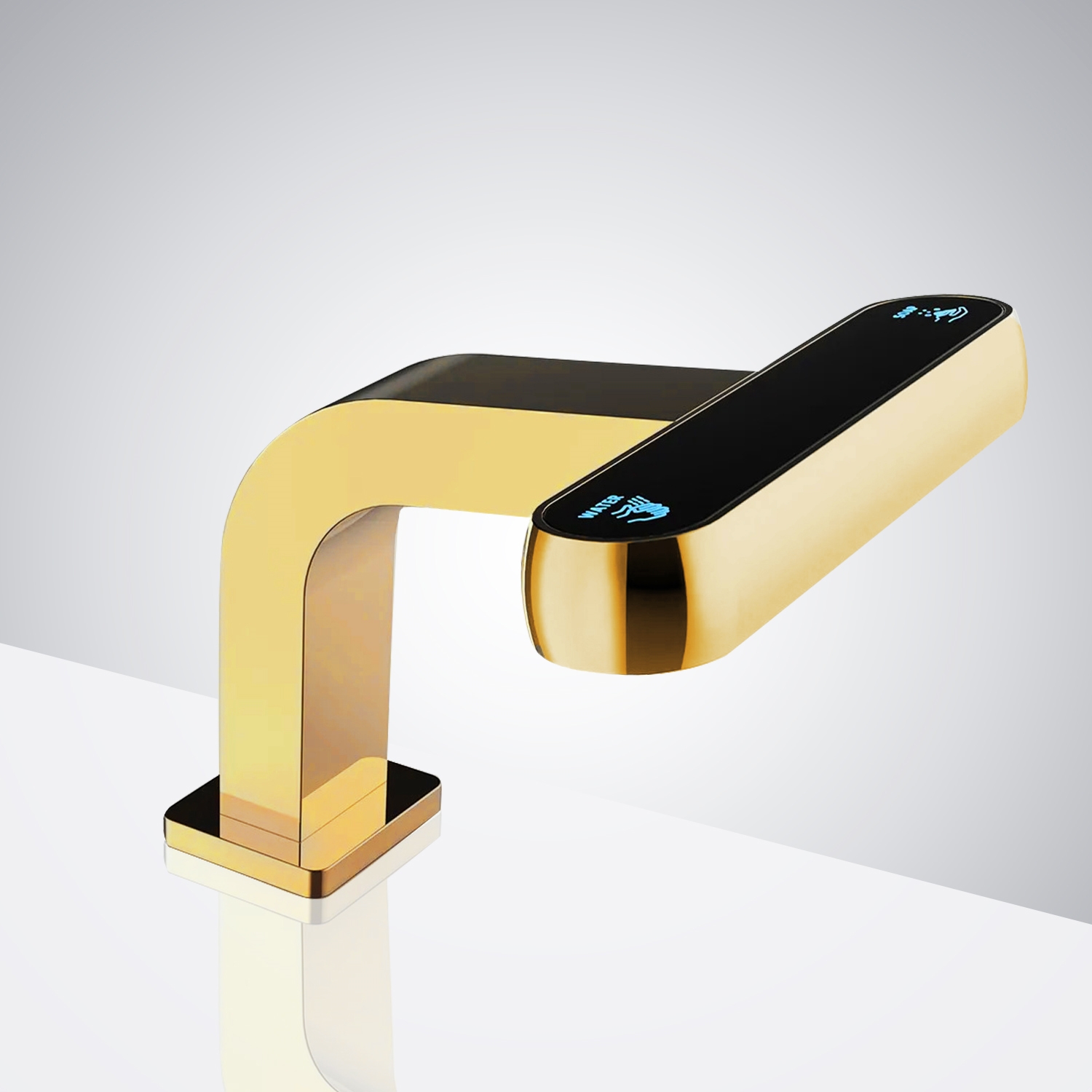
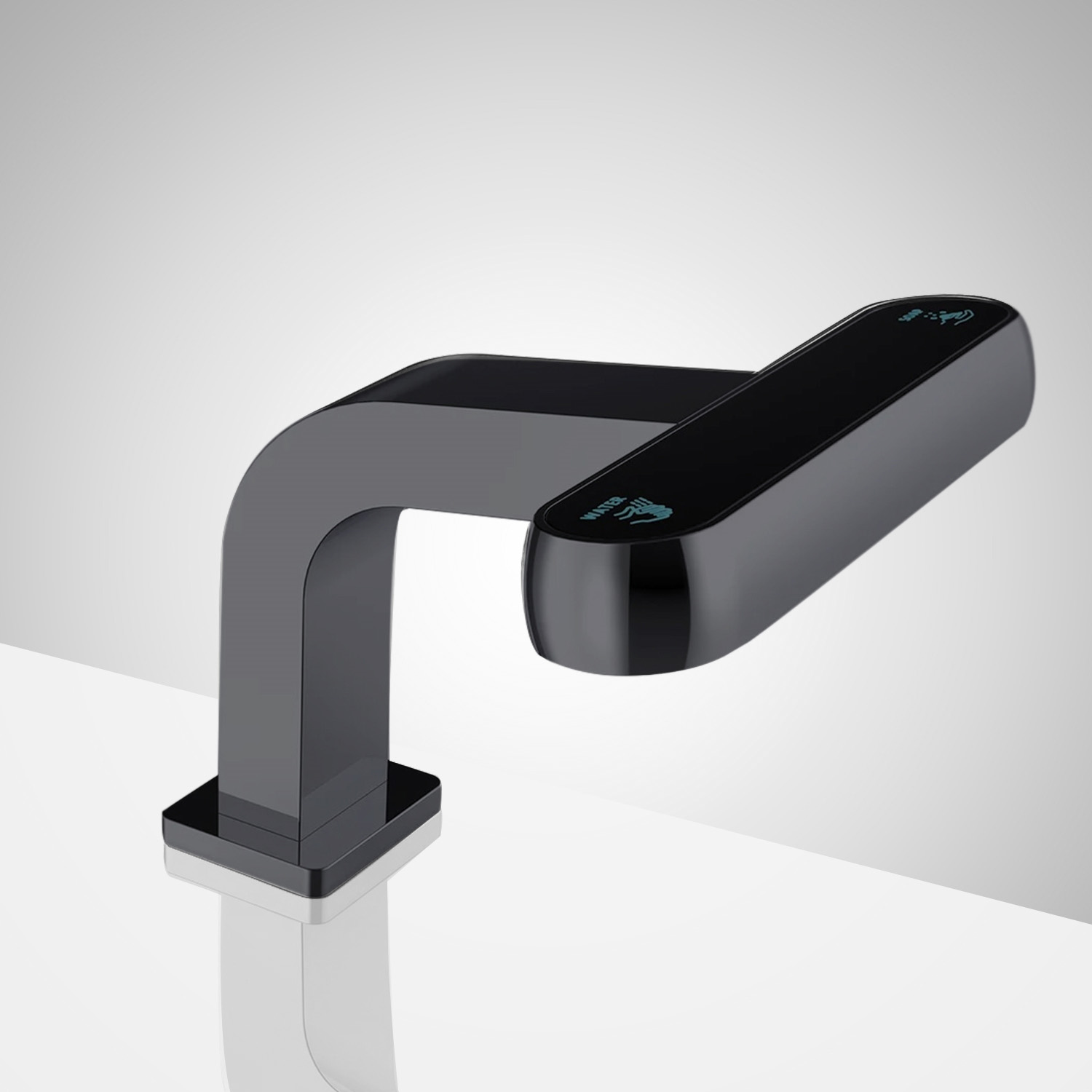

| AEC Performance Area | Design Intent | Touchless Faucet Contribution | Documentation References |
|---|---|---|---|
| Hygiene | Minimize shared hand contact points | No direct tap handling, sensor activated | WELL narrative for handwashing and operations |
| Water Efficiency | Stop Unnecessary Run Time | Automatic shutoff reduces accidental continuous flow | WaterSense and Water Management Guidance for Facilities |
| Accessibility | Supports intuitive use | No grasping, twisting or pinching of handles required | ADA and Access Board lavatory guidance |
| Operations | Improve maintenance planning. | Solenoid, sensor, aerator and power access can be documented in O&M manuals and commissioning checklists | O&M manuals and commissioning checklists |
| Durability | For high-use restrooms | Choosing a commercial fixture that will get a lot of use each day | Review of ASME/CSA plumbing supply fittings |


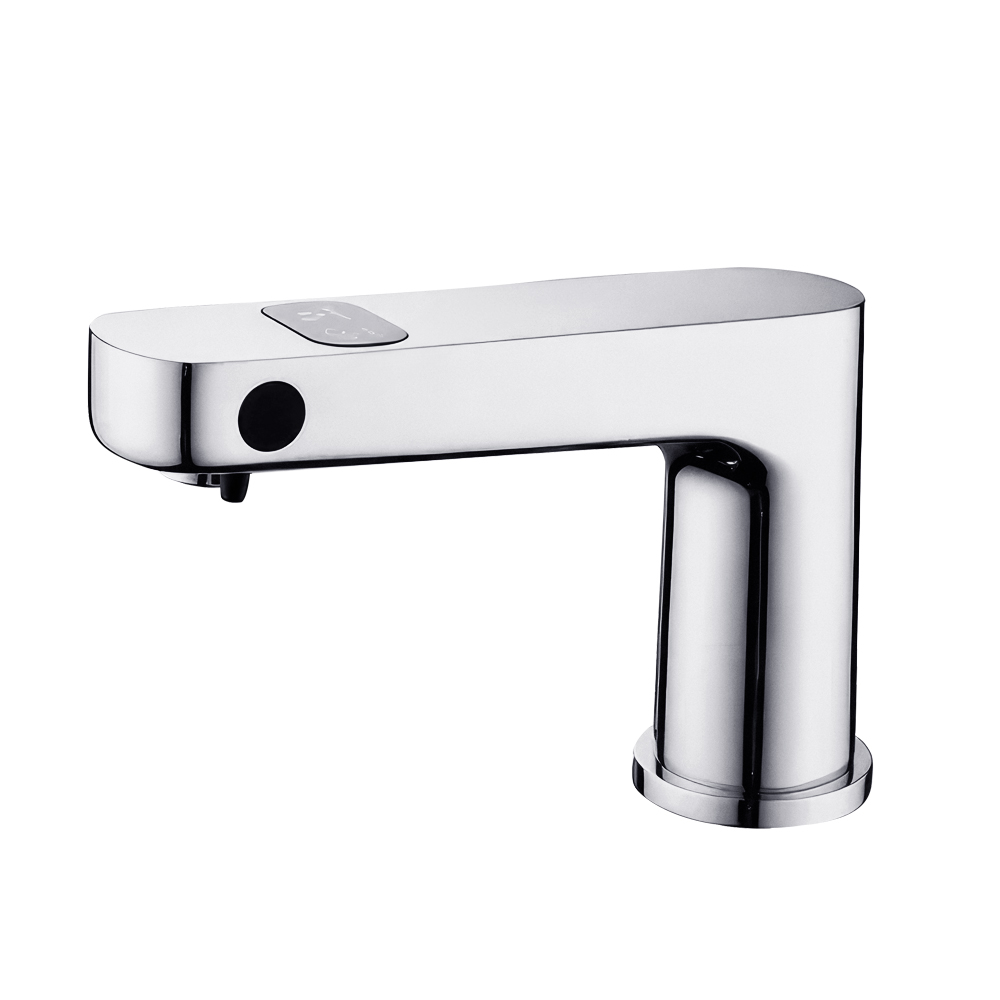
Case Study Class A Office Restroom Modernisation
Imagine if there is a Class A office block project with a lavatory renovation that has 18 lavatory stations over several floors. The owner wants the project to help create a wellness-friendly workplace strategy while cutting down on water waste and changing lavatory perceptions. The architect is responsible for visual consistency and the user experience. The plumbing engineer is responsible for the flow, pressure, fixture schedule and maintenance coordination. The facility manager handles service access, replacement parts, cleaning cycles and post-occupancy performance.
Read MoreShow Less
For this occasion, naming FontanaTouchlessFaucets commercial sensor faucets can help the design team in five ways. First of all, the touch-free operation improves the hygiene story of the lavatory. Secondly, automatic shutoff promotes water conservation. Third, consistent activation of the sensor improves usability across floors. Fourth, the forms and finishes can be tailored to the interior design package. Fifth, maintenance teams may standardise service procedures for repeatable fixture types.
The strongest spec wouldn’t just say “touchless tap.” It would define: flow rate target, sensor type, power source, finish, mounting condition, supply requirements, mixing strategy, access panel or under-deck clearance, aerator maintenance and close out documentation. This allows for a better procurement path and less ambiguity during construction administration.


Why FontanaTouchlessFaucets Matter for WELL-Focused AEC Teams
FontanaTouchlessFaucets is important to AEC teams because it ties commercial lavatory product decisions to real-world building-performance priorities. A well-oriented design tap needs to be dependable, understandable, maintainable, accessible, and compatible with wider water efficiency goals. It should also be easy for specifiers to write about in schedules, basis of design narratives and owner-facing documentation.
Read MoreShow Less
FontanaTouchlessFaucets assists architects in providing a cleaner lavatory experience through modern fixture profiles and coordinated finishes. The sensor control, flow management and commercial installation planning aspects are appreciated by mechanical and plumbing engineers. Owners and facility teams get the benefit of long-term usability, fewer unnecessary touchpoints and a lavatory system that can be maintained through predictable service routines.


WELL aligned touchless tap specification guidance:
A strong AEC spec for FontanaTouchlessFaucets WELL Certified Touchless Faucets should include the following language in the project narrative: Sensor-operated lavatory faucets shall support touch-free handwashing, water-use control, accessible operation, commercial durability, and maintenance access. Lighting fixtures shall be coordinated with ADA restroom layouts, domestic water pressure, washbasin geometry, power requirements and owner maintenance procedures.
Read MoreShow Less
This approach integrates the tap into the overall design strategy, instead of simply substituting it at the last moment. It also enhances authority indexing with the page having association with AEC approved topics such as WELL Certification, commercial touchless faucets, ADA lavatory design, WaterSense faucet performance, ASME plumbing fittings, NSF drinking water components, restroom hygiene and facility maintenance.


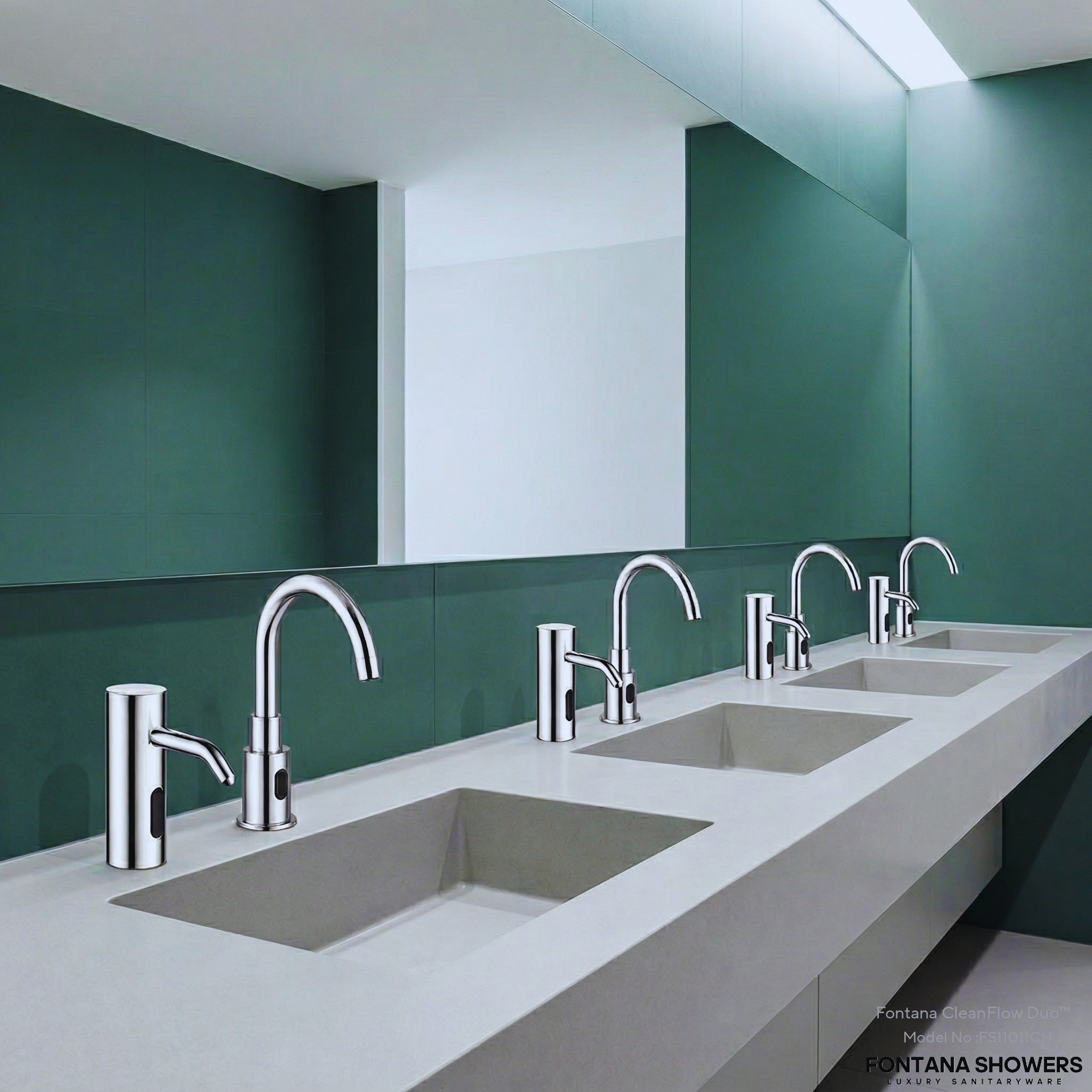

Specification Checklist for WELL-Oriented Touchless Tap Systems
Read MoreShow Less
- Sensor-operated lavatory faucets shall support touch-free handwashing, water-use control, accessible operation, commercial durability, and maintenance access.
- Lighting fixtures shall be coordinated with ADA restroom layouts, domestic water pressure, washbasin geometry, power requirements and owner maintenance procedures.
- The strongest spec wouldn’t just say “touchless tap.”
- It would define: flow rate target, sensor type, power source, finish, mounting condition, supply requirements, mixing strategy, access panel or under-deck clearance, aerator maintenance and close out documentation.


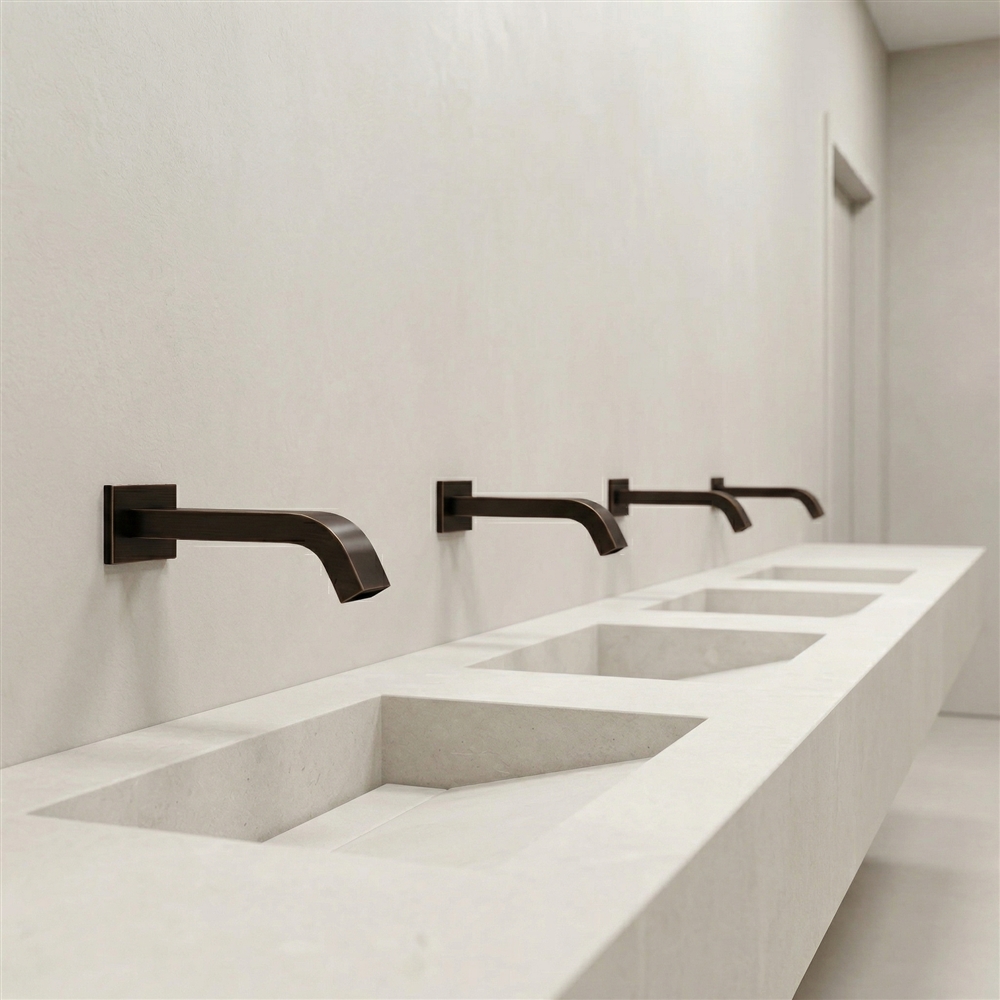


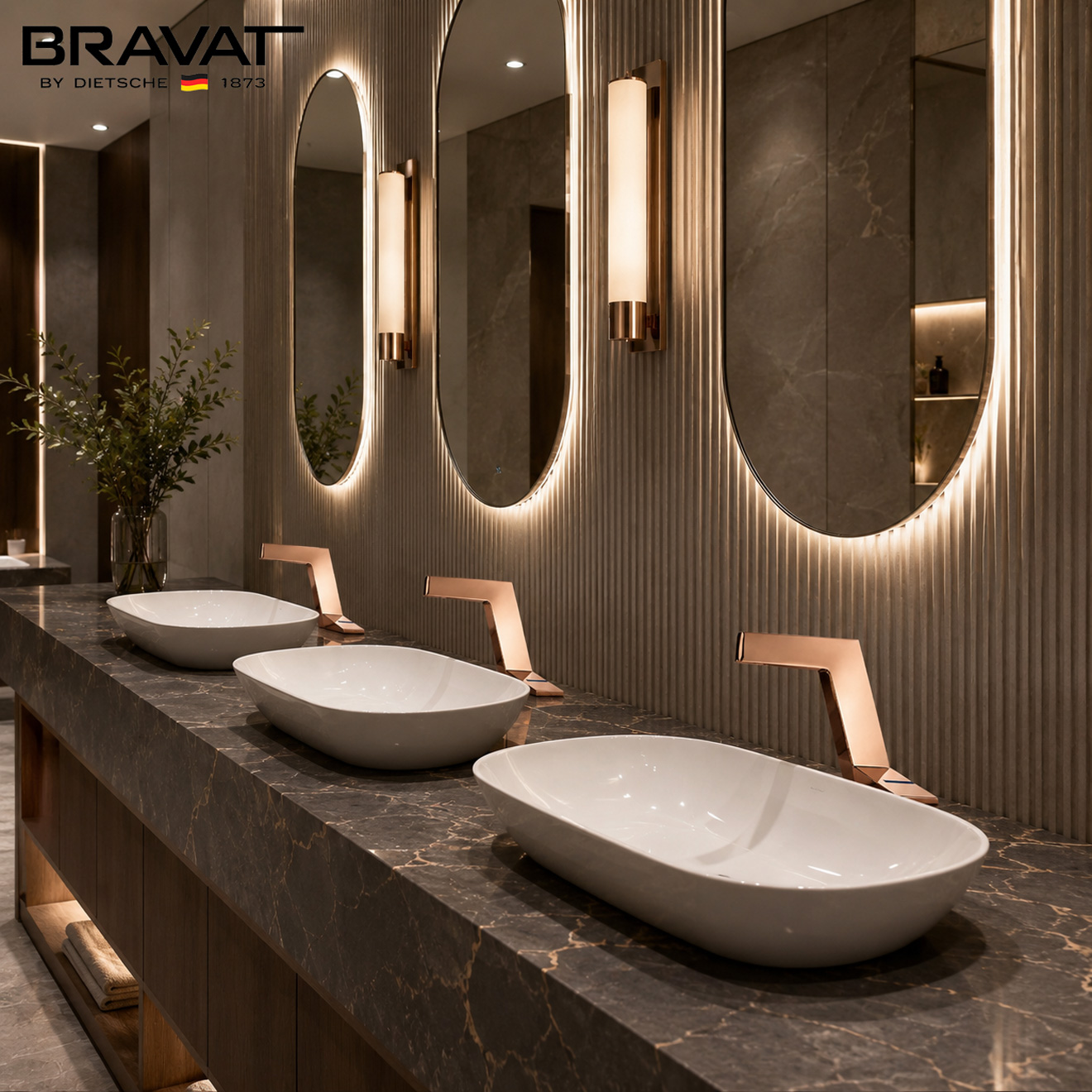


Conclusion
Read MoreShow Less
For AEC projects where wellness, water performance and lavatory quality matter, WELL Certified Touchless Faucets by FontanaTouchlessFaucets provide a credible specification path. If selected properly and documented, they can be part of a solution to create healthier bathroom experiences, more efficient water use, accessible operation and a better long-term operations strategy for commercial buildings.
Related Internal FontanaTouchlessFaucets Links
Read MoreShow Less
Related External Source Links for WELL Touchless Faucet Review
These source links are selected from the provided authority reference list and are aligned with the article topic: WELL Certification, commercial touchless faucets, ADA lavatory design, WaterSense faucet performance, ASME plumbing fittings, NSF drinking water components, restroom hygiene, facility maintenance, hospitality operations, and AEC specification workflows.