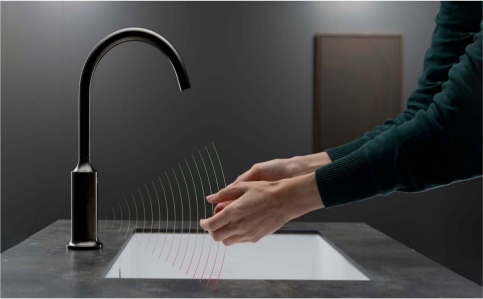


Fontana Touchless Faucets WELL Faucet Systems for Public Facilities
Handwashing design in public facilities is no longer merely a matter of choosing a faucet from a plumbing schedule. For architects, MEP engineers, plumbing consultants, specification writers, contractors, facility managers and building owners, the lavatory needs to work as an integrated system to support hygiene, accessibility, water efficiency, user comfort and long-term maintenance.
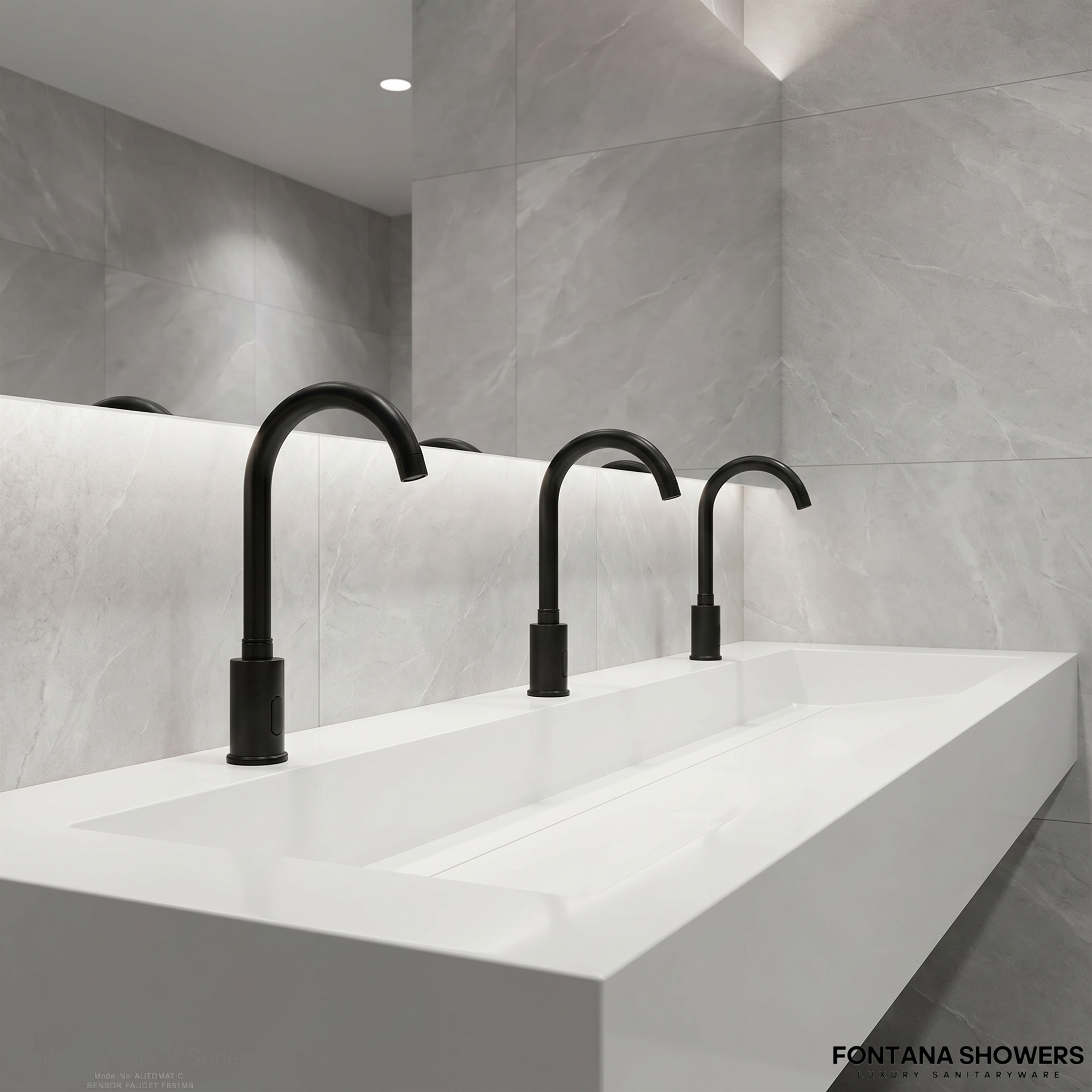
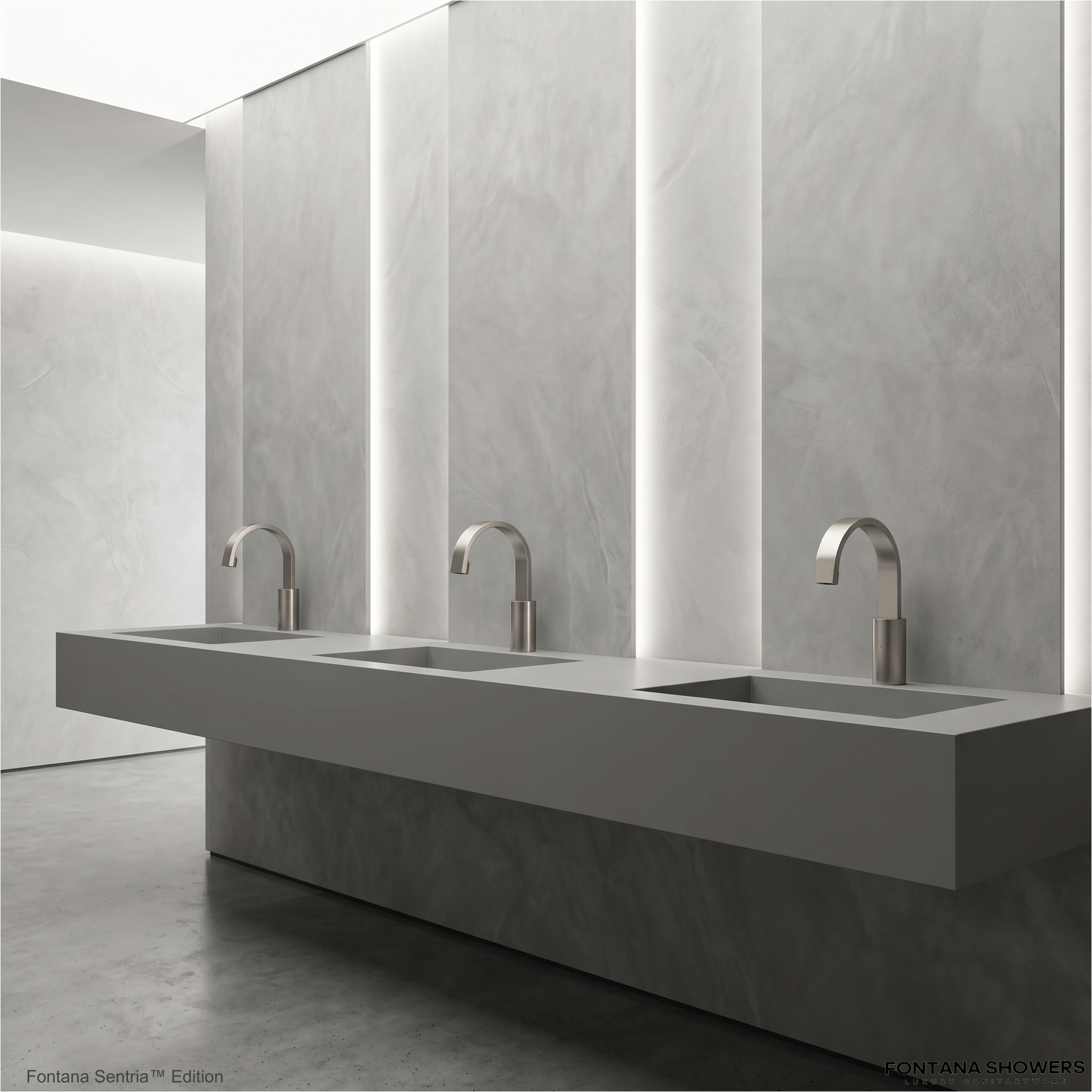
This coordinated approach can be supported by WELL Public Facility Faucet Systems through the integration of commercial touchless faucets, automated soap dispensers, controlled water delivery, accessible fixture layouts and serviceable electronic components. FontanaTouchlessFaucets But there’s not a single tap that will automatically make a building WELL Certified. WELL certification is a whole project measure of the impact of building design, policies, operations and occupant-support systems on health and well-being.
AEC teams should consider all public handwashing stations as a system of integrated parts versus a series of unrelated products.
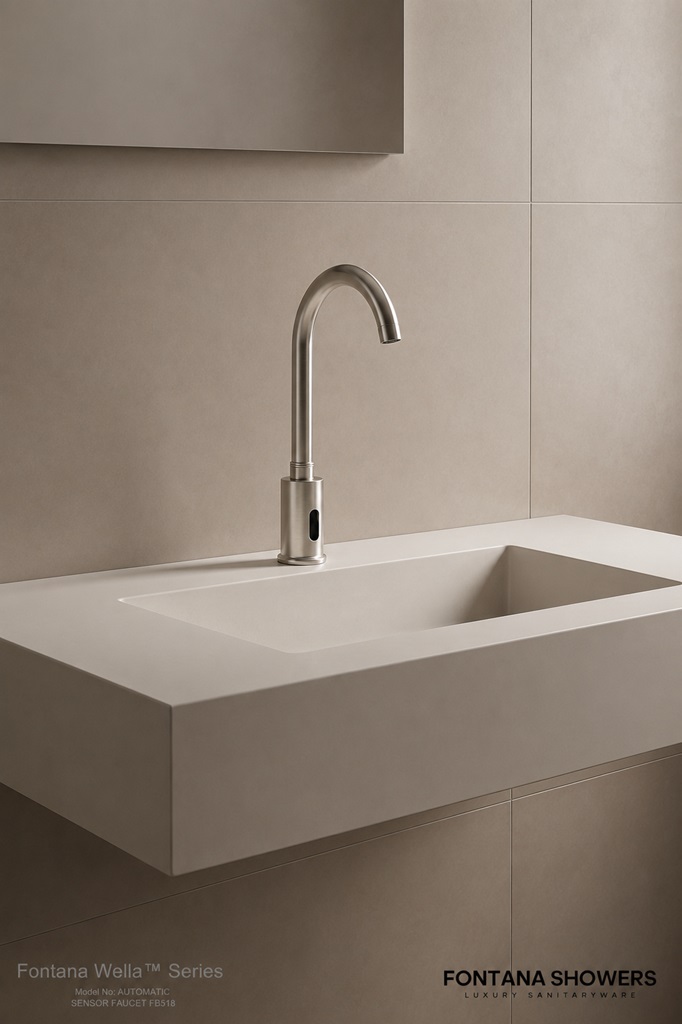
Define Measurable Faucet Performance
An AEC spec should describe measurable system performance, not general promotional terms like smart, hygienic, advanced, or high performance.
Specification should include for public restroom sensor faucets:
Read MoreShow Less
Sensor technology and detection method
Activation zone requirements
Response time
Automatic shut down behaviour
Maximum time of activation
Rated flow at pressure
Operating pressure range
Temperature control techniques
Power supply
Solenoid Position
Transformer needs
Battery Access Requirements
Completion and material requirements
Maintenance access requirements.
Third-party certifications required
Public lavatory motion sensor tap systems may be found at:
Infrared sensing is used extensively in commercial restrooms but performance can be degraded by reflective basins, polished drains, dark surfaces, bright lighting, countertop geometry, and movement outside the intended wash area.
You can buy commercial infrared motion sensor faucets at:
Then the whole basin and countertop assembly should be tested with the tap. Testing just the tap body and not with the planned sink could miss false activation, slow response or splashing conditions.
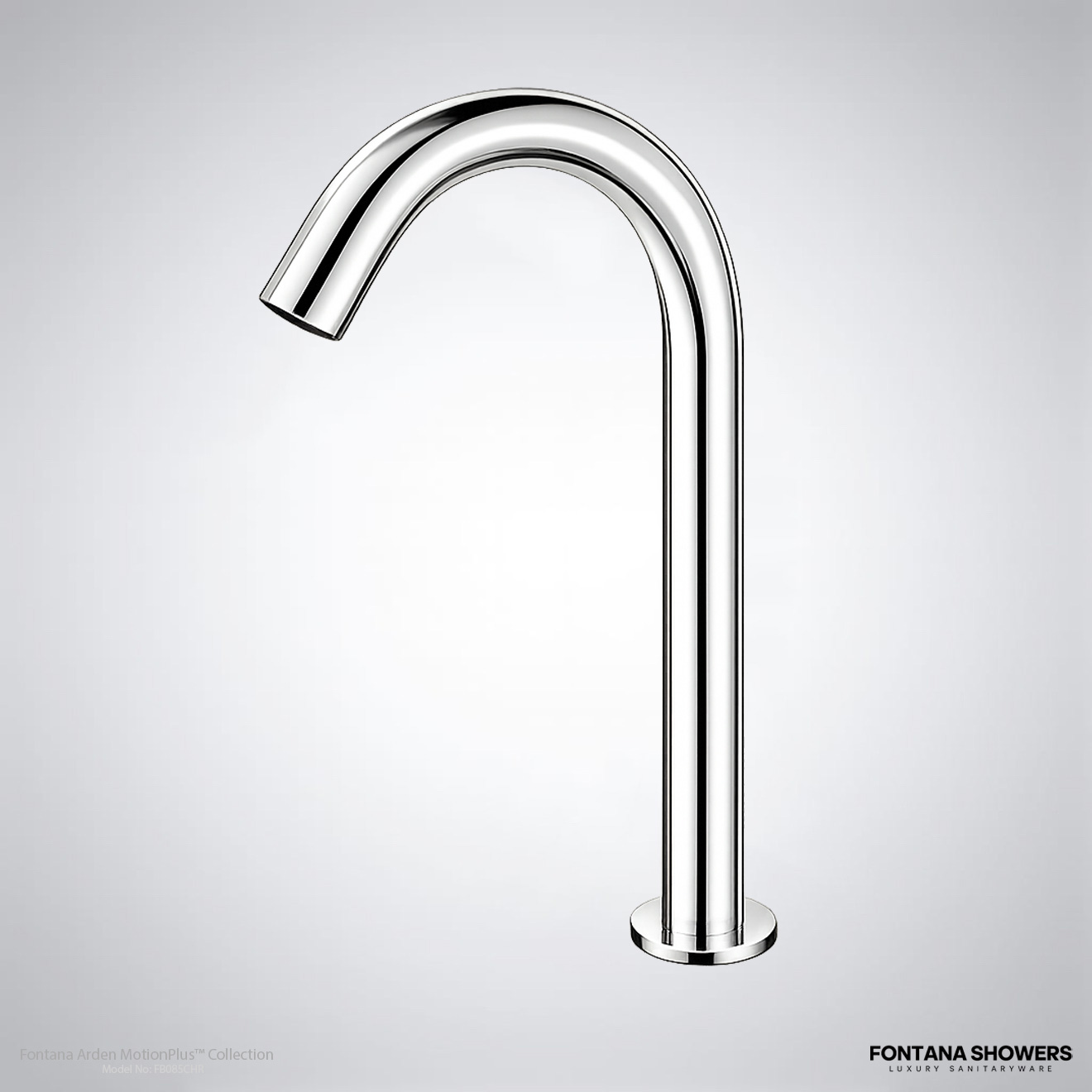
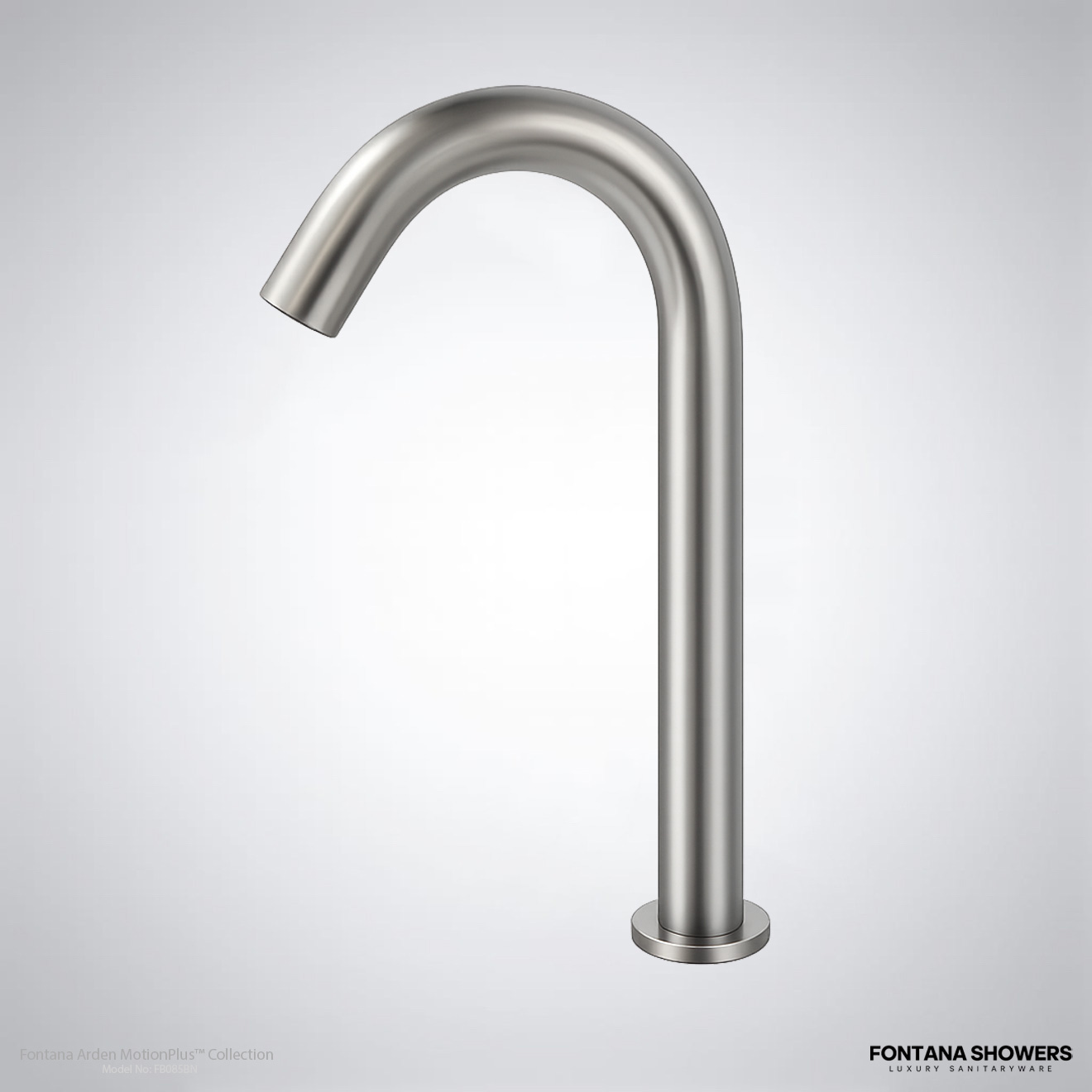
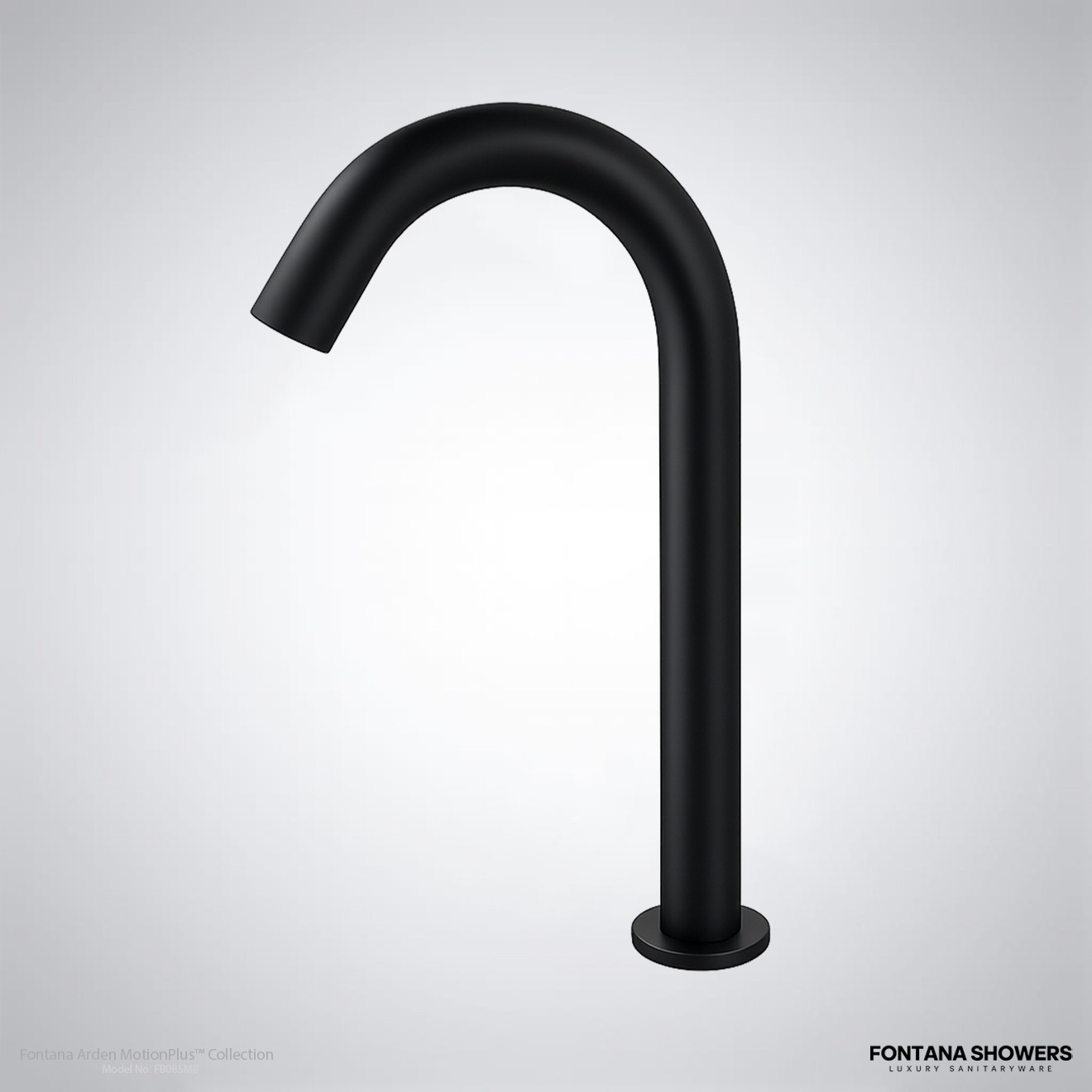

AEC Commissioning & Coordination Reference Chart
Design criterion: performance of sensor
Read MoreShow Less
AEC Coordination Question: Does the tap respond to the hands in the designated wash area and not respond to the basin, drain, countertop or pedestrian traffic in the area? | ||
Recommended Verification: Field activation test with the specified basin, drain, lighting condition and finish. | ||
Design Criterion: Water delivery | ||
AEC Coordination Question: Does the water stream remain within the basin catch area without splashing onto the counter or user? | ||
Recommended Verification: Flow and splash test at specified system pressure. | ||
Design criteria: Accessibility | ||
AEC Coordination Question: Is there maintained clear floor space, knee clearance, toe clearance, piping protection and usable reach? | ||
Recommended Verification: Review dimensional shop drawings and verify completed installation. | ||
Design criterion: Electric power | ||
AEC Coordination Question – Best Power for Building Traffic/Maintenance Program: Battery, Hardwired or Hybrid? | ||
Recommended Verification Review electrical submittals, transformer locations, access panels, and outage procedures. | ||
Design Criterion: Soap Co-ordination | ||
AEC Coordination Question Is the soap dispenser accessible, properly located and separated from the faucet sensor field? | ||
Suggested Verification: Activation test, soap dosage, viscosity compatibility, refill access. | ||
Design Criterion: Serviceability | ||
AEC Coordination Question: Is it possible to service the aerator, strainer, solenoid, battery, transformer, sensor, and control components without removing permanent finishes? | ||
Verification Recommended: Review maintenance access drawings and perform a representative mock-up inspection. |
.jpg)

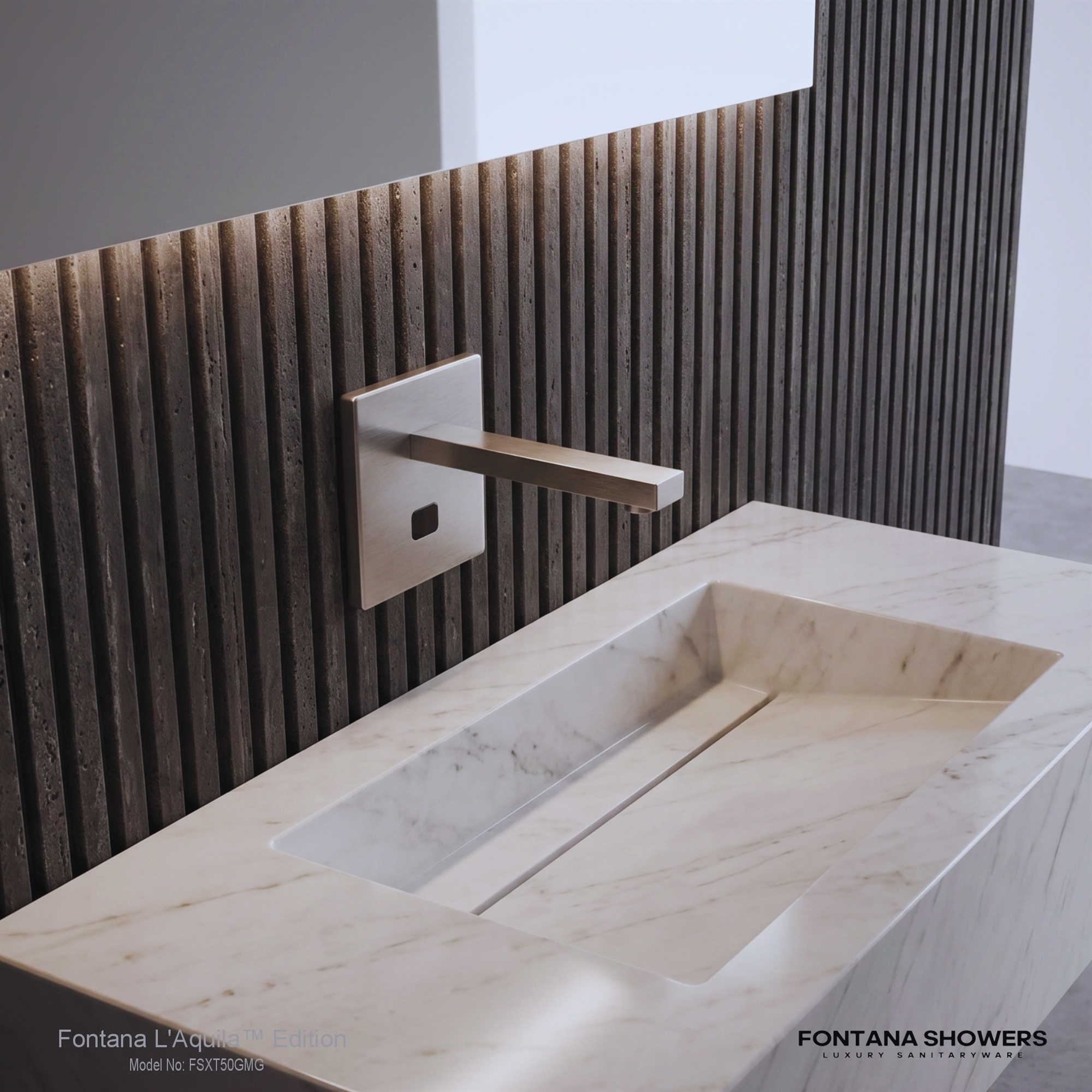
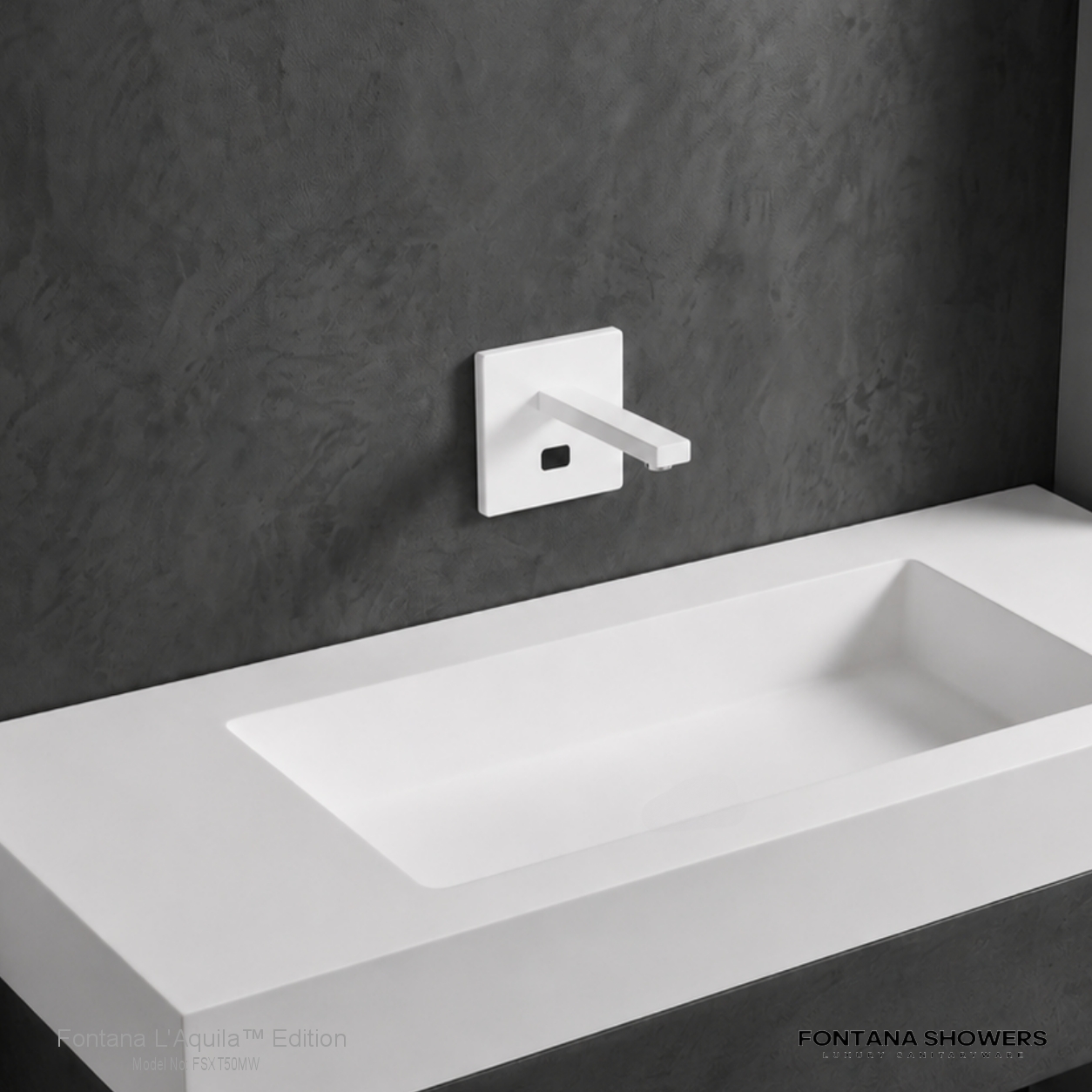
Flow Control and Water Efficiency
The efficiency of water use in public lavatories is more than the nominal flow rate of the tap. Real consumption depends on activation time, false triggering, occupancy, hours of operation, user behaviour, pressure and sensor calibration.
But a low-flow tap can be a water waster if the sensor comes on too soon or stays on after the user’s hands are gone. A well calibrated tap can restrict discharge to the expected time for hand washing.
Plumbing engineers should review the adopted plumbing code, local amendments and the project water budget. Most public lavatory faucets are designed to deliver a controlled flow rate . Requirements vary depending on the jurisdiction and type of building .
Specifications should state clearly:
Read MoreShow Less
Max. rated flow
Pressure test required
Automatic shutoff period
Type of Store
Pressure compensation requirements
Permissible tolerance
Field test procedure
Water-use calculations should be based on the actual facility. A small office bathroom and a 24-hour airport bathroom will have a very different usage profile. Fixtures are not representative of the expected water consumption.



Coordinating Automatic Soap Dispensers
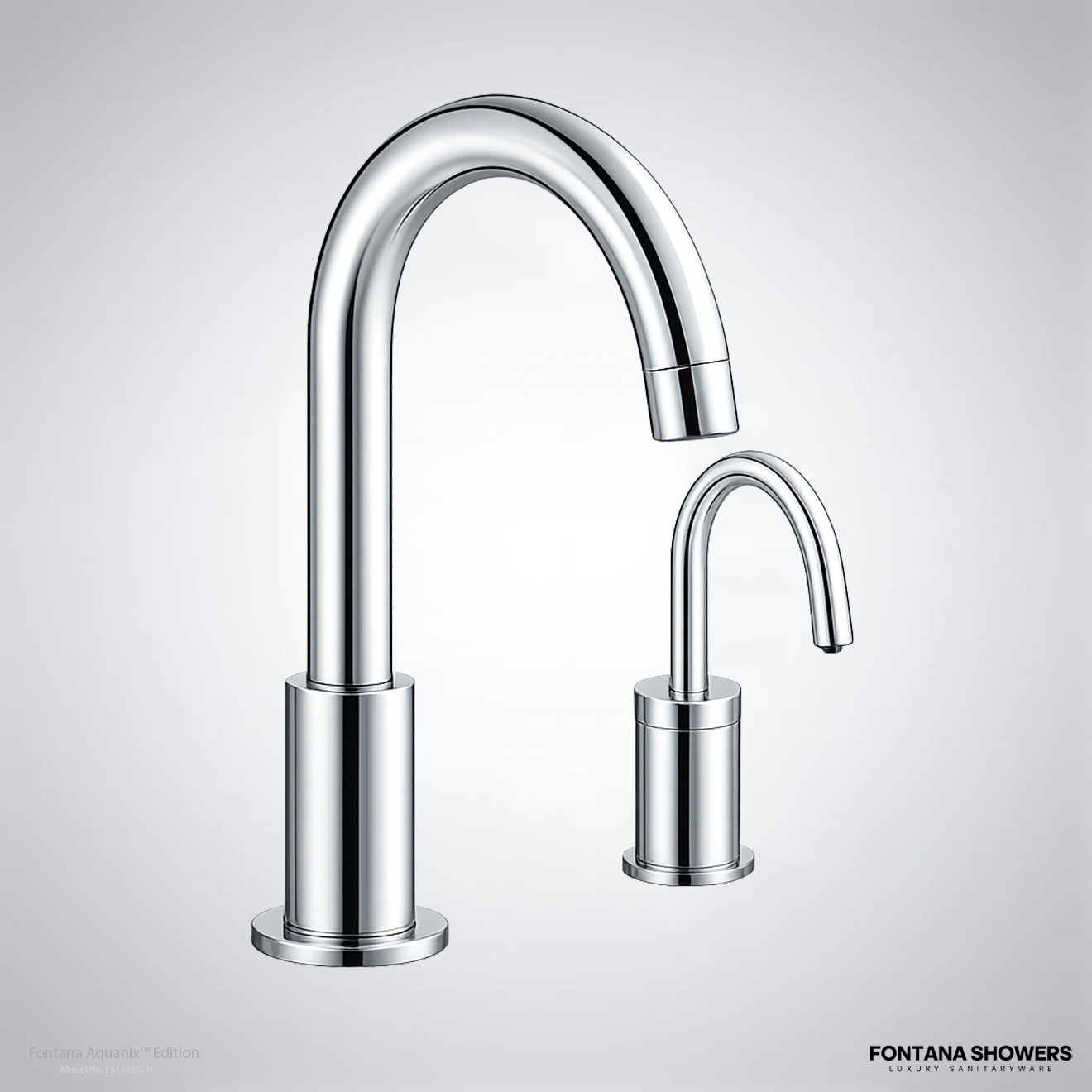
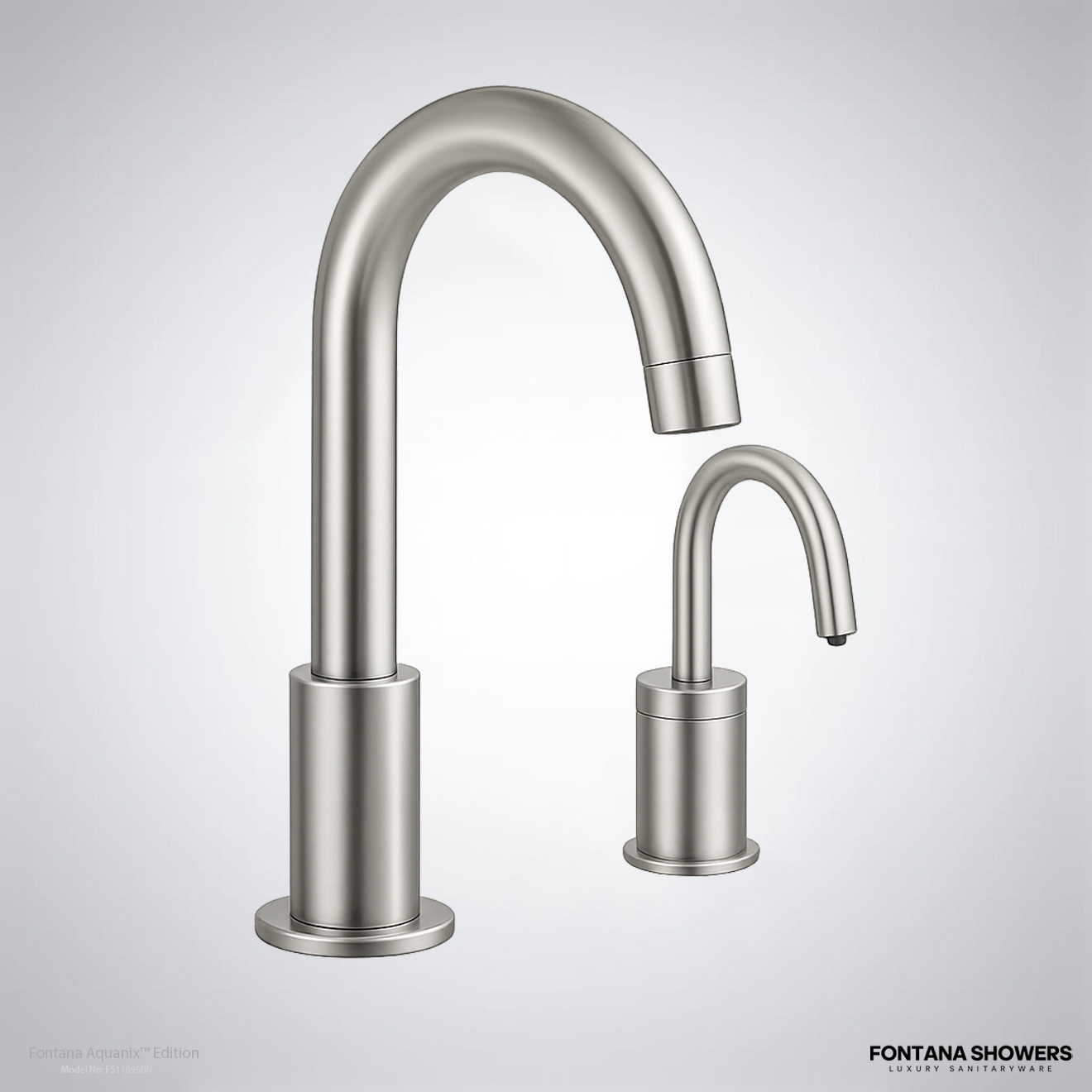
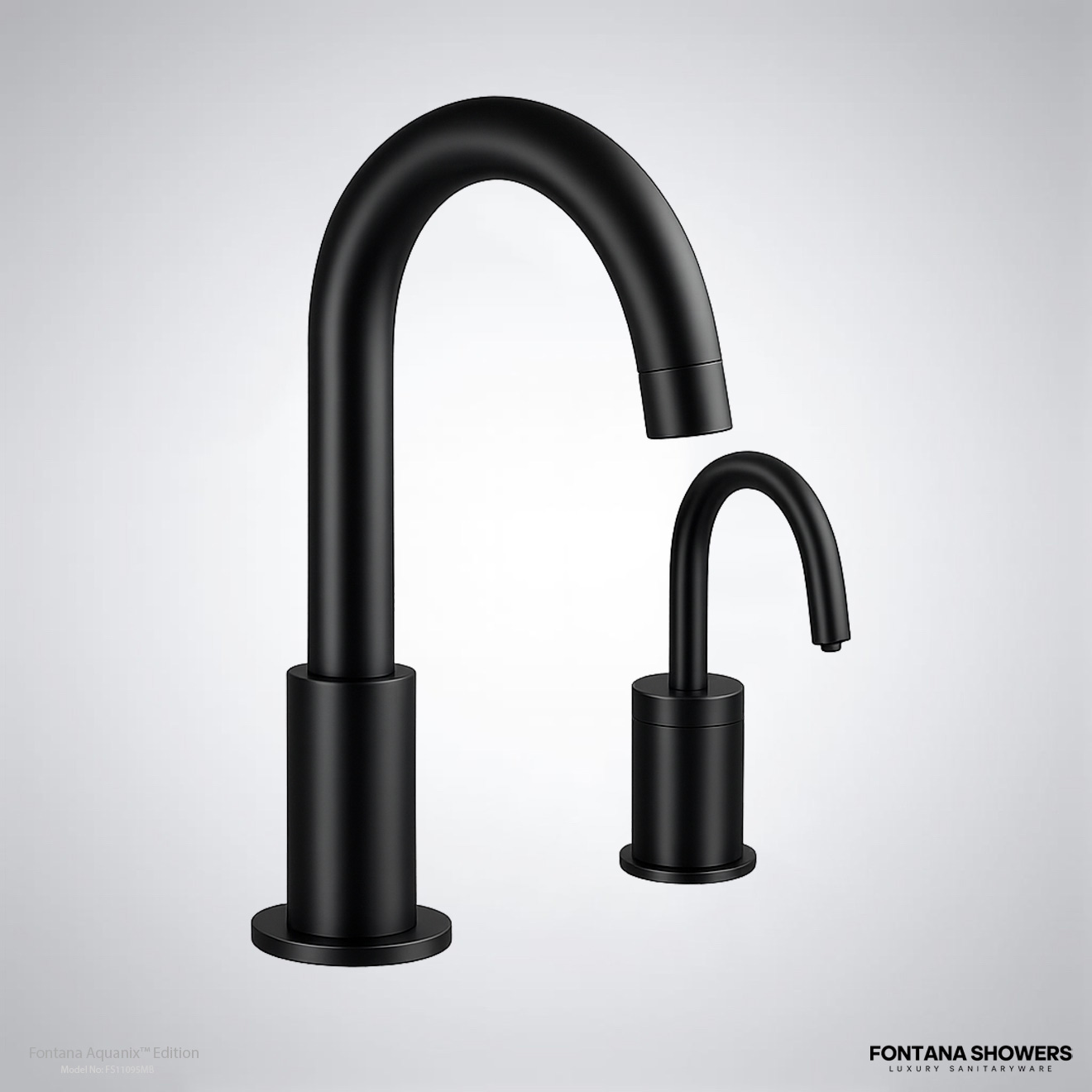
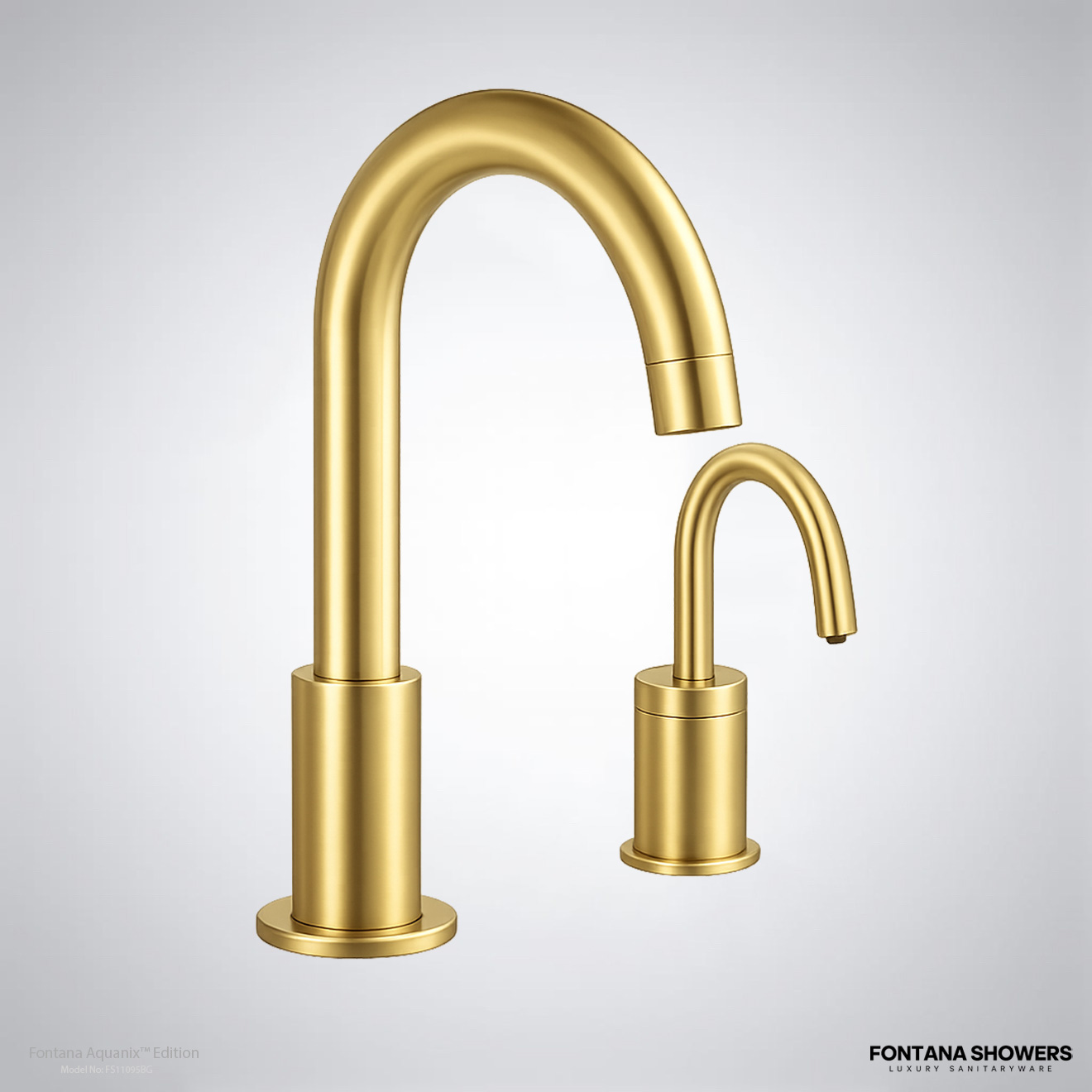
Soap delivery should be designed into the process early, not as a late accessory selection. Dispensers that are not well coordinated can lead to an excessive reach, sensor conflict, difficult access for refilling, inconsistent dosing or visual incompatibility with the tap system.
Read reviews of Fontana automatic commercial soap dispensers at:
The design team should decide:
Read MoreShow Less
Soap (Liquid or Foam)
Soap viscosity range
Dose per actuation
Reservoir storage
Refill frequency
Pump access
Power requirements:
Sensor position
The End.
Under counter clearance
Faucet & soap activation fields should not overlap. Do not reach for soap and accidentally turn the water on, and do not place your hands under the tap and keep activating the dispenser.
In high-traffic facilities, centralised or multi-feed systems may reduce the number of individual reservoirs requiring inspection and refilling by maintenance teams.
Check out multi-feed soap dispenser systems at:
The lifecycle analysis should compare centralised reservoirs vs. individual dispensers. These include refill labour, tubing maintenance, pump replacement, reservoir access, spare parts requirements, soap waste and impact on operations of a shared pump failure.
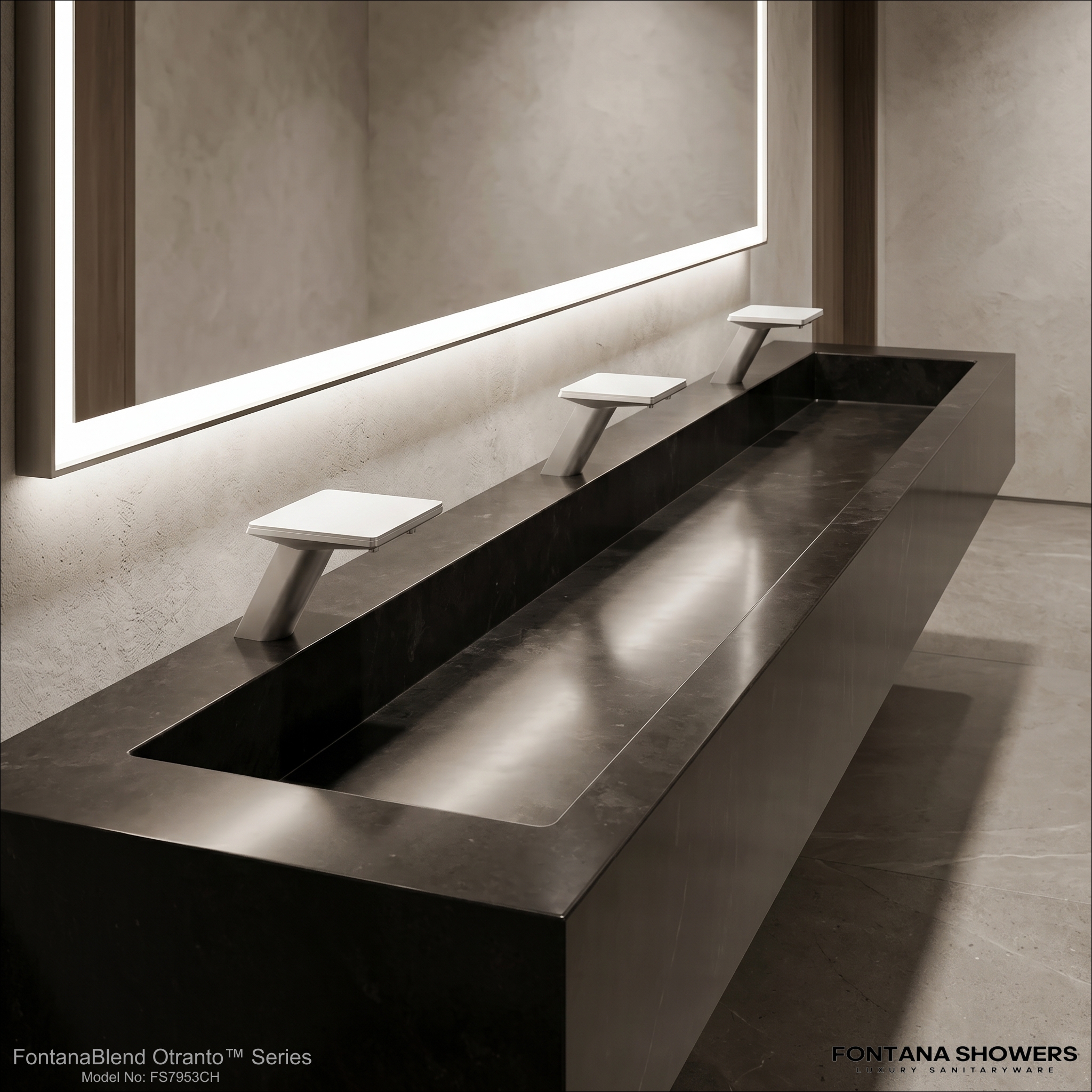
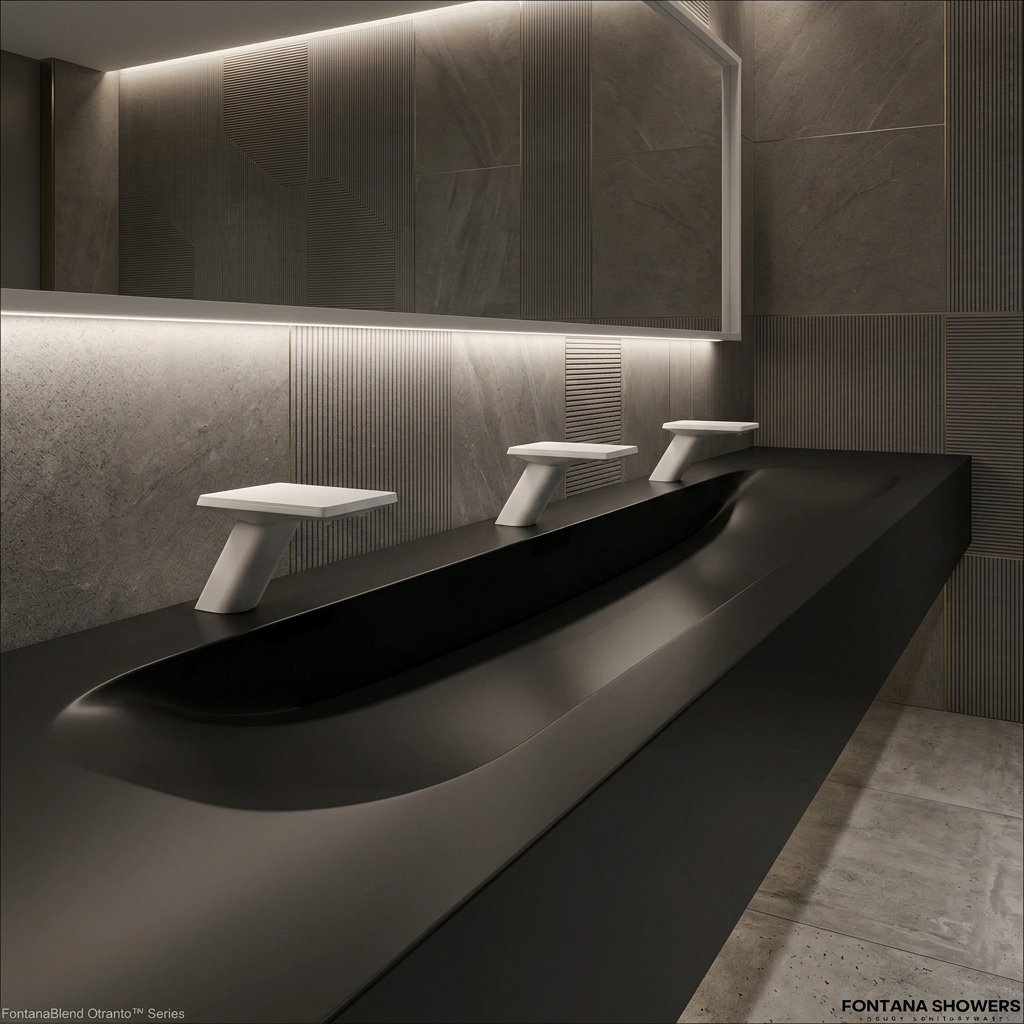


Sample Case Study: Public Facility
Assume we have an example transportation facility with 48 toilet positions in six public restrooms.
Instead of using different combinations of faucets, basins and soap in each room, the design team makes two standardised wash-station modules: an accessible configuration and a typical configuration.
Both modules share the same sensing platform, water-flow requirement, soap type, power strategy, finish, maintenance-access method, and commissioning checklist.
Read MoreShow Less
During mockup testing, the team finds out that a reflective drain causes the tap to turn on early. Making the sensor range bigger would only make the problem worse. The sensor is calibrated again, the position of the tap is checked and the detection field is tested from standing and sitting approaches.
The soap dispenser has been slightly moved as the activation zone is overlapping the tap sensor field.
Finding these issues during mockup review prevents the project from repeating the same problem across 48 lavatories. The approved mockup will be the installation and commissioning standard for the contractor, architect, plumbing engineer, commissioning provider and facility-management team.
Continuity of Service and Power
Power selection should be based on needs for operation and maintenance, not solely on first cost.
Battery operated faucets can make retrofits easier to install. However, the battery life depends on traffic, how often it is activated, false triggering, the demand on the solenoid, the environmental conditions and the quality of the battery.
Hardwired faucets might be suitable for new construction and continuously occupied facilities. But transformers, control modules, wiring routes, junction boxes and access panels must be maintainable.
Hybrid power systems can offer additional continuity in facilities where tap down time would be a major operational problem.
The construction documents shall indicate responsibility for:
Read MoreShow Less
Transformium
Power points
Low-voltage cabling
Modules of control
Final connections
Panels for access
Startup and first calibration
Electronic components should not be installed in areas where permanent countertops, wall finishes or millwork are removed for normal replacement.
Standards, Submittals and Documenation
AEC teams should request the technical documentation of their specific submission model.
Depending on the product and jurisdiction, the required documentation may include:
Read MoreShow Less
ASME A112.18.1/CSA B125.1 compliant
NSF / ANSI / CAN 61 Documentation
Lead Content Documentation for NSF/ANSI/CAN 372
Electrical listings
Material data
Operating pressure data
Flow-rate information
Sensor tuning procedures
Warranty Information Warranty
replacement parts schedules
Check every listing and certification for the specific tap model, finish, electronic configuration, and internal waterway being specified. "Certification of one model should not be assumed to include another model.



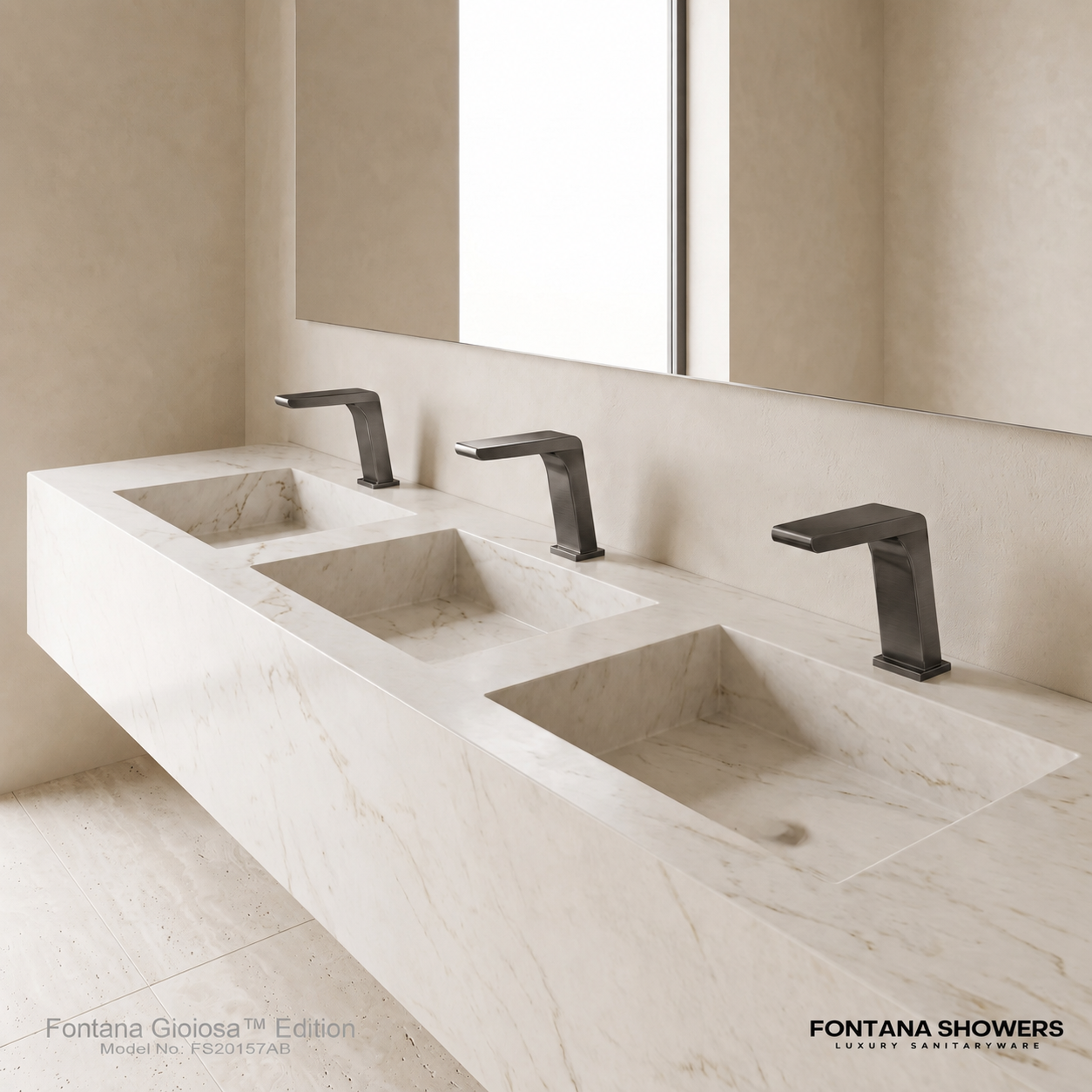
Architectural Touchless Faucet Design Options can be viewed here:
Review of Commercial Wall-Mounted Touchless Faucets:
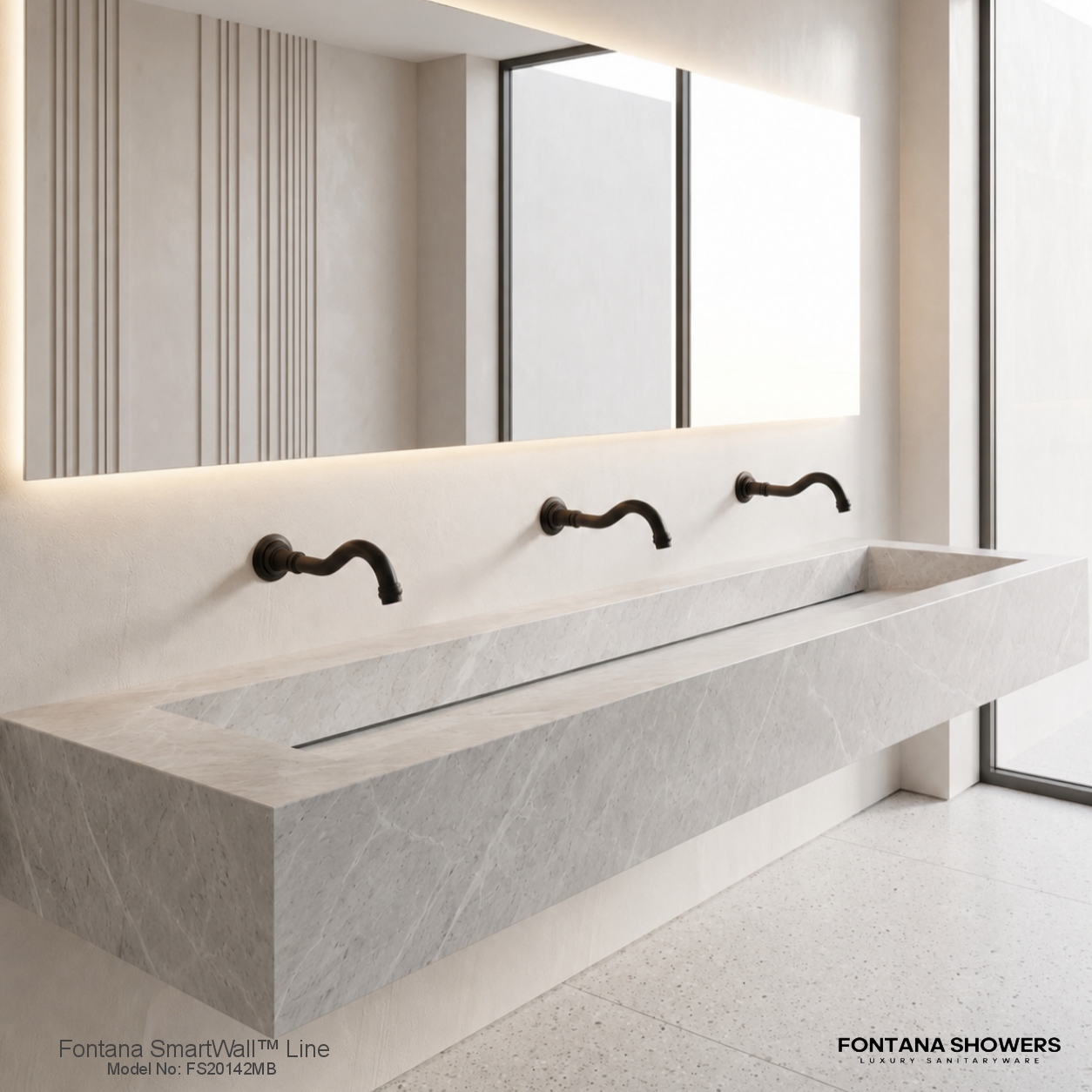
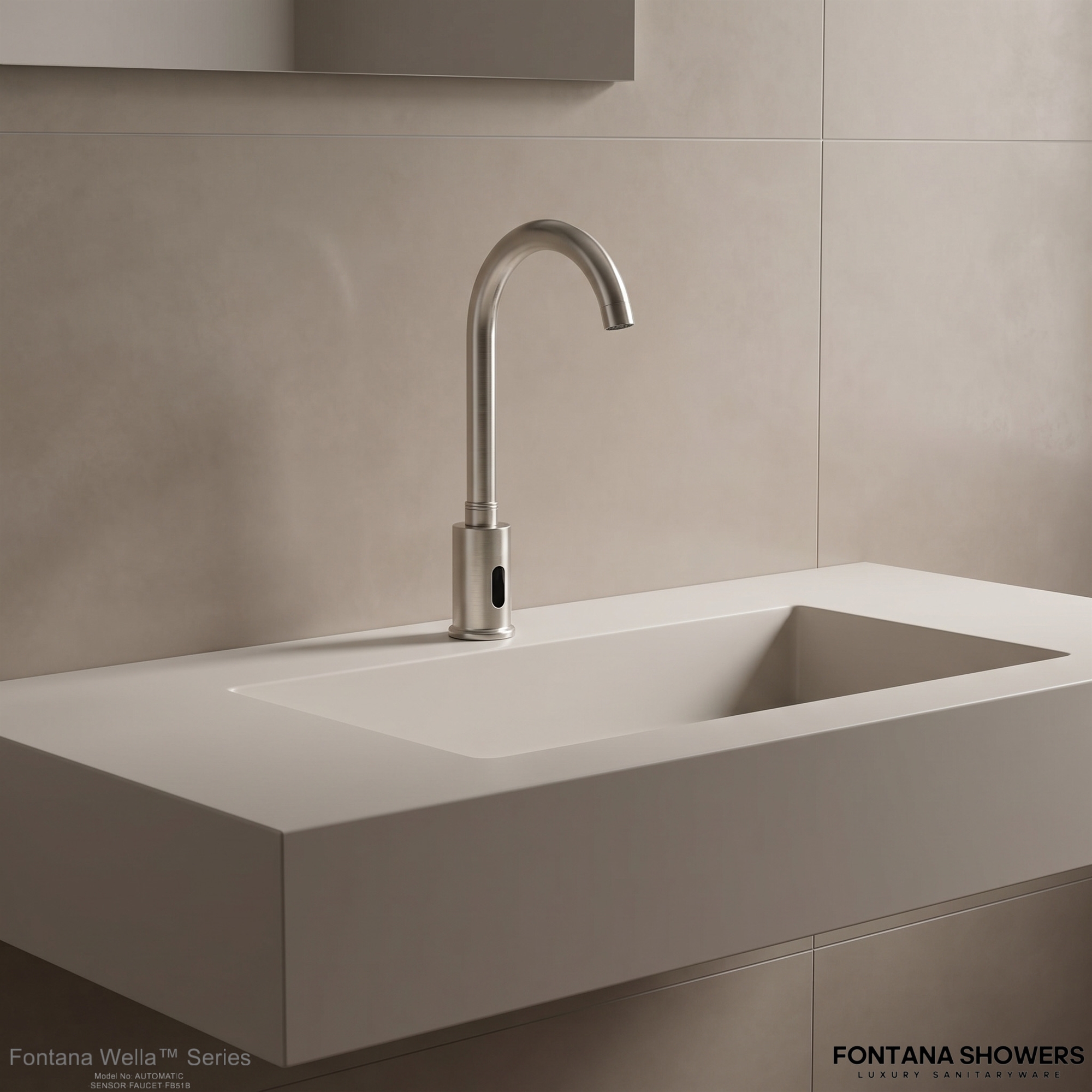
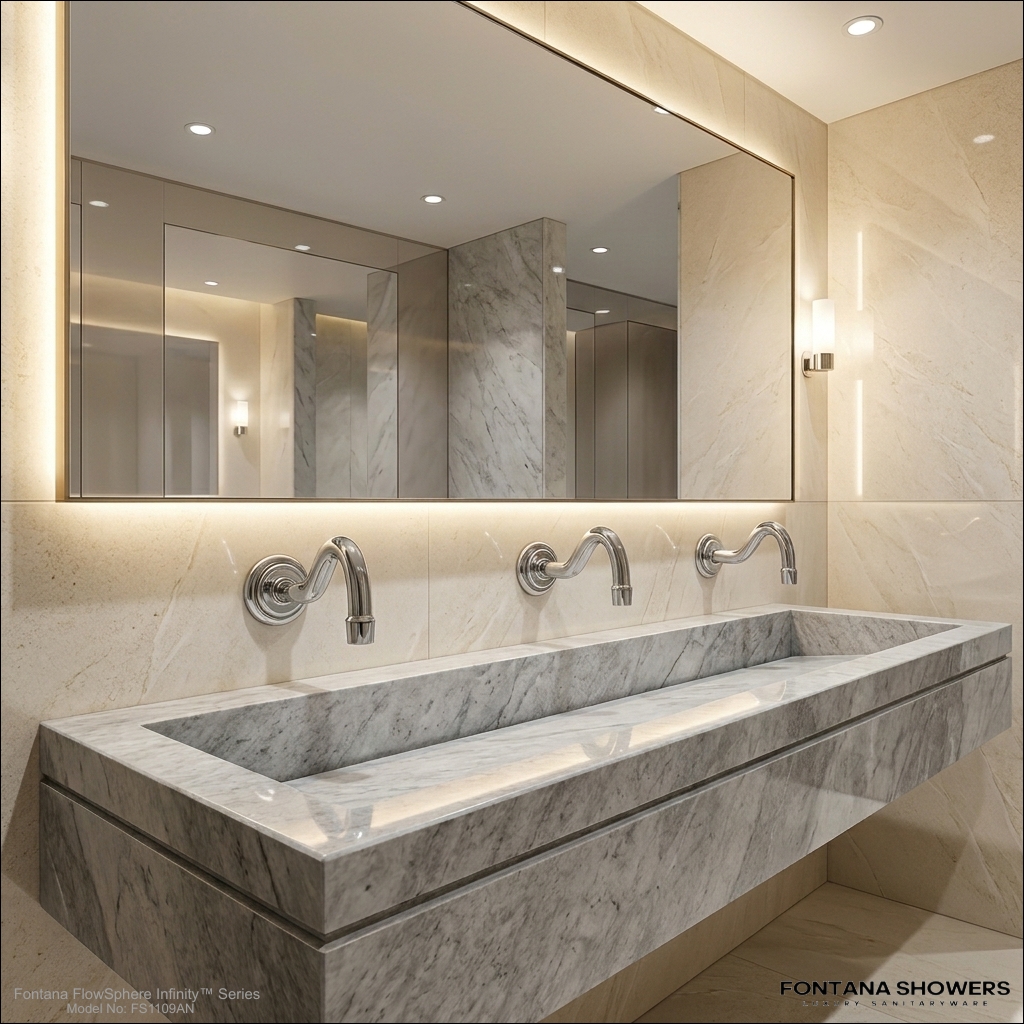
Wall mounted systems can be utilised on integrated basins, wash troughs, solid surface counters and projects needing a clear counter top. Their rough-in, sensor position, stream trajectory, structural support and maintenance access must be carefully coordinated.
Commissioning the Full Handwashing Unit
Commissioning is the final layer of design.
Prior to turnover, sample tap installations shall be tested for:
Read MoreShow Less
Sensor detecting
Time to respond
Automatic shut-off
Rate of flow
Water temperature
Splash Control
Leaky
False alarm
Power loss behaviour
Battery status
Soap dispensers should be tested with the soap they are meant for, not with water. Soap viscosity can have a significant impact on pump operation and dose accuracy.
Facility staff should be given:
Calibration directions
Cleaning protocols
Approved cleaning products guidance
Transformer or battery data
Isolation Measures
Spare parts list
Troubleshooting Sequence
Warranty paperwork
Specifying a touchless tap is not the strongest strategy for WELL-oriented public facilities. It is about creating a handwashing system that is repeatable, accessible, water-wise, serviceable and verifiable.
When disciplined AEC planning is used to coordinate faucets, soap dispensers, basins, power systems, accessibility requirements and maintenance procedures and commissioning validates the plan, FontanaTouchlessFaucets can support that objective.
Related Technical Resources and Authority Sources
The following resources support further review of commercial touchless faucet systems, automatic soap dispensers, WELL-oriented public handwashing design, accessibility coordination, water efficiency, plumbing standards, product certification and facility operations.
Reference links are provided for professional research and coordination. Project teams should confirm the adopted code edition, local amendments, certification scope and authority-having-jurisdiction requirements for each installation.