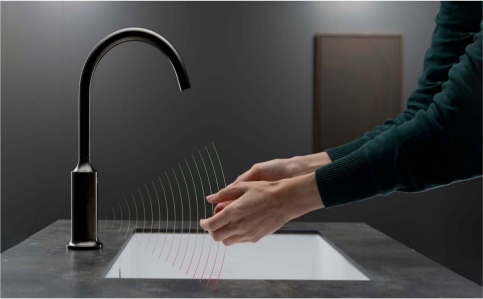


Fontana Touchless Faucets WELL Workplace Wellness Faucet Solutions
Wellness is becoming a feature of buildings, not an add-on policy after people move in. “For architects, MEP engineers, plumbing consultants, interior designers, specification writers, contractors and facility managers, the handwashing station is a small but very visible part of that strategy.”
A properly coordinated touchless tap system can support hygienic behaviours, accessibility, water efficiency, occupant confidence, and maintainable building operations. These objectives are consistent with the general purpose of the WELL Building Standard, which is to promote healthier and more supportive indoor environments.
Read MoreShow Less
So FontanaTouchlessFaucets WELL workplace wellness faucet solutions should be viewed as integrated plumbing assemblies – not just standalone decorative fixtures. A workplace lavatory operates correctly depending on sensor performance, tap geometry, water delivery, soap access, electrical requirements, service clearances, material compliance, and commissioning.

Touchless Faucet Design and WELL Goals
WELL handwashing guidance emphasises sanitary, accessible facilities with sinks, soap and hand-drying provisions readily available. A touchless tap alone does not achieve WELL certification, but it can help support a coordinated hand-hygiene environment by removing a common touch point in tap operation and making tap activation easier for a wider range of users.
Read MoreShow Less
The The best design response is not just to increase automation. It’s the evolution of a sensible hand-washing sequence, so that users can come into the lavatory, turn on the water, get soap, rinse their hands and use the drying equipment without clumsy reaches or unnecessary cross-traffic.

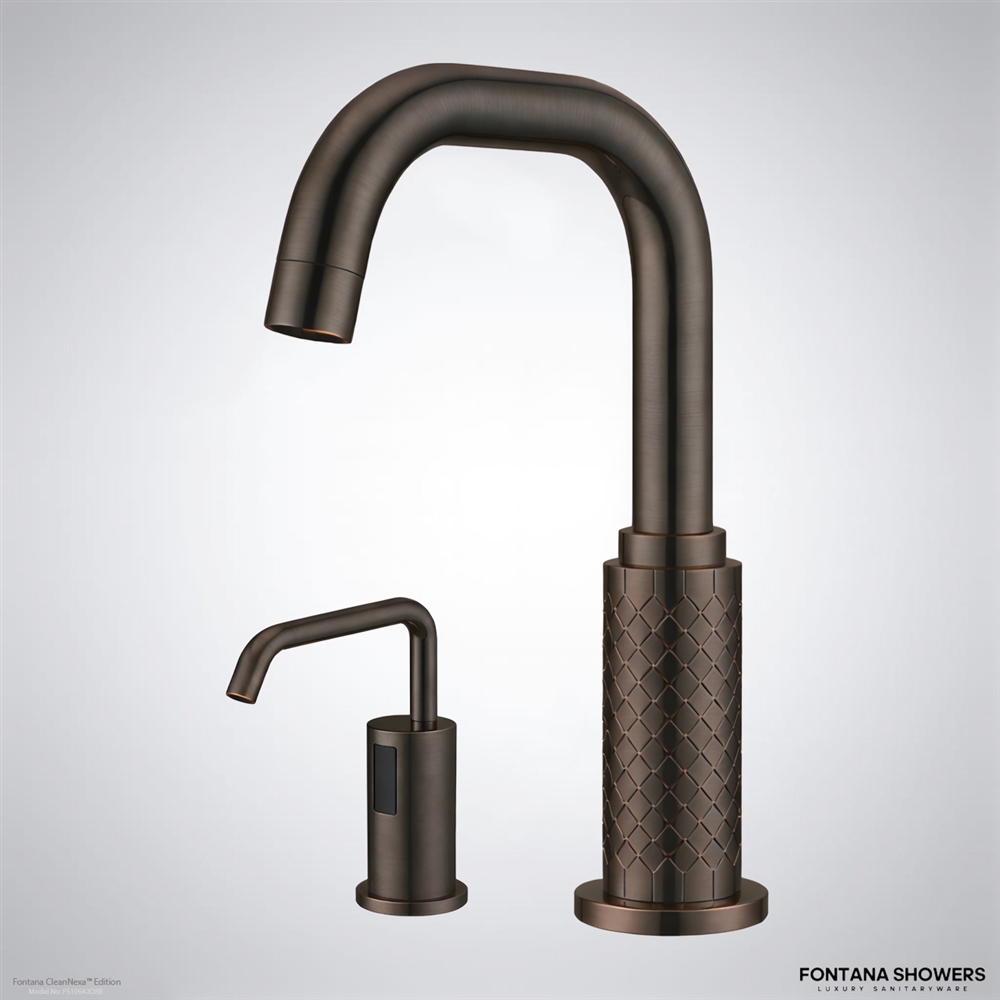
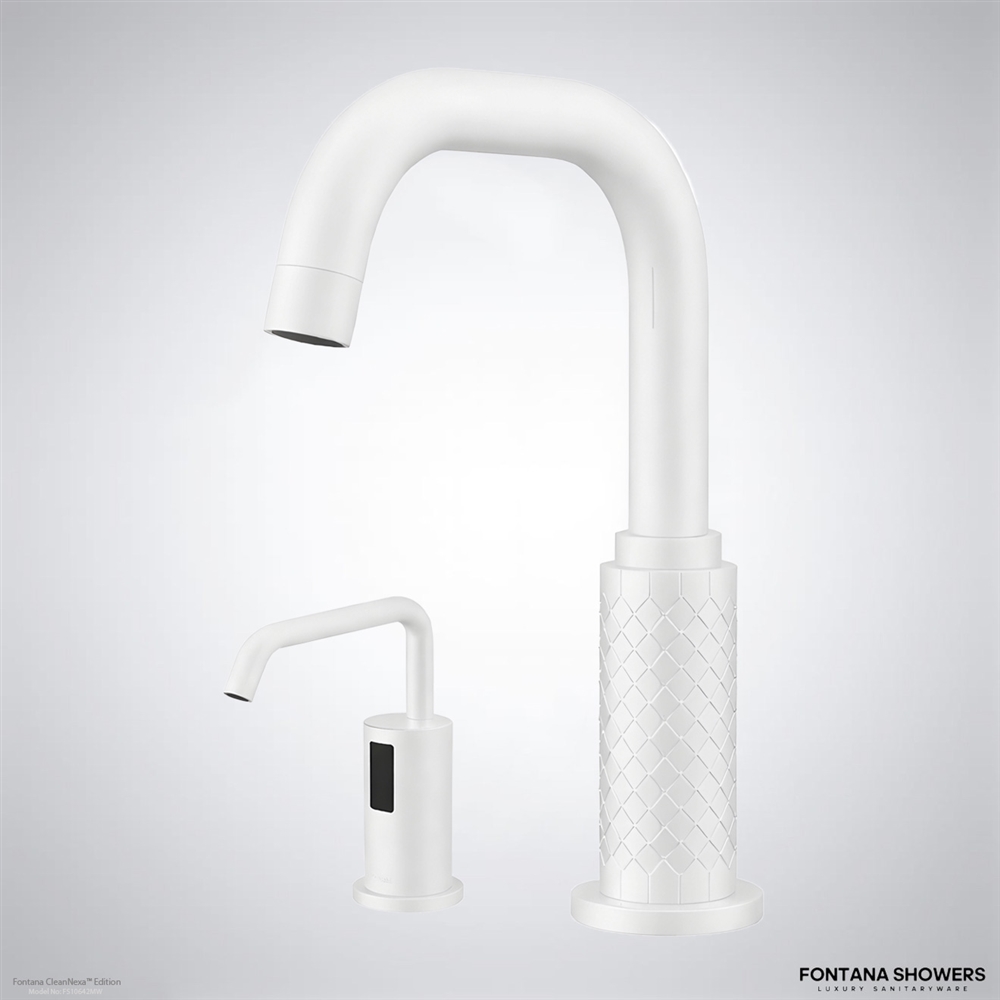
Priorities for AEC Speculation
AEC-grade tap specification should have measurable requirements, not broad claims like smart, hygienic, sustainable or low-flow.
The specification should specify the type of sensor, the activation range, the shutoff delay, the maximum run time and resistance to false activation. It shall also state the permitted flow rate or metered-cycle volume at the test pressure specified.
Read MoreShow Less
Designers need to decide if the tap will run on battery power, AC power, hardwired low voltage or a hybrid power system. Submittal and drawings requirements should indicate the location of the solenoid valve, control box, electrical connection, filters, shutoff valves and service access areas.
Other important requirements include mixing method, temperature limiting strategy, plumbing-system compatibility, spout reach, outlet height, basin setback, splash-control coordination, finish durability, cleaning-agent compatibility, product listings, testing documentation, warranties, and replacement-part availability.
Most plumbing codes restrict public lavatory faucets to a maximum flow of 0.5 gallons per minute. Metered faucets generally allow only 0.25 gallons per cycle. The project team is required to confirm the locally adopted plumbing code and project-specific sustainability requirements.
Designers should not automatically consider a public lavatory tap as WaterSense. Public lavatory faucets currently do not fall into a product category eligible for the WaterSense label from the U.S. Environmental Protection Agency (EPA).
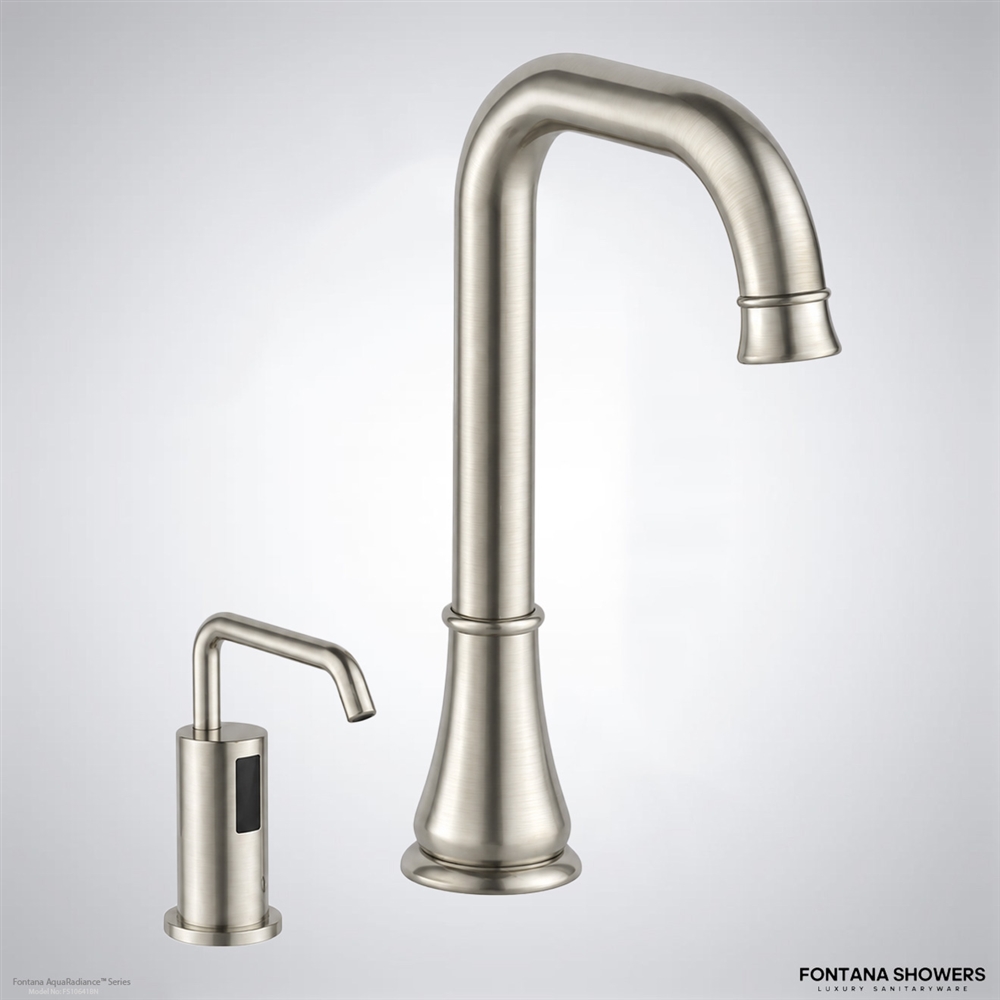
Accessibility needs to be coordinated as a whole bathroom
You may not have to grip, pinch or turn an operating control with touchless activation. But the accessibility compliance is for the entire lavatory installation and not just the tap.
The U.S. Access Board provides guidance on clear floor space, knee clearance, toe clearance, fixture height, reach ranges, protection of exposed piping, and other conditions affecting lavatories and sinks.
Read MoreShow Less
ADA Guidance on Washbasin and Lavatory:
The faucet, basin, countertop, mirror, soap dispenser, waste receptacle and hand-drying device shall constitute a single integrated assembly.
When making purchases, consider Fontana ADA touchless washbasin tap options. However, the project design team and the authority having jurisdiction shall verify compliance for the final installed condition.
ADA Touchless Washbasin Faucets: ADA
https://www.fontanatouchlessfaucets.com/ADA-Touchless-Sink-Faucets-Fontana-Commercial-s/310.htm
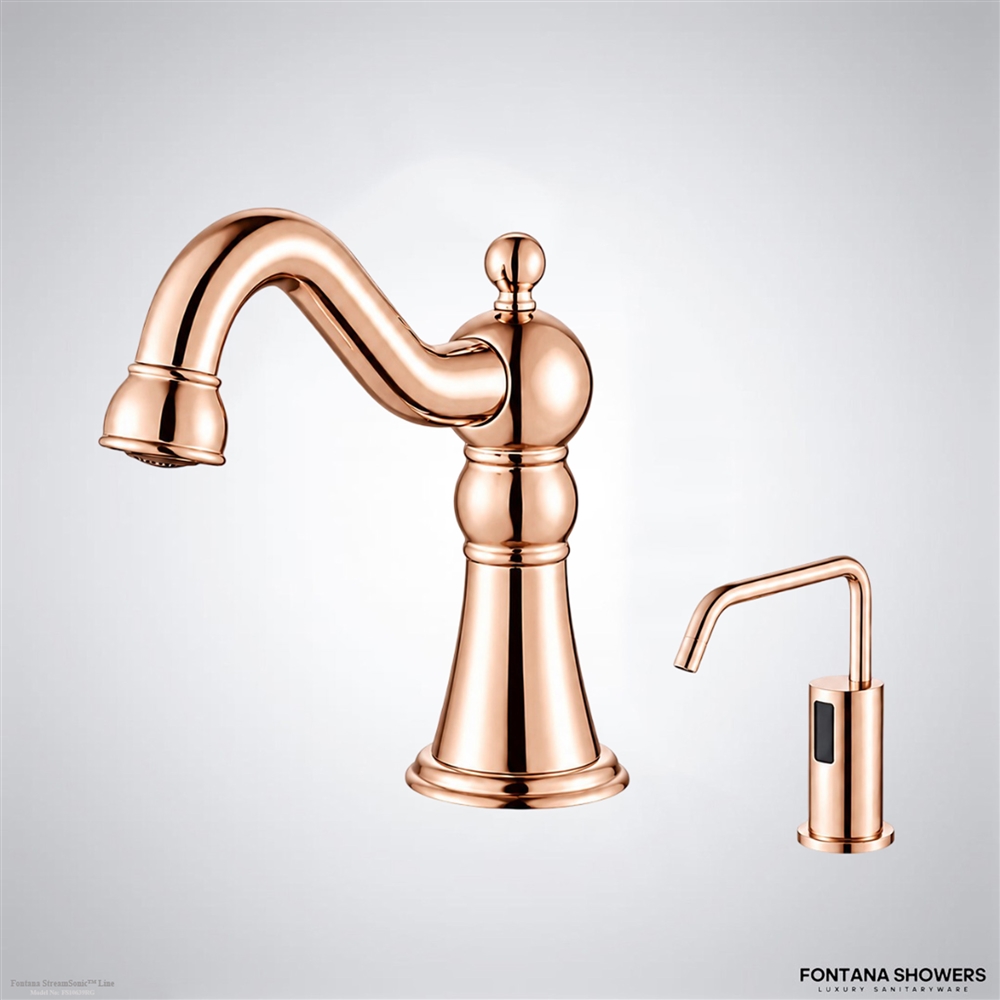

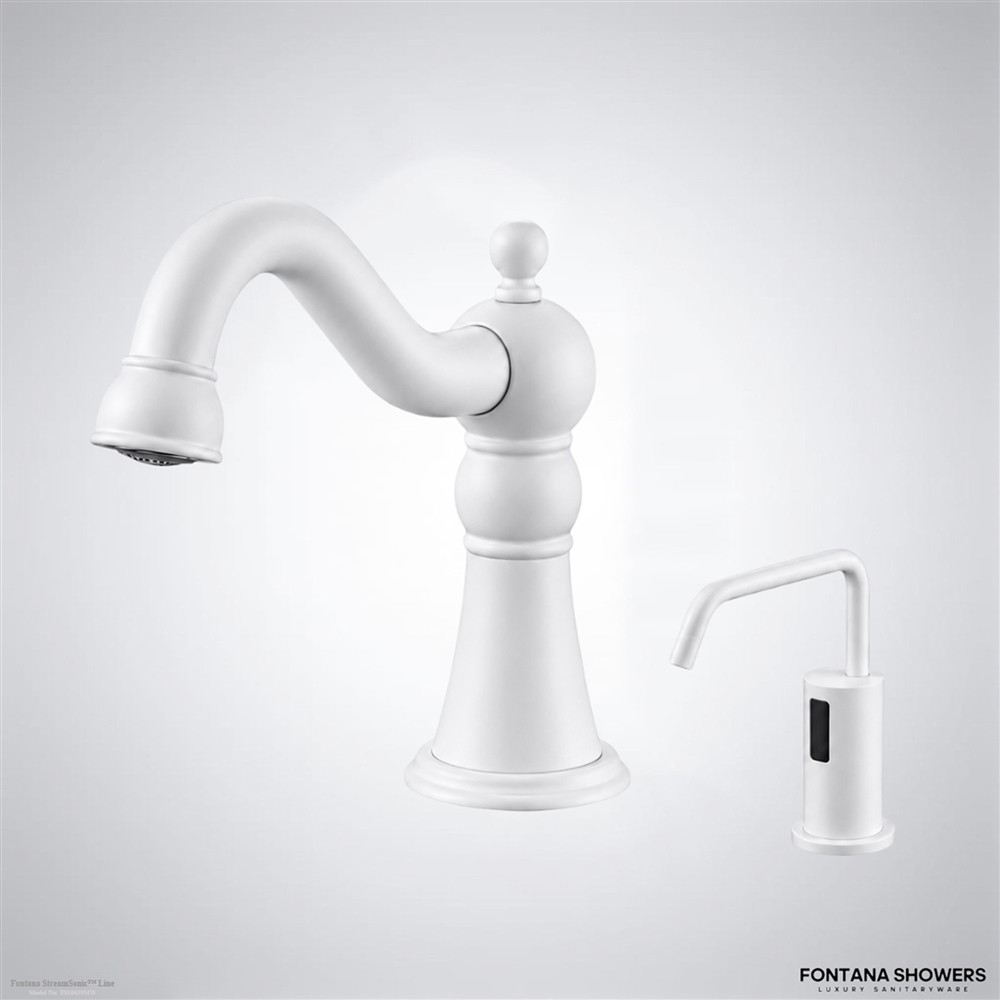

Water Quality & Material Compliance
A workplace wellness loo must balance water efficiency with water quality.
ASME A112.18.1 and CSA B125.1 establish performance requirements for plumbing supply fittings such as lavatory faucets.
ASME Plumbing Supply Fittings Standard:
https://www.asme.org/codes-standards/find-codes-standards/plumbing-supply-fittings-with-10-18-errata
Read MoreShow Less
For wetted tap components, specification writers should consider evidence of compliance with NSF/ANSI/CAN 61 health-effects requirements and NSF/ANSI/CAN 372 lead content requirements where required by the adopted code, jurisdiction or owner standards.
NSFSite » Water Systems » NSF/ANSI CAN 61: Testing & Certification
Low-flow fixtures can alter the hydraulics of a branch. Pipe sizing, hot-water delivery time, balancing, temperature control, stagnation risk and flushing procedures are things MEP engineers need to consider.
The Centers for Disease Control and Prevention considers sink faucets as potential exposure points for building water systems. In applicable facilities, monitor water temperature, disinfectant residual, pH, and areas of stagnant water.
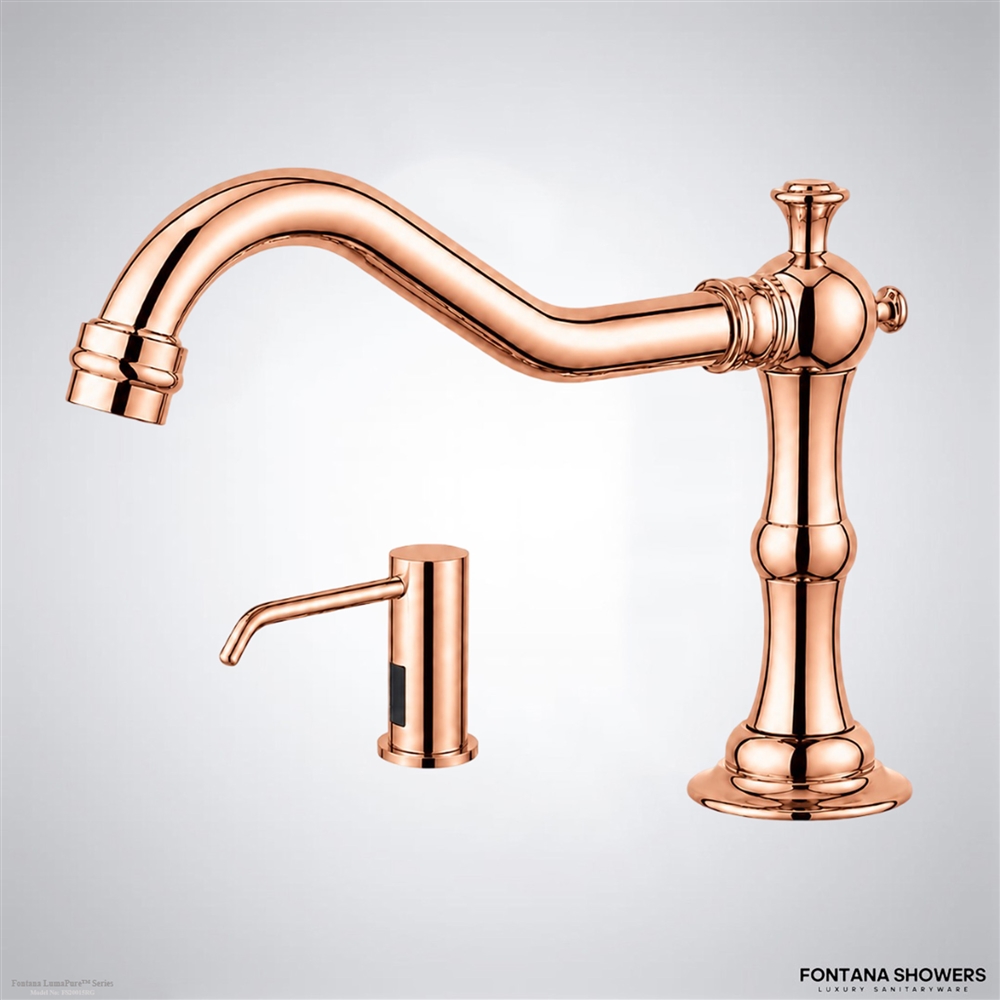

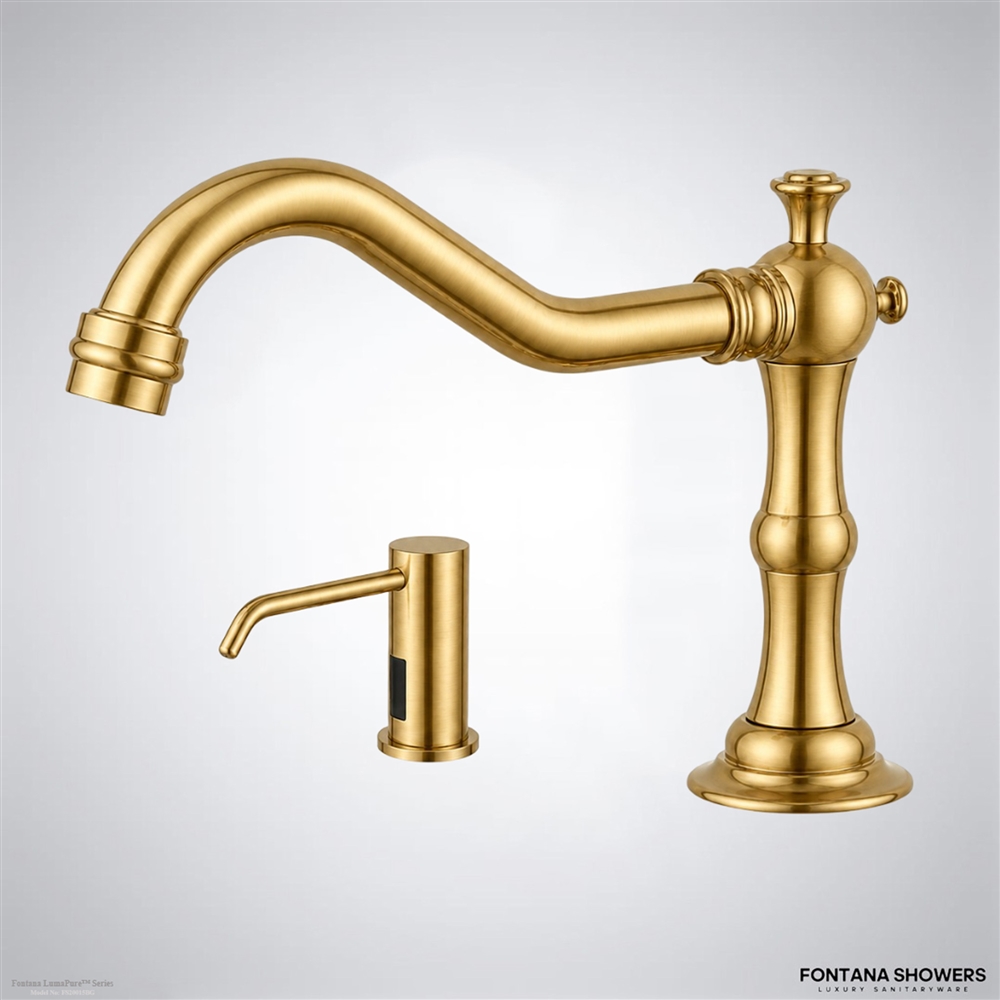

Workplace Wellness Program Reference Chart
| Design Category | AEC Review Point | Suggested Documentation | Operational Result |
|---|---|---|---|
| Design Category of Cleanliness |
Review Point: A.E.C. Hands-free activation, correct sensor response, coordinated soap access and intuitive hand washing flow. |
Suggested Documentation: Sensor data, zoomed in lavatory elevations, dispenser schedules, product data, operational narratives. |
Result of operations: Less touch on tap controls and a more easeful handwashing process. |
| Accessibility Design Category |
AEC Review Point: Clear Floor Space Reach Ranges Knee and Toe Clearances Sensor Response Exposed Piping Protection |
Suggested Reading: Enlarged plans, sections, fixing details, access check list. |
Results of Operations: Facilities used more equitably and conveniently. |
| Design Category: Water Efficiency |
AEC Review Point: Flow rate, timeout settings, metered cycles, leak response, and water pressure compatibility. |
Suggested Documentation: Certified flow data, test reports, commissioning records and control settings. |
Operational Result: Less unnecessary runtime and controlled water demand. |
| Design Category: Water Quality |
AEC Review Point: Materials wetted, water temperatures, stagnation controls, and branch piping configuration. |
Suggested Documentation Water management procedures, balance reports, flushing instructions and NSF documentation. |
Operating Results: Improved water quality management building support. |
| Design Category: Maintainability |
AEC Review Point Connection to power supplies, solenoids, aerators, filters, mixing valves and shutoff valves. |
Suggested Documentation: Operating and maintenance manuals, access diagrams, wiring information, spare parts lists |
Results of operations: Quicker maintenance, less downtime, more predictable service. |
| Design Category: Heavy duty |
AEC Review Point: Finish performance, vandal resistance, expected duty cycle and cleaning compatibility. |
Suggested Documentation: Finish up data, durability testing, warranty info and cleaning requirements. |
Operational Result: Longer Life Span of Heavily Used Workplace Bathrooms. |

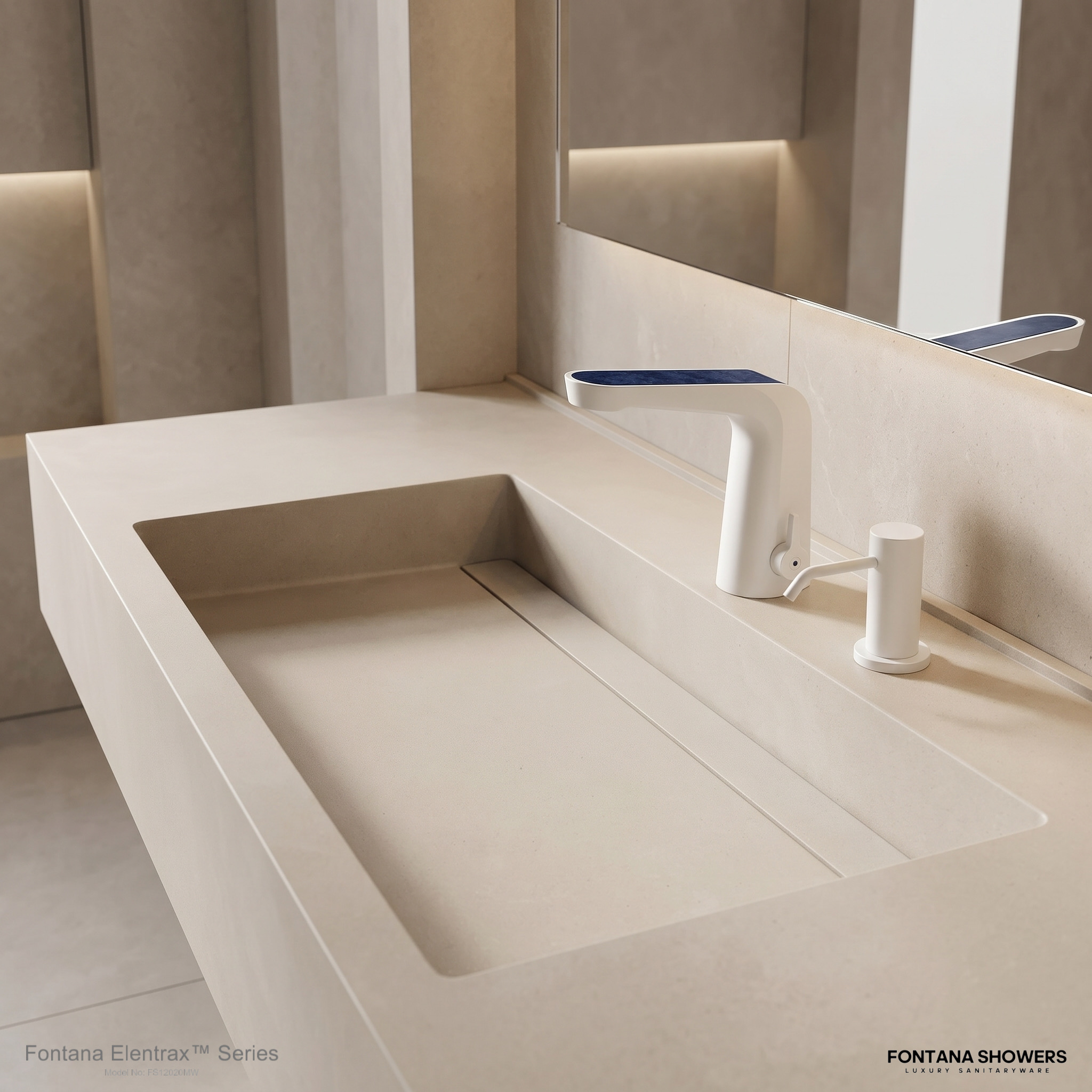
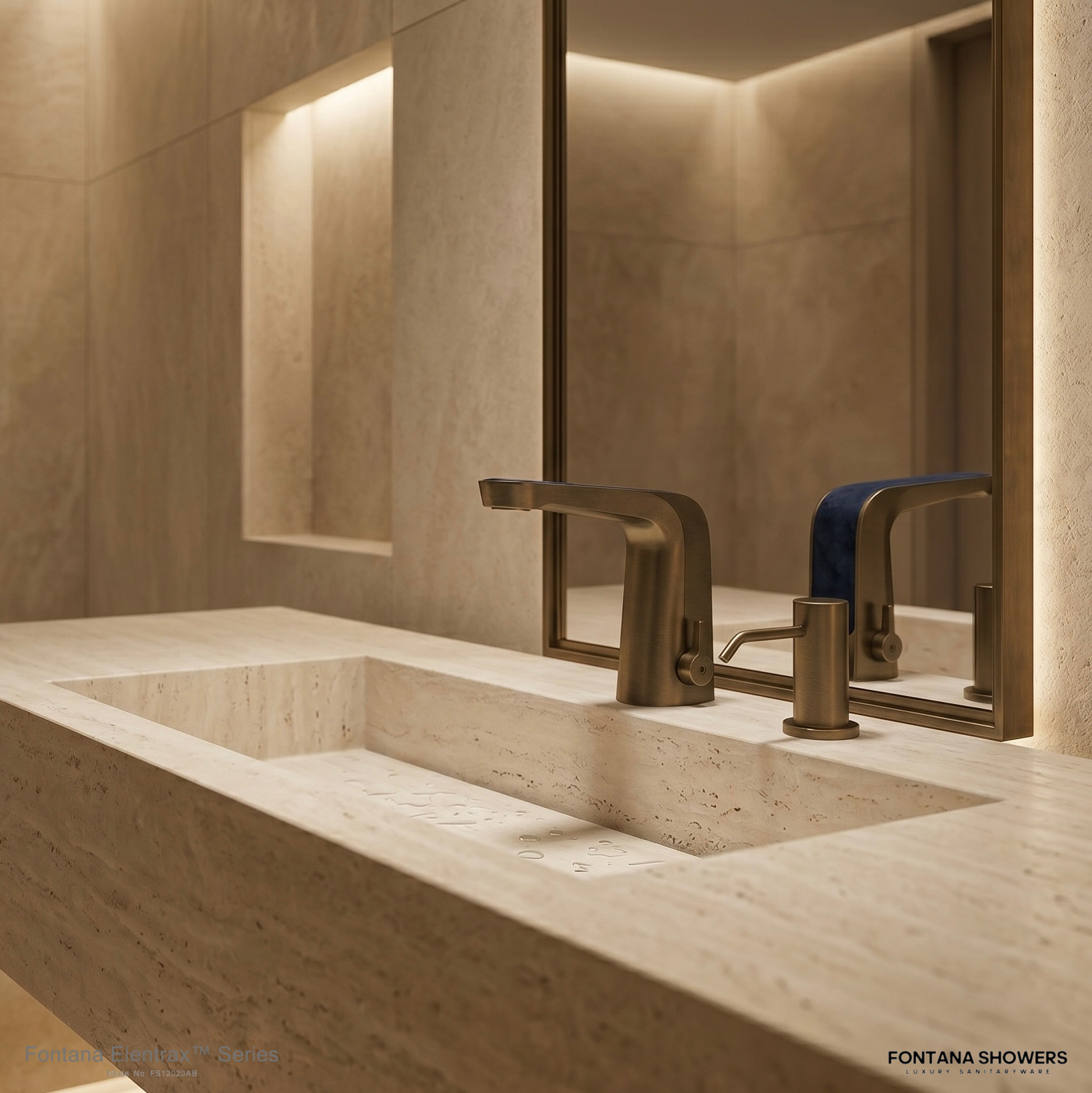
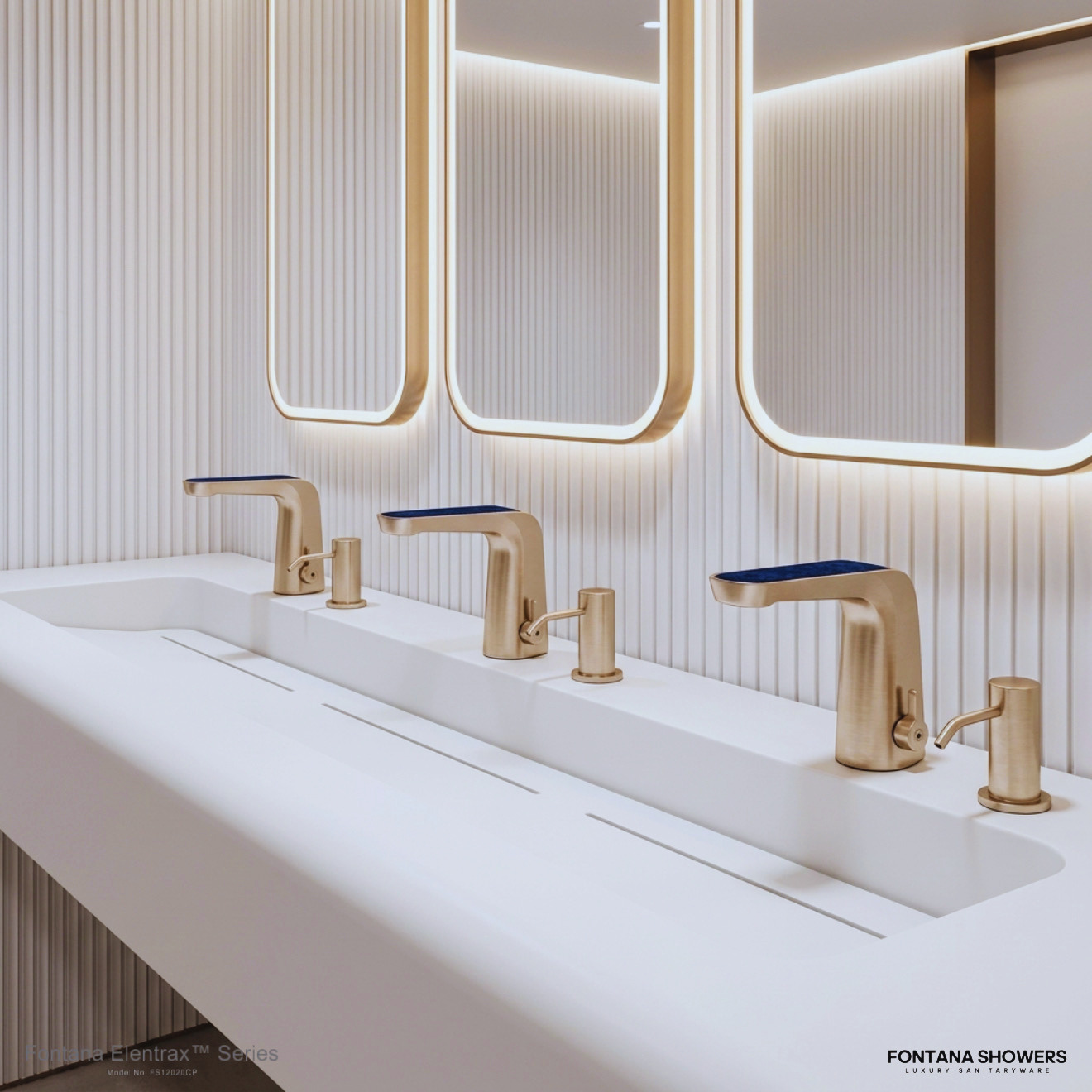
Example of a work situation
Let’s consider a 12 story office renovation with four public lavatories on each floor. Owner goals include: Increased occupant confidence, decreased water consumption, uniform lavatory appearance, and easier maintenance of the facility.
The design team standardises one family of deck-mounted sensor faucets, one coordinated automatic soap dispenser, and one control-box arrangement.
Automatic Soap Dispenser Solutions:
https://www.fontanatouchlessfaucets.com/Automatic-Soap-Dispenser-Matte-Black-s/1256.htm
Read MoreShow Less
Plumbing drawings show power supply, mixing valve, shutoff valves, service clearances, branch piping, and maintenance access.
During the lavatory mockup review by the project team, the original tap outlet position is discovered, and water splashes near the front edge of the basin.
The architect and plumbing engineer get around the condition by changing the reach of the spout, the height of the outlet, the range of the sensor, the angle of the stream of water, and the position of the basin.
During commissioning, the team checks: activation distance, shutoff timing, mixed-water temperature, water flow, drainage, leakage, power condition, and service access.
It's not just a touchless bathroom, but the result. It is a repeatable workplace standard supported by coordinated drawings, measurable acceptance criteria, documented testing and clear facility procedures.


Commissioning and Post-Occupancy Verification
All sensor faucets shall be functionally tested prior to project turnover.
The commissioning procedure should include verification of the activation zone, deactivation response, maximum run time, shutoff delay, measured flow rate, metered volume (if applicable), mixed-water temperature, drainage performance, leakage status, power-supply condition, soap-dispenser coordination, and maintenance access.
Read MoreShow Less
Facility personnel should be provided with product schedules, wiring diagrams, troubleshooting procedures, approved cleaning procedures, replacement-part numbers, warranty information, and manufacturer contact information.
After occupancy, the facility team needs to track nuisance activations, low-battery events, clogged aerators, restricted filters, temperature complaints, water leakage, soap-delivery problems, and use of replacement parts.
These records form a feedback loop that is useful for future office renovations. They also help the owner identify installation defects, programming problems, water-system problems and normal maintenance requirements.


Wellness Fixture Is Systems Decision
FontanaTouchlessFaucets WELL workplace wellness faucet solutions perform best when selected via a performance-based AEC process.
Read MoreShow Less
The idea isn’t to choose a sensor tap simply because it’s touchless. Our goal is to develop a handwashing system that is accessible, water-conscious, hygienic, durable, easy to maintain and supports workplace wellness throughout the life cycle of the building.
If you think about product selection, basin shape, accessibility, water management, electrical controls, maintenance access and commissioning early, touchless faucets are not just restroom hardware.
They are incorporated into a measurable plan for workplace wellness, water efficiency and facility performance.