|
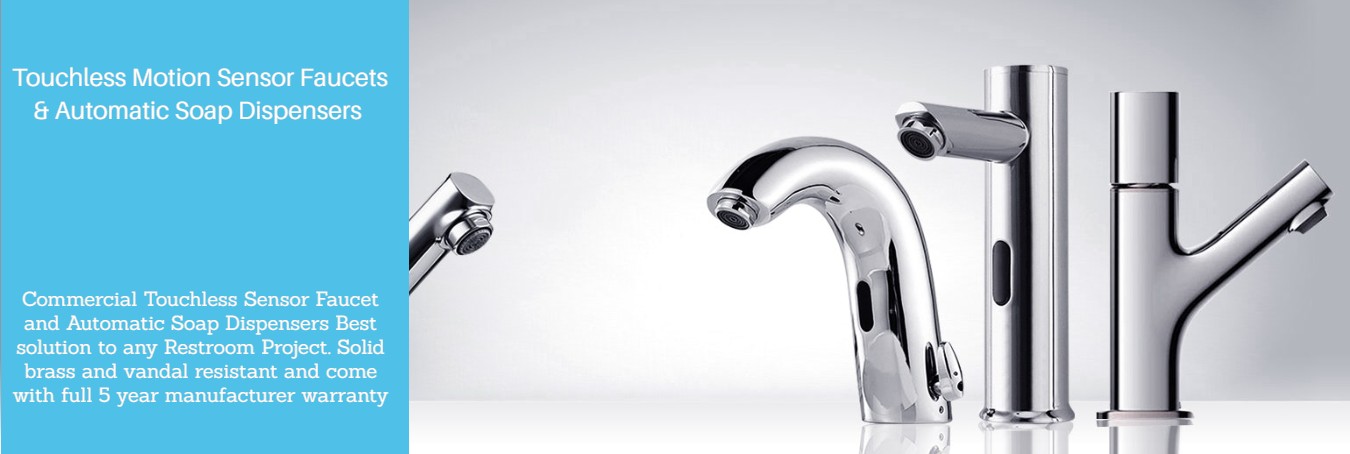
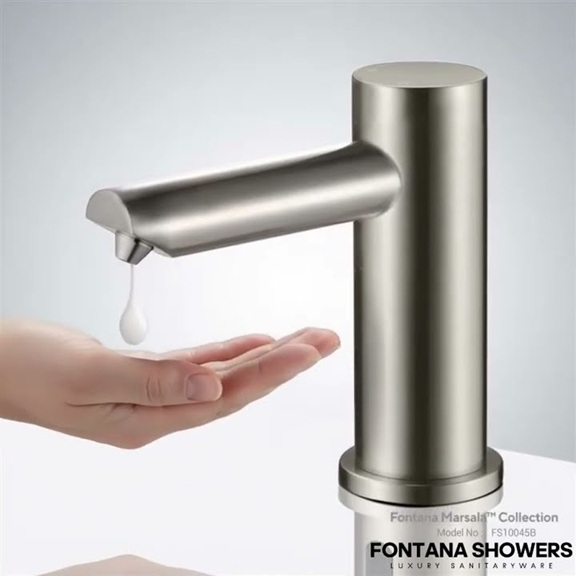
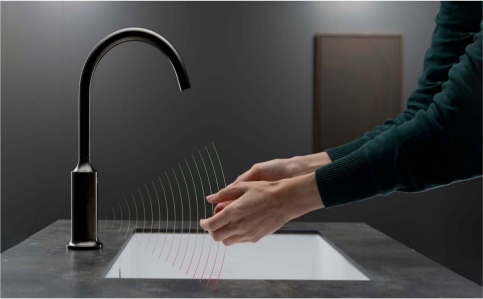
When evaluating hotel bathroom fixtures for commercial properties, architects, facility managers, and hospitality designers increasingly prioritize durability, hygiene performance, maintainability, and compliance over appearance alone. Common specification challenges include premature finish wear, inconsistent sensor performance, excessive water consumption, and soap dispensing systems that fail under high-traffic conditions. Modern hospitality projects often address these concerns through integrated solutions such as touchless commercial bathroom faucets, commercial-grade touchless faucets, and commercial-grade automatic soap dispensers. Facilities seeking to reduce touchpoints may also evaluate automatic liquid hand soap dispensers, automatic foam soap dispensers, and wall-mounted touchless dispensers for guest and public restroom applications. Industry best practices recommend reviewing product conformity with recognized organizations and standards, including NSF, IAPMO, ASME, and ASSE. Sustainability-focused projects frequently align fixture selection with EPA WaterSense, USGBC LEED, and WELL Building Standard objectives. Professional design guidance from organizations such as the AIA, NKBA, and Hospitality Design further emphasizes lifecycle value, accessibility, guest experience, and long-term operational efficiency. A properly specified hospitality restroom program should balance water efficiency, sensor reliability, maintenance accessibility, and user hygiene outcomes while avoiding low-quality products that increase service calls, replacement costs, and operational disruptions.
|