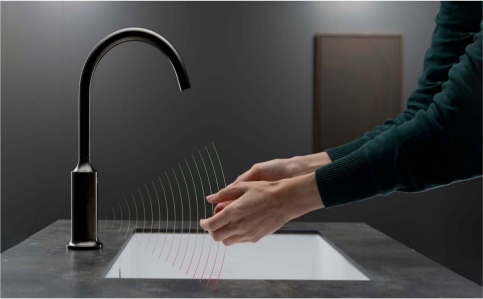
Liquid FormulationMetered DeliveryWall and Deck MountingRefill Access
Match the Pump to the Soap, and the Fixture to the Room
An automatic liquid hand soap dispenser is a coordinated assembly
of sensor, pump, reservoir and outlet. Choose a wall-mounted or
deck-mounted arrangement that fits the wash station, then verify
compatibility with the approved liquid soap and the facility’s
refill procedure.
Read More: Liquid Dispensing Performance
Show Less
Liquid soap behavior depends on the formulation and the
pump’s operating limits. Review documented viscosity
compatibility, priming instructions and adjustable dose
settings where available. Compare
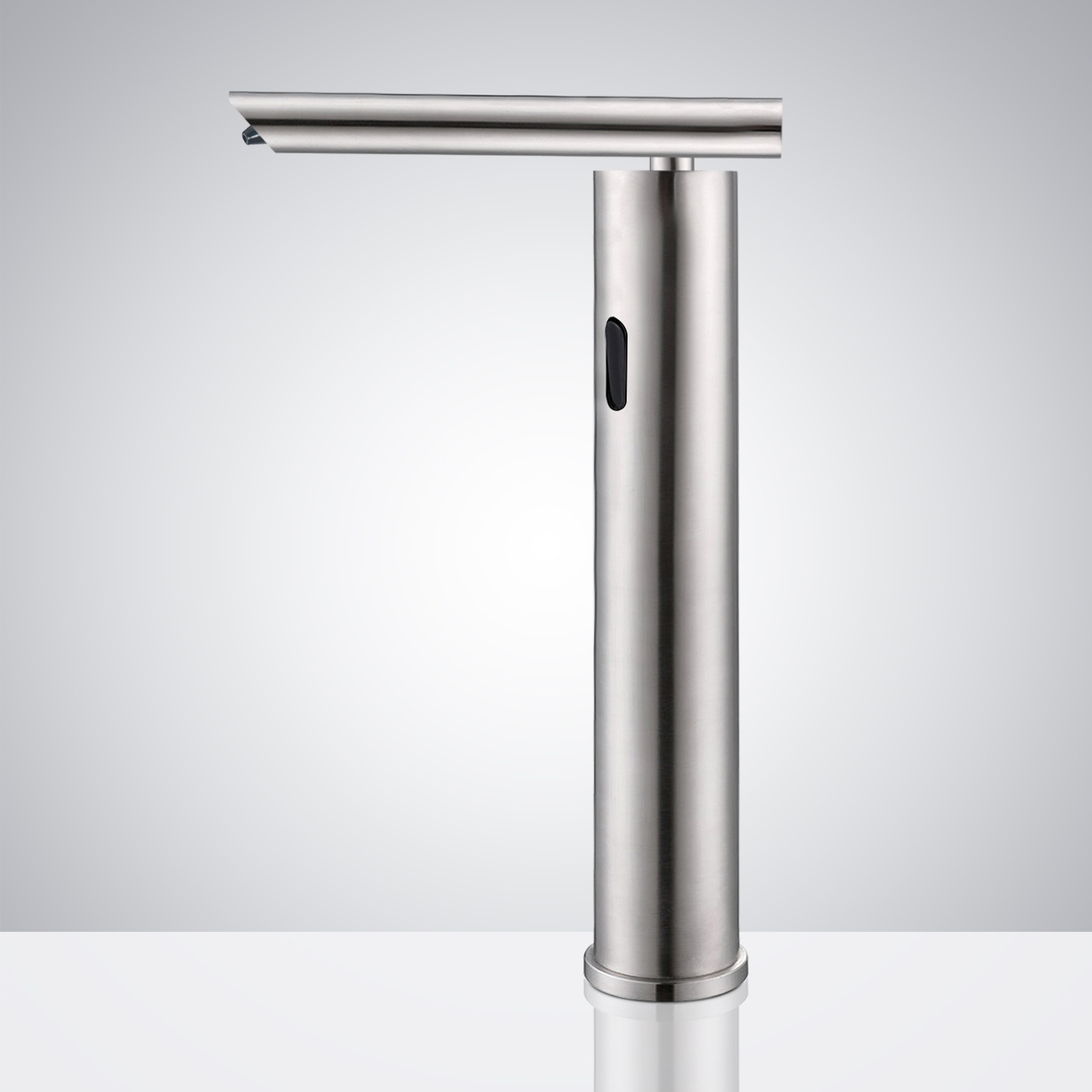
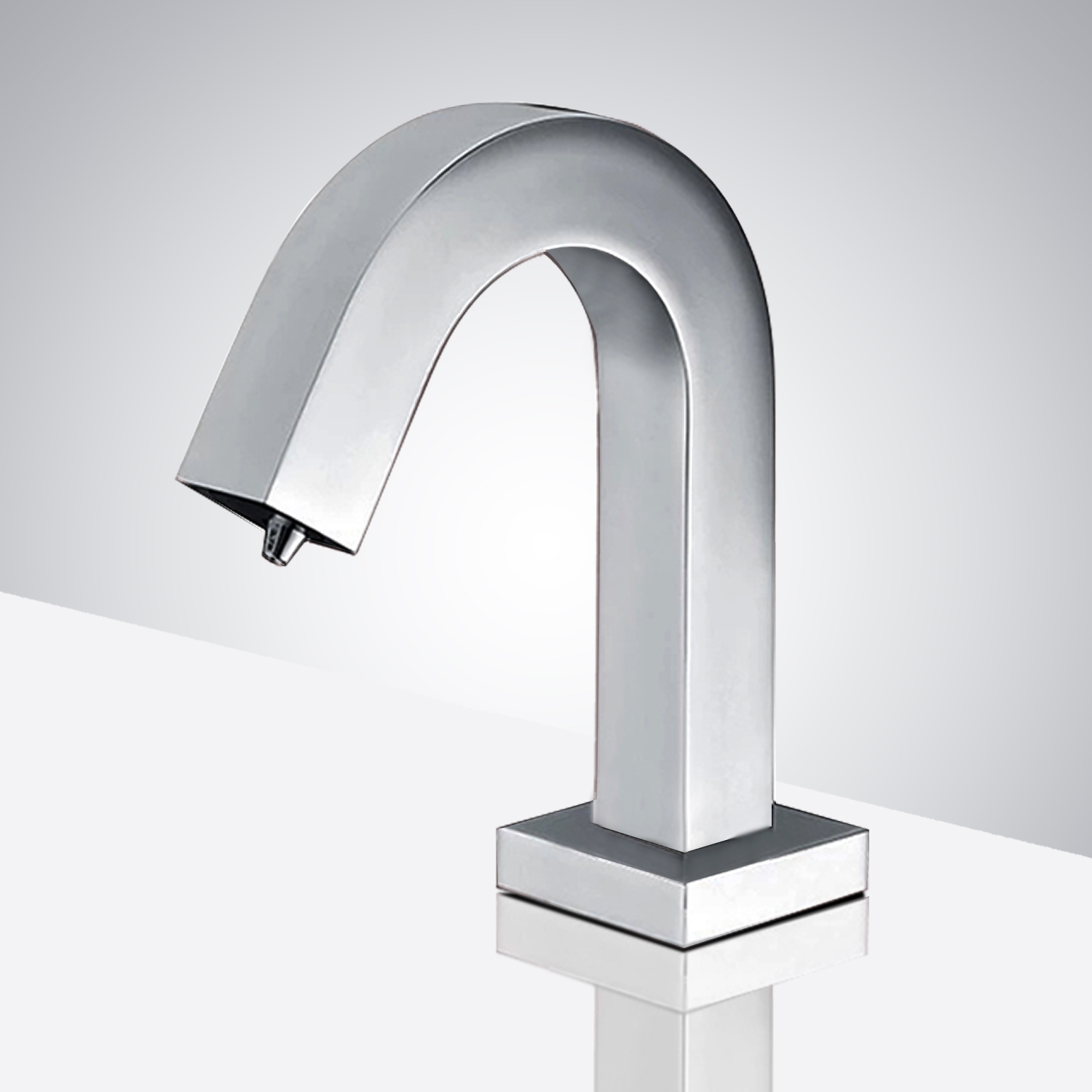
wall-mounted dispensers
with
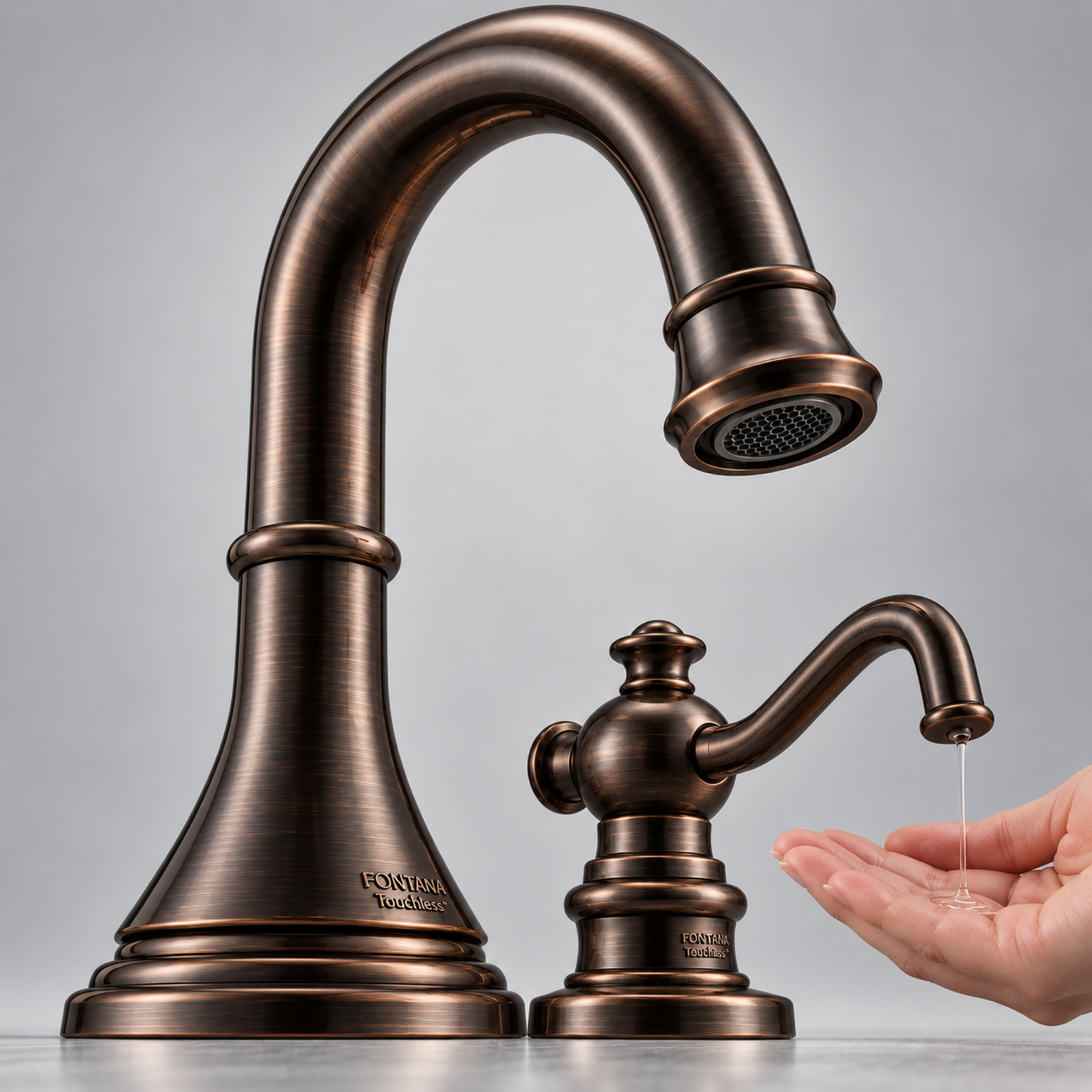
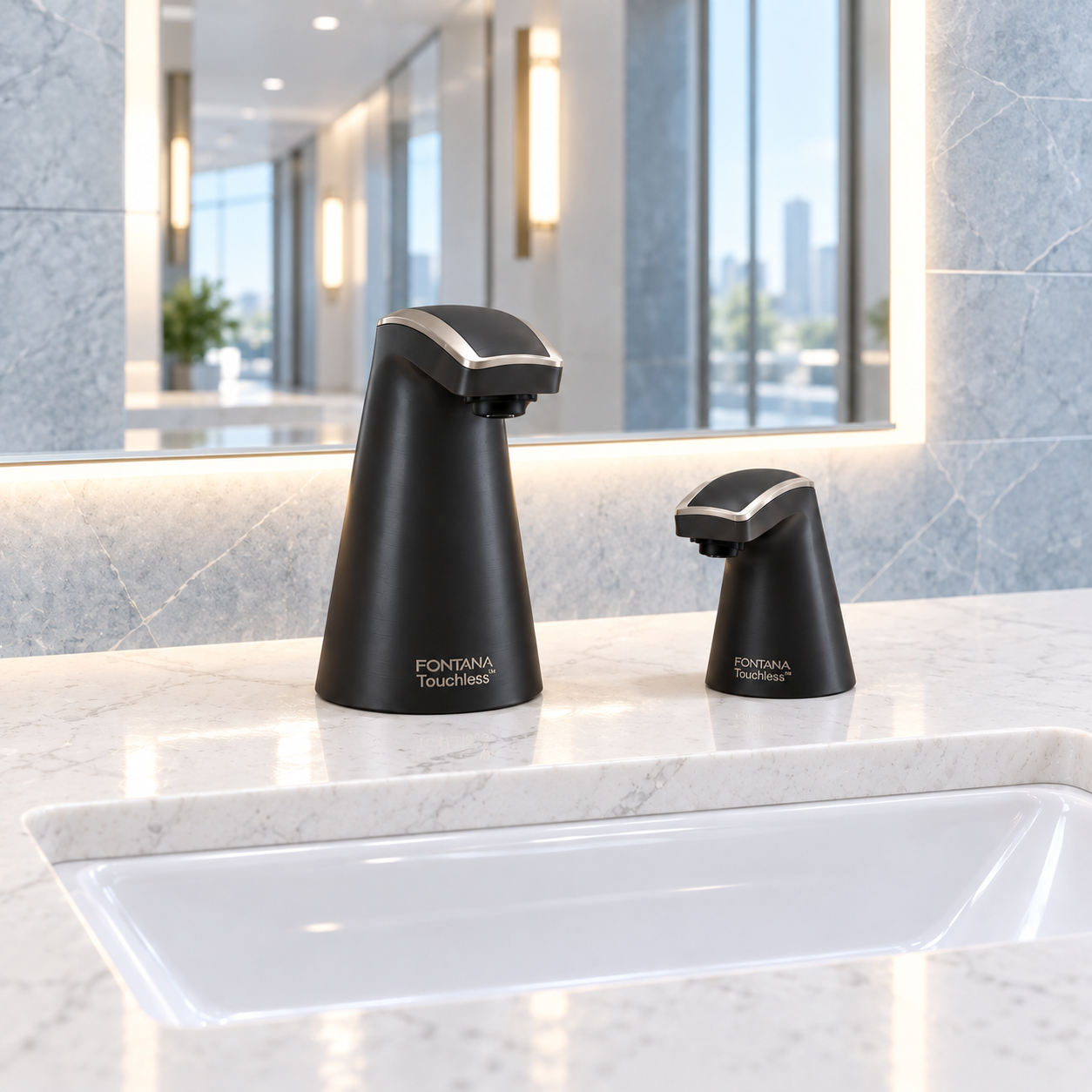
deck-mounted liquid soap assemblies
by their complete installation and service requirements.
Architects and contractors should coordinate the outlet with
basin geometry; engineers and facility teams should review
power access, soap supply and replaceable components. Test
the approved combination in its installed surroundings before
accepting claims about dispensing consistency or
maintenance demand.
Confirm soap compatibility for the pump and wetted components.
A liquid dispenser should not be assumed to accept a foaming
formulation or a diluted substitute.
Explore Compatibility
Record the approved formulation and permitted
viscosity limits.
Check cleaning and flushing instructions before
changing products.
Retain the manufacturer’s substitution requirements
with purchasing records.
Pump Recovery
Check the First Dose After Refill
Inspect the priming sequence and return to normal delivery
after filling or reservoir replacement. Treat air in the
supply path separately from sensor response.
Review Priming Behavior
Use the documented priming procedure.
Check permitted tubing routes and connection integrity
where applicable.
Observe the first accepted dose and recovery after
the specified idle period.
Outlet Performance
Assess Delivery and Cutoff Together
Evaluate where liquid lands and what happens after the
dispensing cycle. Check delayed dripping, residue and
unintended repeat delivery with the actual soap.
Expand Delivery Checks
Keep soap and dose settings consistent during comparison.
Observe several cycles rather than one activation.
Confirm the outlet can be cleaned using approved methods.
Refill Practice
Define the Reservoir Procedure
Specify how the reservoir is emptied, cleaned and replenished.
For healthcare use,
CDC clinical guidance
advises against adding soap to partially empty dispensers.
Review Service Controls
Separate refill instructions from external finish care.
Identify the responsible team and approved consumable.
Document refill keys, replacement bottles and
cartridge references.
Coordinate the Visible Fixture With the Concealed Assembly
Compare outlet proportions, finish and basin placement alongside
the mounting drawing. Similar-looking dispensers can require
different reservoirs, pump modules and access clearances.
Wall mounting and deck mounting change the service location,
not the need for a documented liquid-delivery system. A wall housing
may provide front access, while a deck assembly may rely on space
beneath the lavatory. Confirm the actual refill and component-removal
route for the selected model, and assess the dispensing position
using the
U.S. Access Board’s reach and operability guidance
.
Installation and Acceptance
Leave Room for the Task That Happens After Opening Day
The installed dispenser must be accessible to the user and
serviceable by staff. Review the finished wall or deck detail
together with the reservoir, power module and any connecting tubing.
Wall:
confirm backing and cover-opening clearance.
Deck:
confirm hole size, deck thickness and under-counter removal space.
Both:
identify the approved soap, refill method and power-service access.
Read More: Commissioning and Maintenance
Test activation with the basin and adjacent faucet installed.
Measure liquid consumption over an agreed sample of cycles,
record settings and inspect the outlet after dispensing.
Demonstrate refill, any required re-priming and return to service.
Keep installation details and operating instructions
with the model schedule.
Record replacement-part references and permitted
cleaning agents.
Confirm access to service components without removing
neighboring fixtures.
Commercial Liquid Soap · Specification to Operation
What Happens When the Specification Reaches the Stockroom?
An automatic liquid hand soap dispenser stays useful only if the equipment, replacement stock and operating records remain aligned. A purchasing substitution, an unidentified spare pump or an undocumented adapter can change the assembly long after installation. Build a clear link between the fixture schedule and the staff who order, store and service its components.
For wall-mounted and deck-mounted dispensing systems, the visible fixture is only part of the installed asset. Track the soap container, pump version, supply components and service instructions together. Compare
commercial automatic dispensing systems by their documentation and replacement support as well as their appearance.
Procurement Brief
Make Every Substitution Reviewable
Specify a controlled approval route for changes to the soap, pump, cartridge and power supply. A substitute that fits physically may still differ in formulation, electrical rating or operating instructions. Require a documented comparison before adding it to the facility’s stock list.
Consumable identity: keep the supplier reference and product label with the approved stock record.
Component identity: distinguish complete assemblies from interchangeable spare parts.
Change approval: identify who accepts substitutions and updates the operating record.
Open the Purchasing Checklist
For workplace chemicals covered by hazard-communication requirements, maintain the applicable labels, safety data sheets and staff information described in
OSHA’s Hazard Communication guidance. A safety data sheet addresses chemical hazards; it does not establish dispenser compatibility or finish-care approval.
Retain the manufacturer’s compatibility confirmation for the proposed substitute.
Check storage instructions and stock rotation requirements on the supplied product.
Record the first installation using a revised component or consumable.
Consumer Soap Is a Separate Decision
The dispenser’s material or sensor does not determine the soap’s health claims.
FDA guidance on consumer antibacterial washes reports insufficient evidence that they prevent illness better than plain soap and water. Healthcare product selection follows the facility’s clinical protocol.
Power Supplies Need Their Own Record
Keep the approved adapter reference and installation instructions with the equipment record. Where applicable,
OSHA electrical requirements address suitable equipment and use according to listing or labeling instructions. A similar connector does not establish compatibility.
Standardize What Staff Can Identify
Use a consistent asset label and component description across
wall-mounted units and deck-mounted dispensers. Distinguish the exposed fixture from any separately located reservoir or control enclosure.
Facilities Brief
Record the Symptom Before Replacing the Assembly
“Not working” is too broad to support a useful service history. Separate failure to detect a hand from motor activity without delivery, intermittent output and liquid appearing outside the intended outlet. Each observation directs a different manufacturer-approved investigation.
Inspect the Diagnostic Evidence
No response: record power indication, sensor condition and the circumstances of the failed approach.
Pump operates without delivery: record reservoir condition, recent refill history and visible supply connections.
Intermittent output: record when the symptom occurs and whether it follows servicing or a stock change.
Unintended liquid: identify the location and distinguish outlet residue from a connection or container issue.
Follow the selected model’s service procedure rather than bypassing controls or changing undocumented settings.
After corrective work, record the component changed, consumable used and functional check completed. Observe the unit in its installed environment, then update the asset history. Recurring faults should trigger a review of the surrounding conditions and replacement history, not repeated unrecorded exchanges.
A service record becomes valuable when it links the symptom to a cause and a verified repair. Across a building portfolio, that evidence can reveal whether interruptions cluster around one component revision, one consumable change or one installation condition. Use the findings to refine purchasing and service instructions without assuming that every unit has the same fault.
Material selection and operating cost should be assessed together. A housing can retain its appearance while the facility spends excessive time sourcing pumps, keys or compatible bottles. Evaluate
heavy-duty dispensing options using documented construction, replaceable parts and the actual maintenance tasks expected in the building.
Lifecycle Brief
Separate Finish Appearance From Material Evidence
Chrome, brushed metal and brass-colored finishes describe different aspects of an assembly. Request the housing substrate, finish process and material identification for relevant components. Do not infer corrosion resistance, cleaning tolerance or service life from color alone.
Review the Material Questions
Identify exposed housing materials separately from concealed pump and reservoir materials.
Request care guidance for the exact finish and sensor window.
Check whether damage to a cover requires replacement of the cover or the complete unit.
Confirm warranty conditions and the evidence supporting durability claims.
Compare systems over the same operating period. Include approved soap, replacement stock, staff time, power consumables where applicable and documented repair costs. Keep occupied-building observations separate from estimates.
Expand the Cost Review
Record which tasks are routine and which result from faults.
Include minimum order quantities and unused spare stock.
Track the time a dispensing point is unavailable.
Avoid attributing all soap consumption changes to the dispensing hardware.
Compare Automatic and Manual Operation Fairly
An automatic dispenser adds sensing and power-service requirements; a manual dispenser introduces a user-operated mechanism. Compare both against the same accessibility, availability and maintenance objectives rather than assigning a universal efficiency advantage.
Architects · Engineers · Contractors · Facility Teams
Create an Equipment Record That Survives a Staff Change
The installation remains easier to manage when the next contractor or facilities team can identify what is fitted and why it was selected. Associate each dispensing point with a location, exact model, component list and approved consumable. Store the current instructions where the operating team can retrieve them.
Keep With the Installed Asset
Wall or deck mounting detail and any separate equipment location.
Model and component references, including approved power supply.
Consumable approval and substitution history.
Service instructions and replacement-source details.
Keep With the Operating History
Fault descriptions and corrective actions.
Component revisions and dates of replacement.
Observed availability and recurring maintenance tasks.
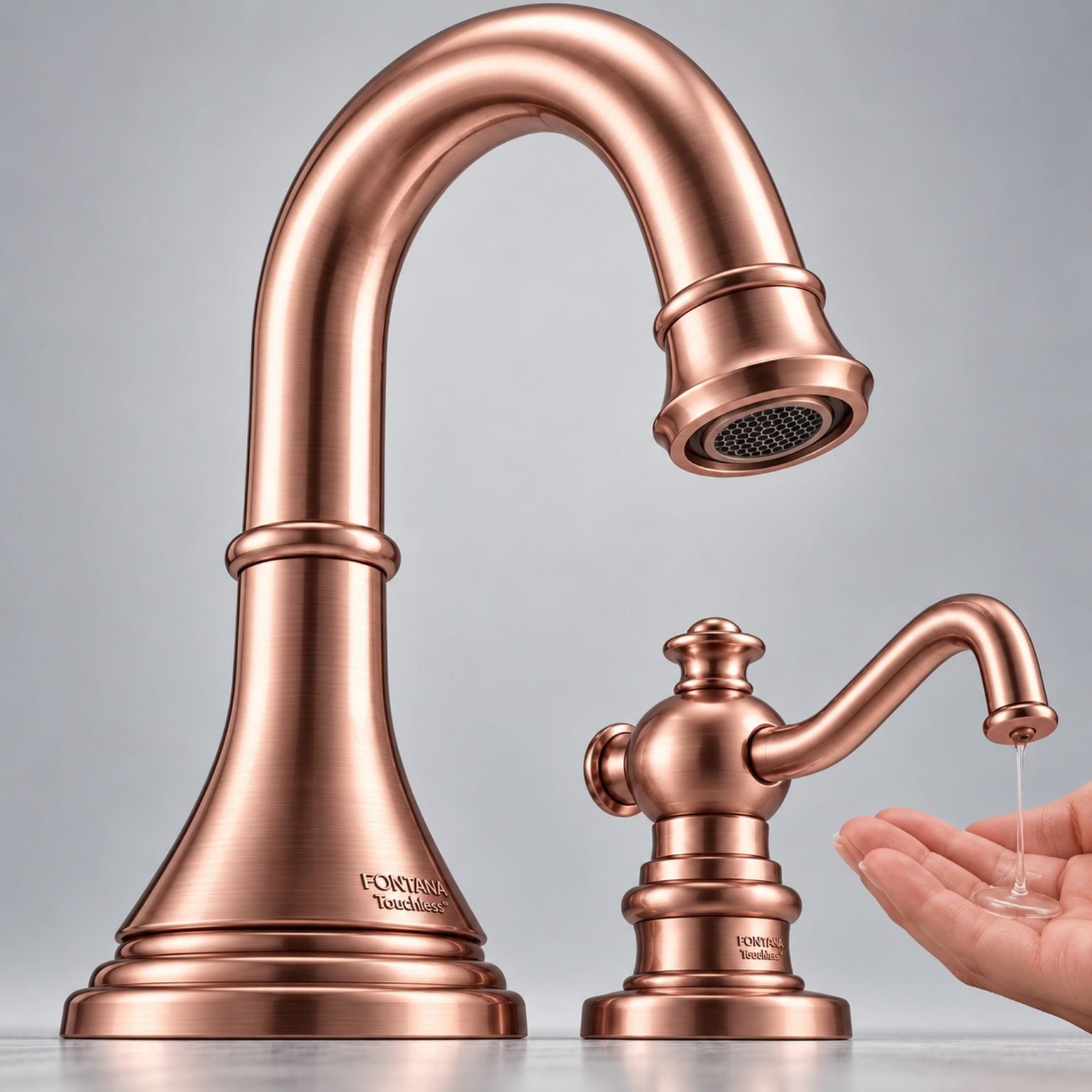
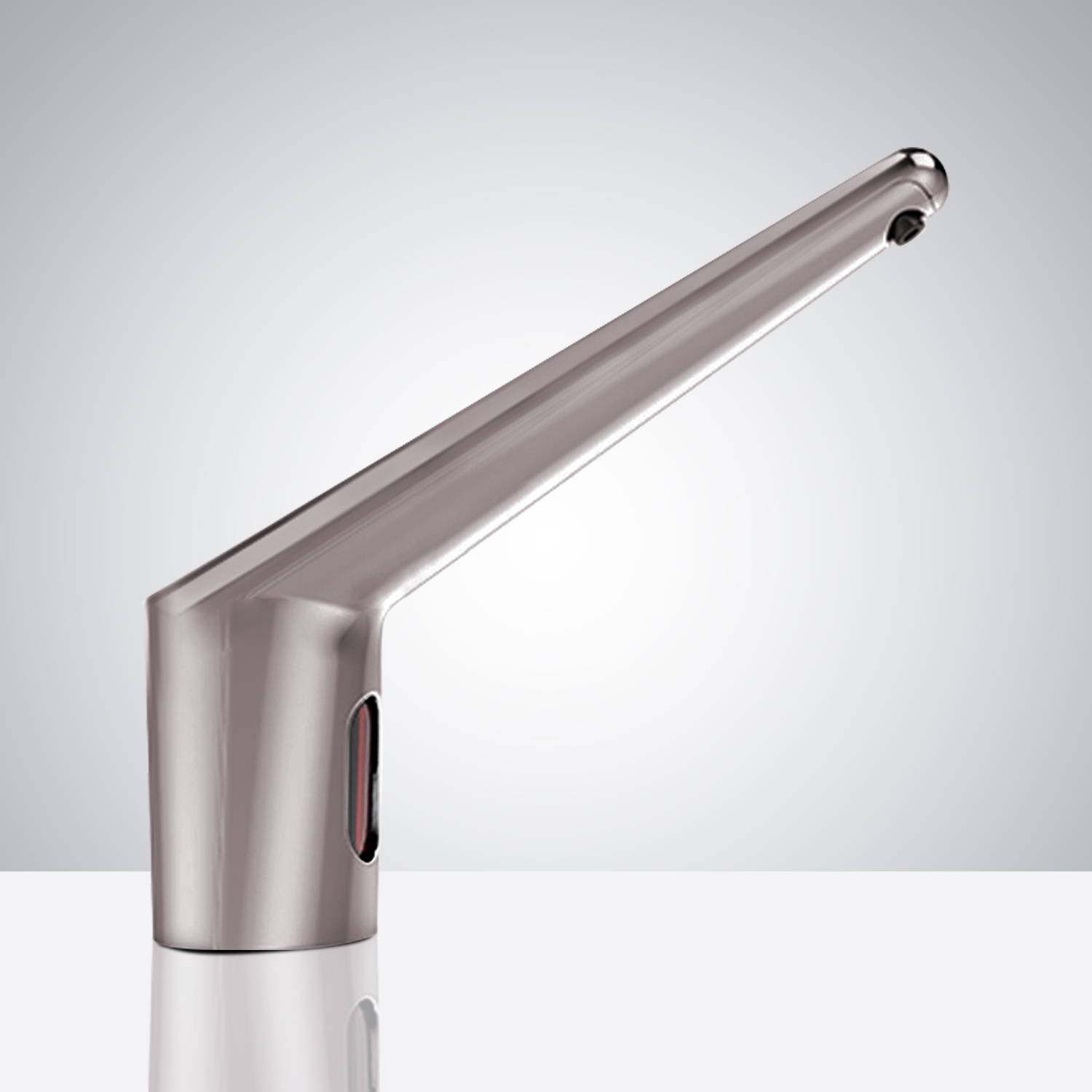
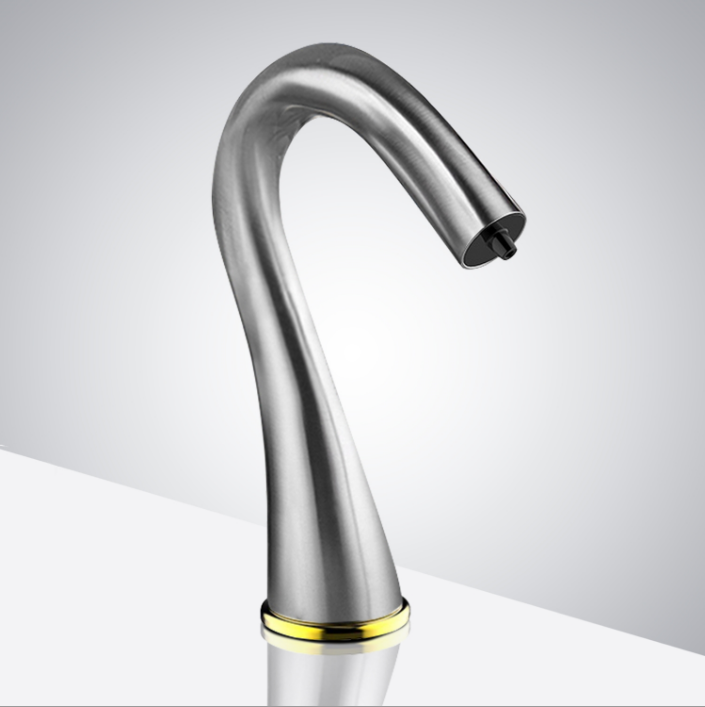
Automatic liquid hand soap dispensers support effective hand hygiene with accurate soap delivery. Manual dispensers can increase touchpoints and maintenance concerns, while sensor-operated systems provide consistent dispensing, improved sanitation, reduced product waste, and dependable performance for commercial, healthcare, and hospitality environments.










.jpg)