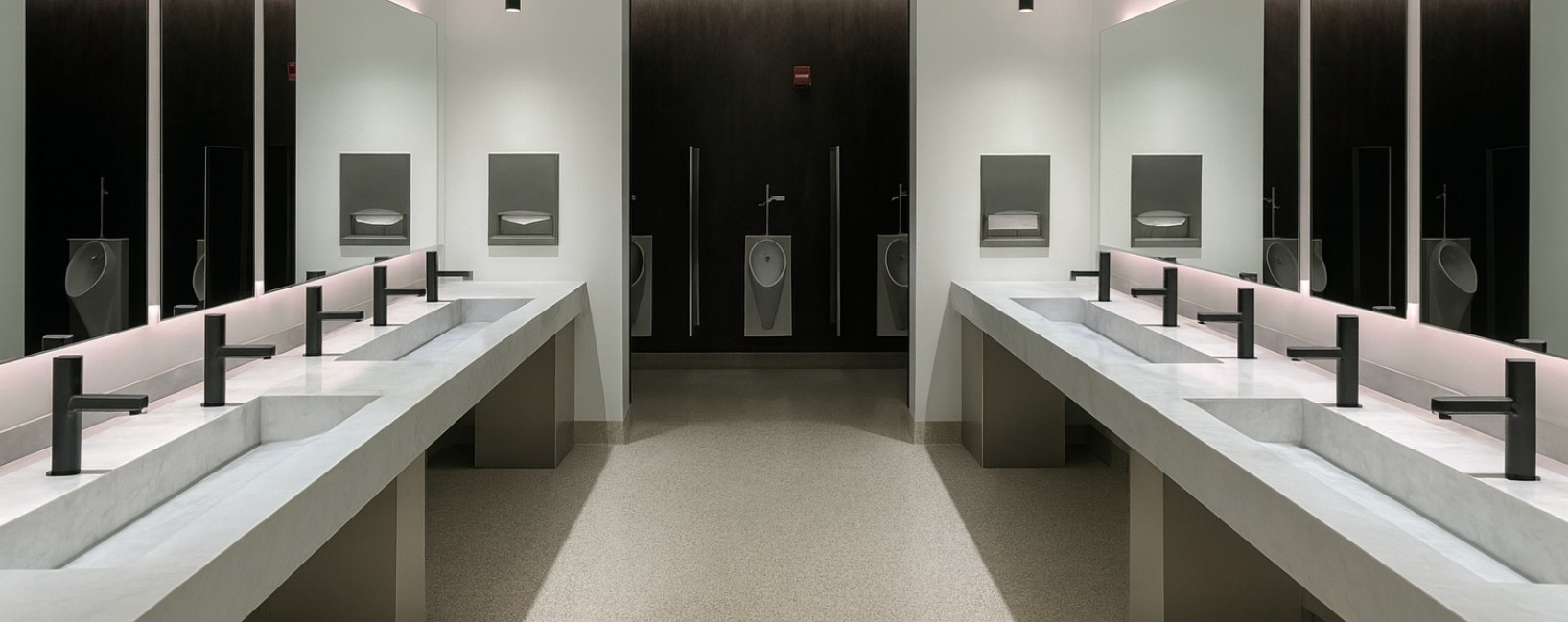
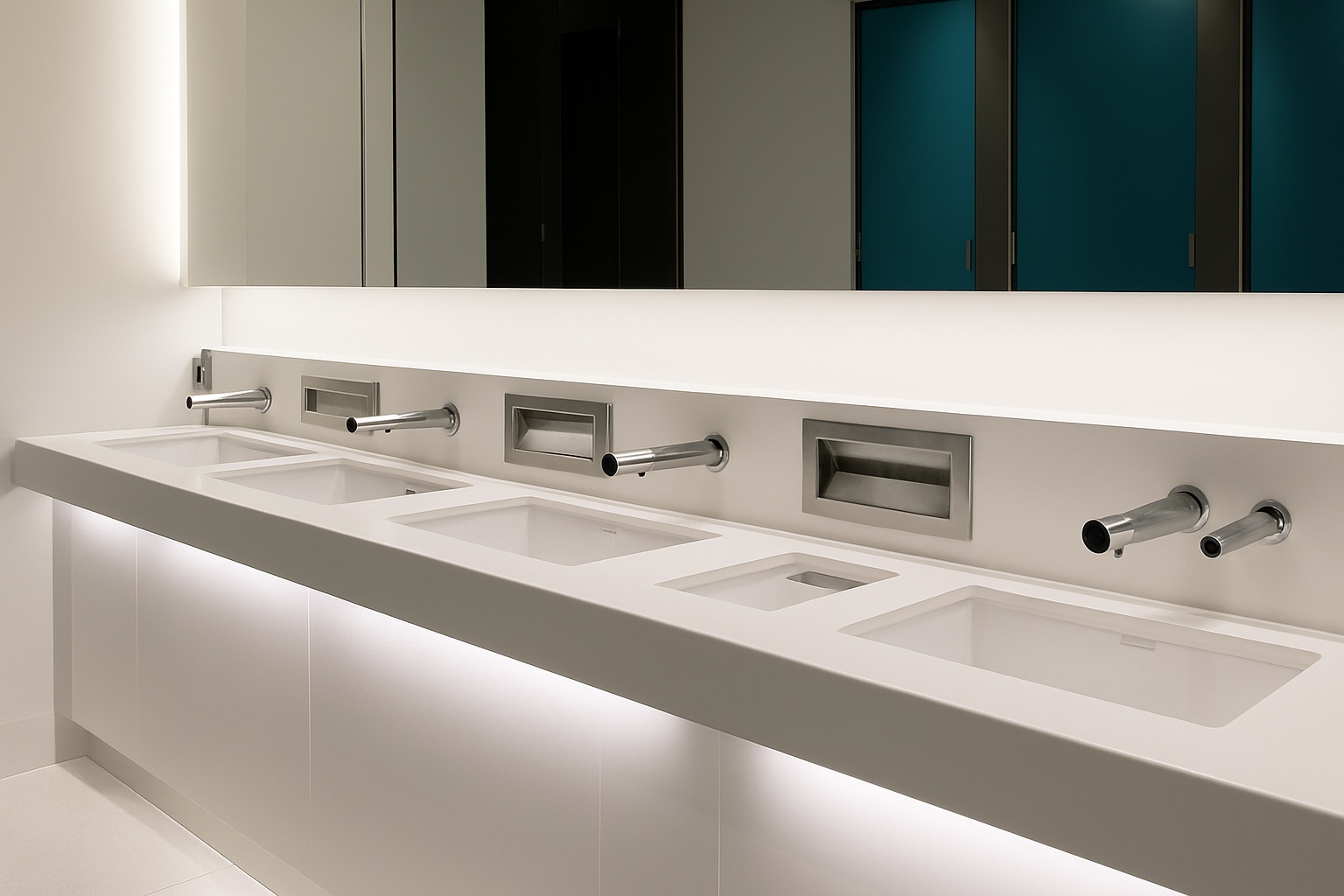
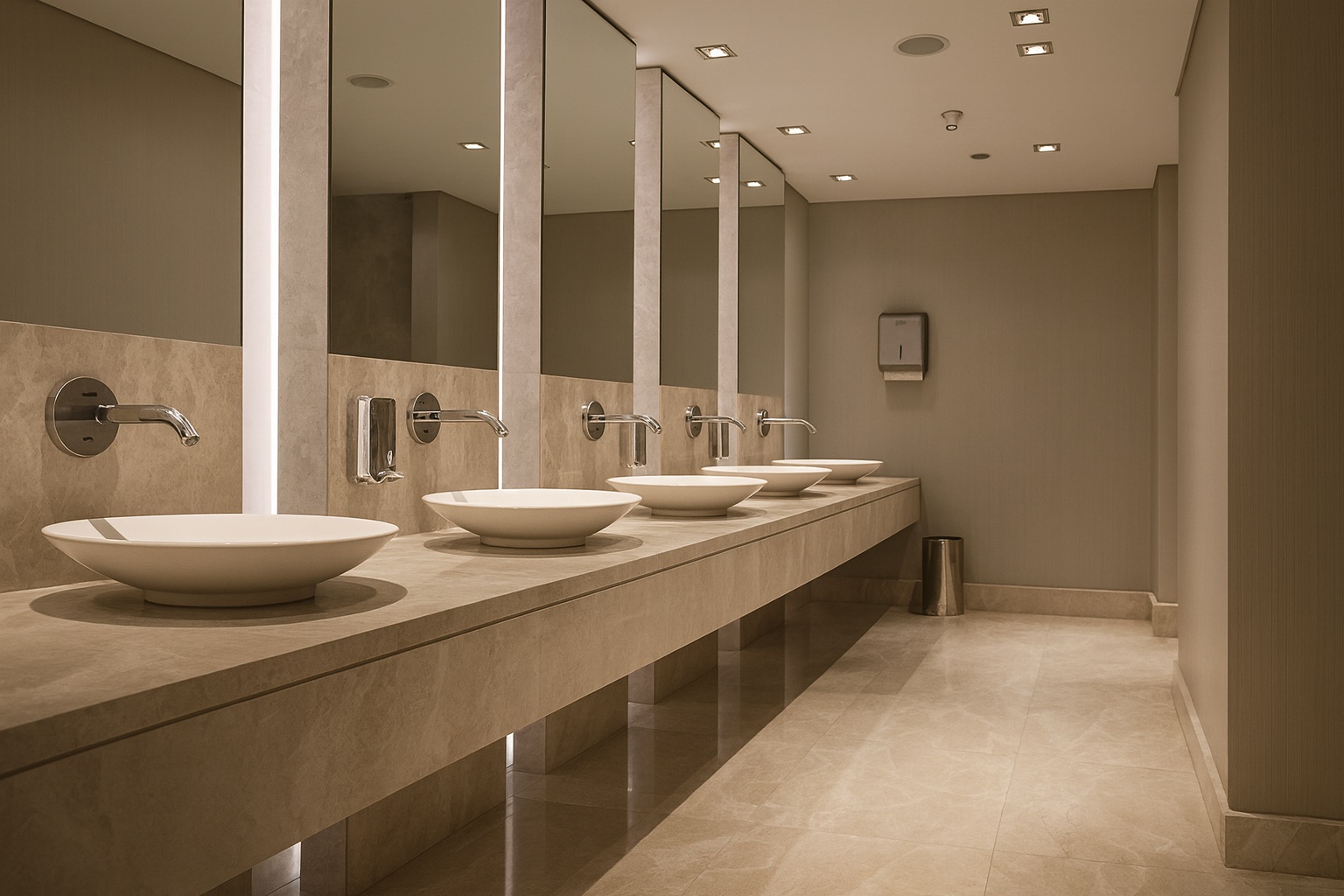
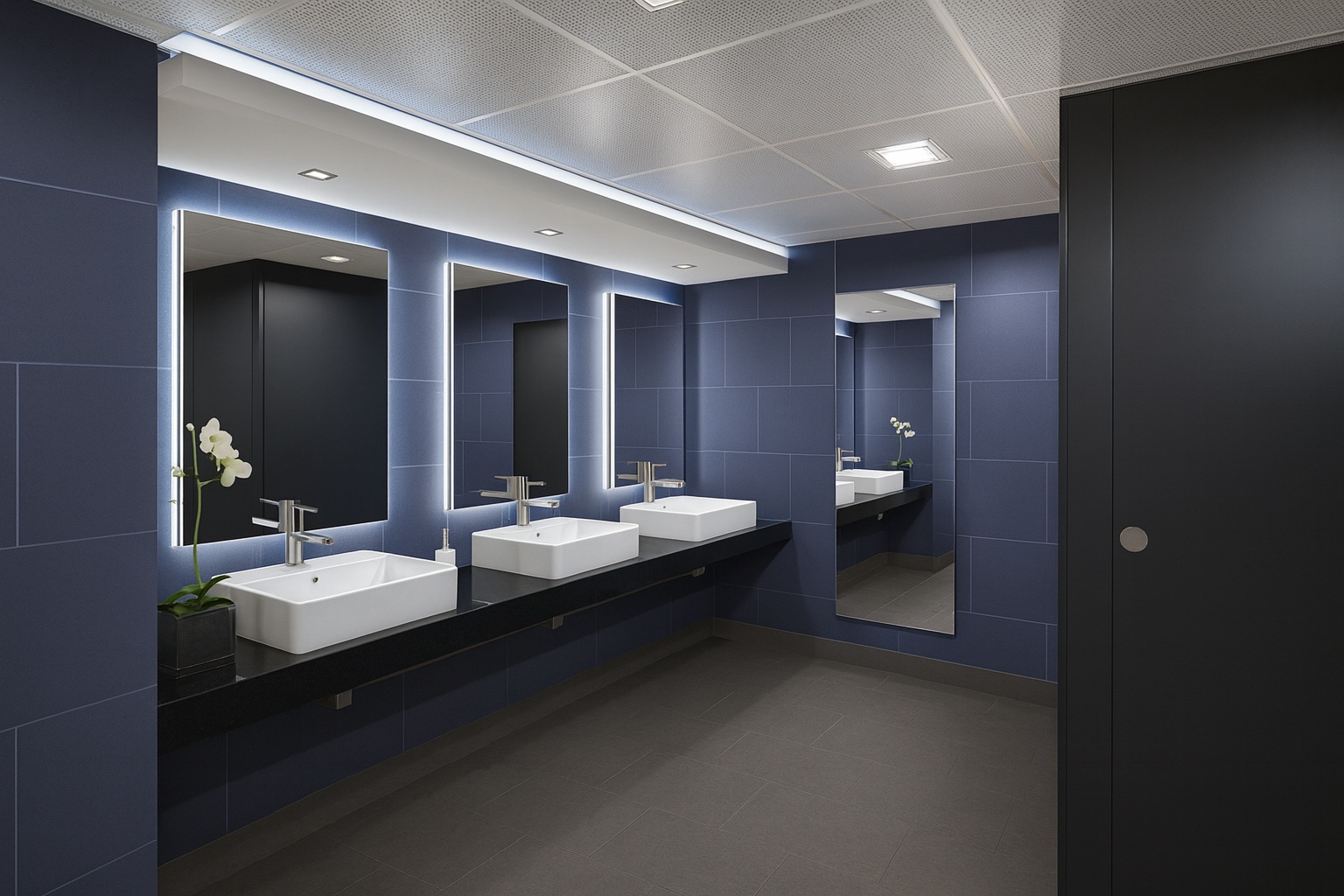
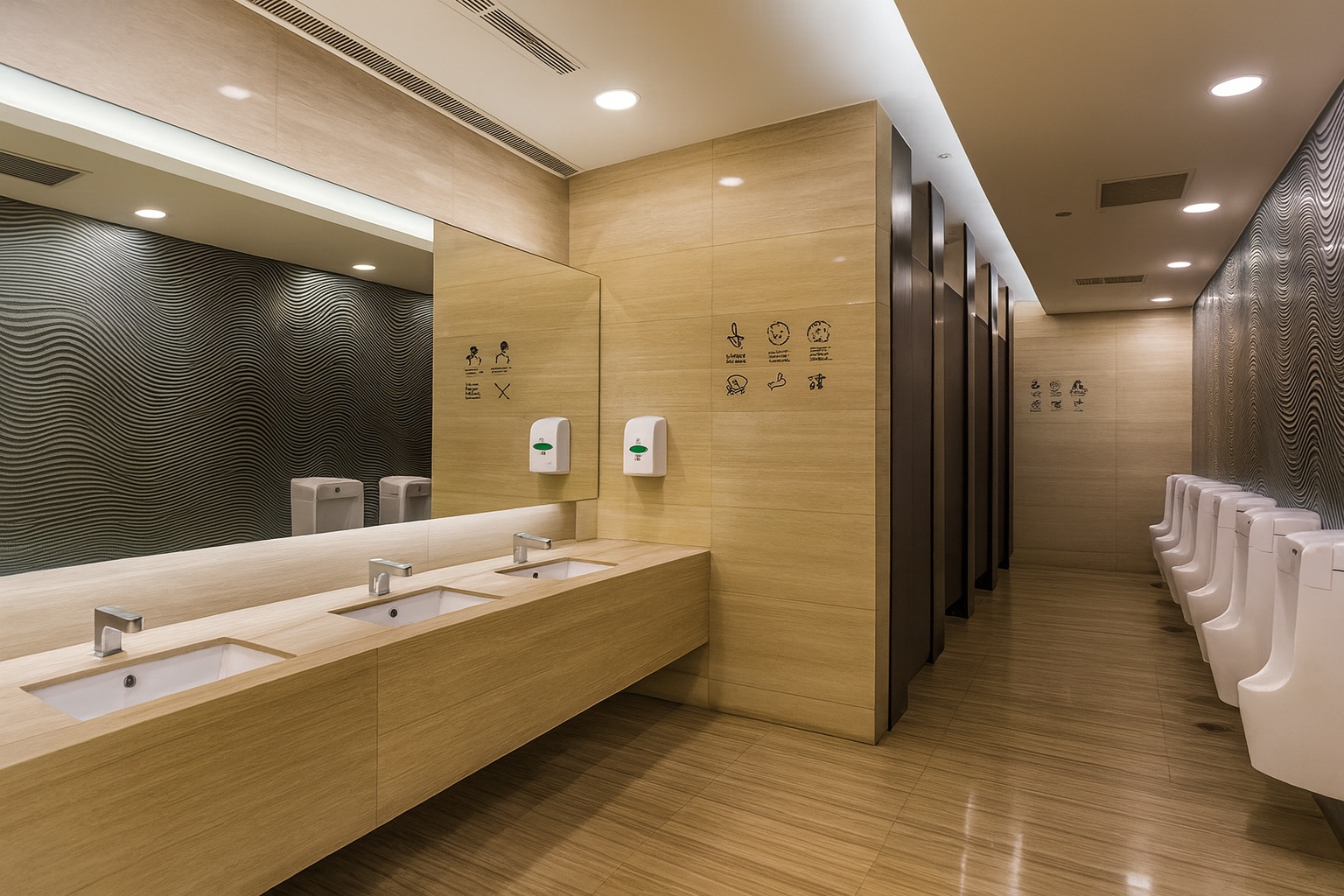
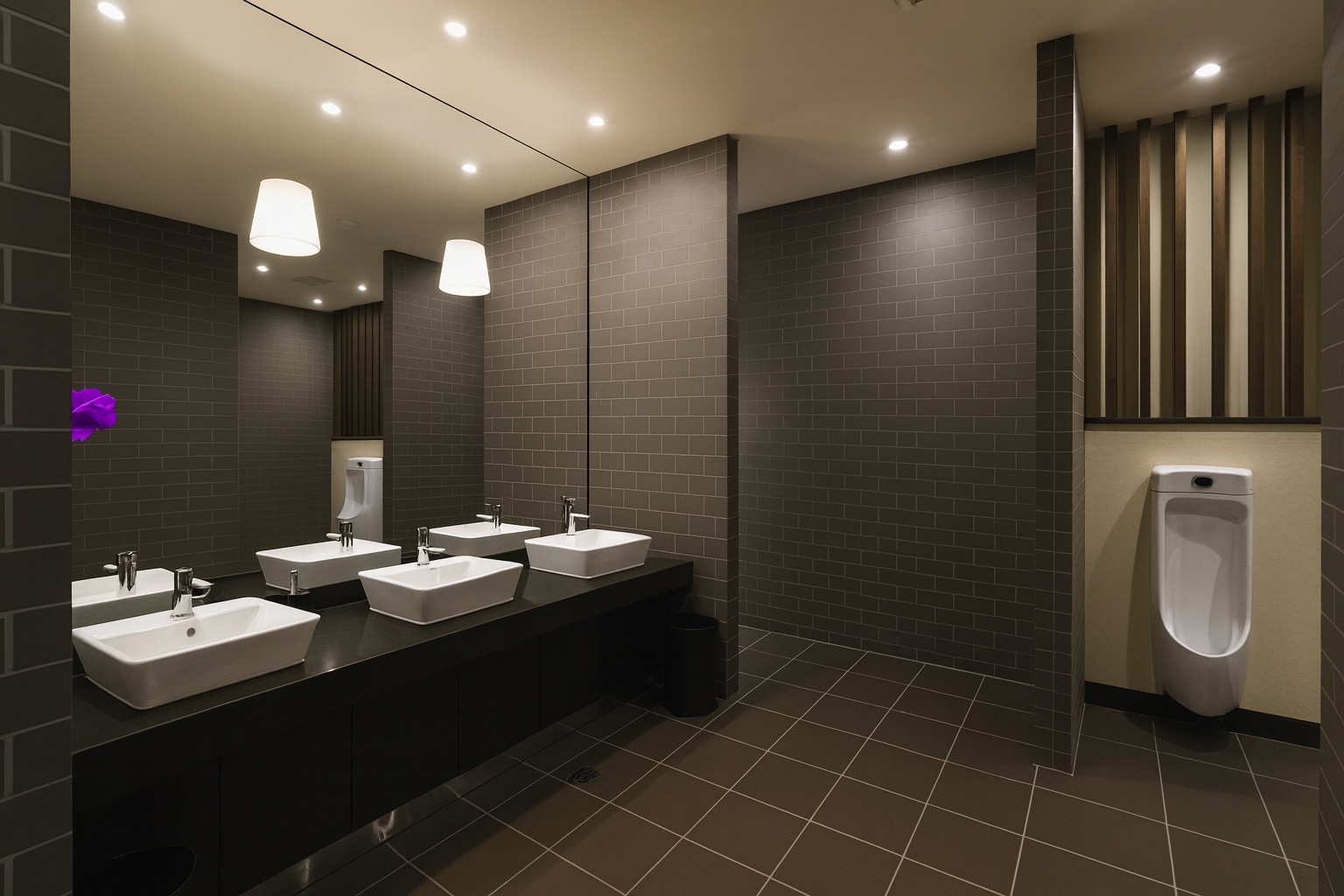
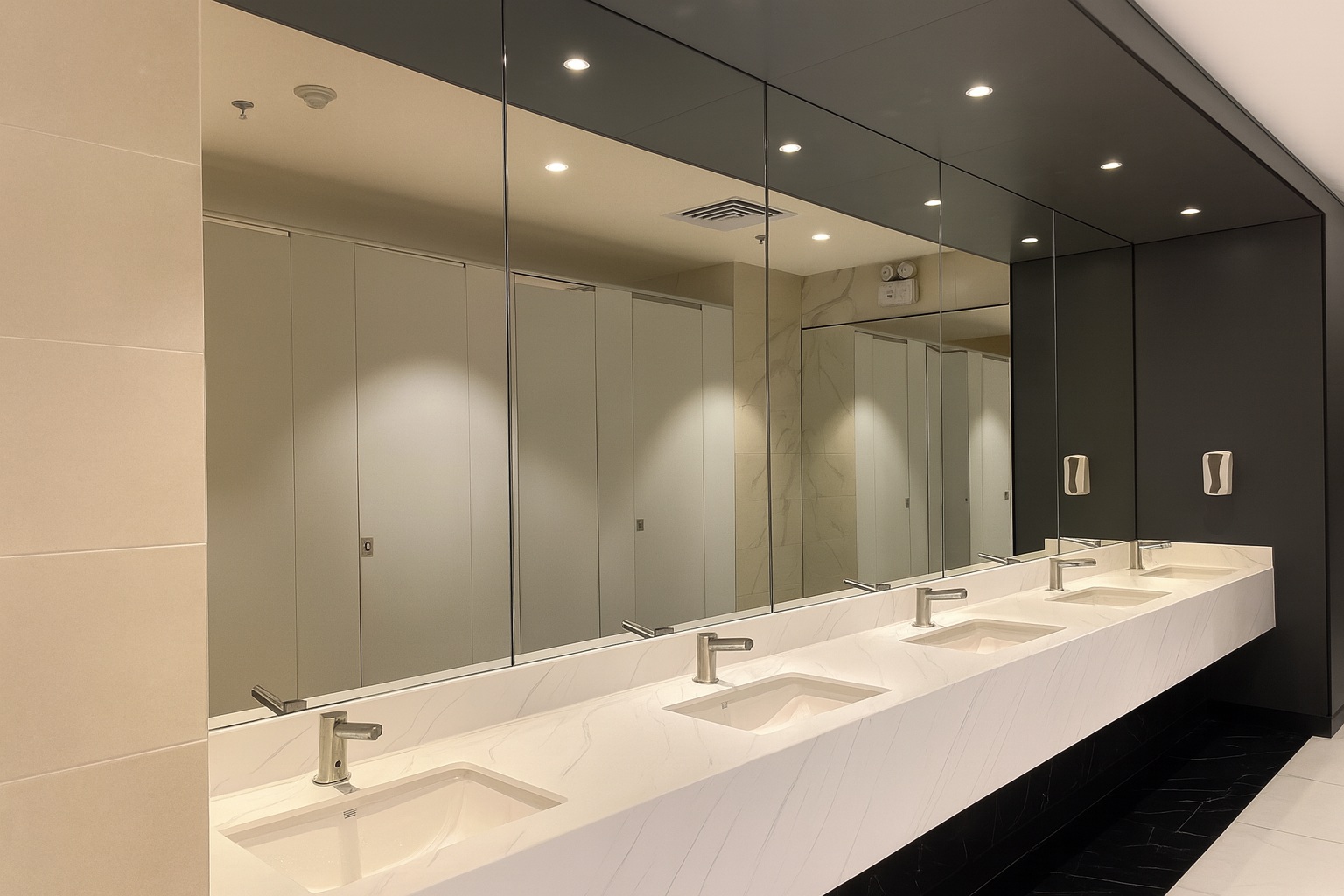
Deploying advanced bathroom fixtures at portfolio scale is most effective when treated as a structured program, not a single event. A disciplined rollout reduces disruption, supports predictable uptime, and gives operations teams time to adapt their maintenance and cleaning workflows.
Combine workshops, concise SOPs, and QR-linked video guides to target consistent repair and adjustment times under 20 minutes for typical interventions.
Implement a zone-by-zone rollout strategy with serialized assets, defined spare pools, and CMMS integration to support reliability at portfolio scale.
Executive Reviews
Theme
Summary
Pilot
Pilot 50–100 fixtures across airports, offices, and food courts to establish baseline KPIs for usage, downtime, clogs, and user feedback before wider deployment.
Optimization
Adjust sensor behavior, dwell times, and purge/thermal schedules. Define standardized spare kits and field procedures to simplify ongoing maintenance.
Training
Hands-on sessions, clear SOP documentation, and QR-accessible videos help drive typical repairs toward sub-20-minute interventions and support service-level objectives.
Scaling
Scale using phased, zone-based deployment tied to a serialized asset registry, spare-part pools, and CMMS automation to maintain visibility and resilience.
Pilot — A limited deployment of 50–100 fixtures across airports, offices, and food courts provides data for future design and procurement decisions.Training — Janitorial and MEP teams gain practical experience with maintenance tasks, reducing downtime and standardizing response procedures.Scaling — Zone-based implementation with serialized assets and CMMS integration supports controlled expansion across large facilities.
Video Showcase
Pilot Testing
Illustrates how a 50–100-fixture pilot, combined with telemetry, generates quantitative KPIs to inform scaling and specification adjustments.
Scaling with Confidence
Walks through zone-based deployment, asset serialization, and CMMS integration as tools for maintaining uptime and compliance across multiple sites.
Quick Spec Guidance
Pilot
Begin with 50–100 fixtures and track KPIs such as usage, downtime, clogs, and complaints. Where available, use telemetry gateways to capture data automatically.
Training
Plan for structured training using workshops, concise SOP cards, and QR-linked micro-learning videos to support consistent maintenance outcomes.
Checklist
Consider materials (stainless/DZR brass), PVD finishes, ToF sensors, IP65 electronics, telemetry options, and ADA/NSF alignment as part of the base specification.
Frequently Asked Questions
Why start with a pilot?
A pilot allows design and operations teams to identify issues early, collect quantitative KPIs, and refine specifications before committing to large-scale deployment.
How are staff trained?
Training typically combines hands-on sessions with laminated SOPs and QR-linked videos so staff can quickly reference procedures during day-to-day operations.
What’s in the checklist?
Core checklist items often include materials (stainless/DZR), PVD finishes, ToF sensors, IP65 electronics, 0.35–0.5 gpm flow options, telemetry readiness, and compliance with ADA, NSF, UL/ETL, and WaterSense where applicable.
How does scaling work?
Scaling is typically carried out zone by zone, with each fixture serialized, supported by defined spare pools and CMMS integration to keep asset data and work orders aligned.
Request Spec Kit & BIM
Access rollout playbooks, specification checklists, and CMMS integration notes to support planning and delivery of large-scale bathroom programs.