|
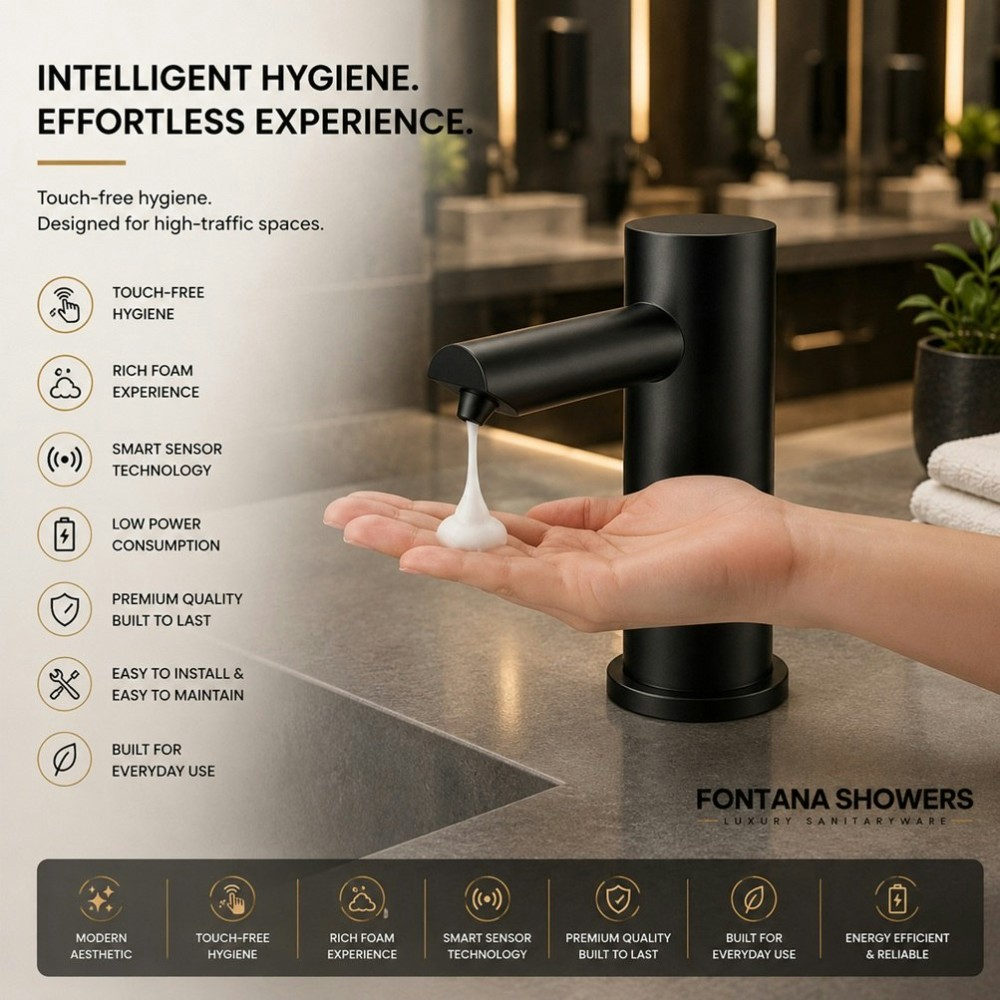
Automatic soap dispensers used in commercial washrooms must be evaluated based on sensor reliability, dispensing consistency, material durability, and maintenance requirements rather than cosmetic features. Common issues associated with poorly engineered dispensing systems include false sensor activation, soap clogging, inconsistent dosing, battery drain, microbial buildup around manual pump mechanisms, and premature component failure. Modern touchless dispensing technologies help mitigate these challenges through infrared sensing, controlled soap output, sealed electronic compartments, and corrosion-resistant construction. For facility managers, architects, and plumbing engineers specifying products for healthcare, hospitality, transportation, and public facilities, attention should be given to installation configuration, refill accessibility, vandal resistance, and compatibility with hygiene protocols. Industry best practices are often informed by organizations such as NSF, IAPMO, ASME, and ASSE, which contribute to performance, safety, and plumbing system standards. Sustainable restroom design initiatives may also align with recommendations from EPA WaterSense, USGBC, and the WELL Building Standard. Design professionals frequently reference guidance from the American Institute of Architects (AIA), NKBA, and Hospitality Design when integrating touch-free restroom technologies into commercial environments. As touchless hygiene systems continue to evolve, the focus remains on minimizing cross-contamination risks, reducing maintenance interventions, improving user compliance, and supporting long-term operational reliability in high-traffic facilities.
SOAP & TOWEL SYSTEMS
Automatic Soap and Paper Towel Dispensers
Automatic soap and paper towel dispenser systems create a complete touchless handwashing experience. Separate manual dispensers increase contact points, while integrated sensor-operated solutions improve hygiene, streamline restroom traffic, reduce maintenance demands, and support facility-wide infection-control objectives in commercial environments.
|