Commercial Restroom Preventive Maintenance Plan
Monthly Inspections • Quarterly Internal Service • Annual Calibration Review • Downtime Reduction Framework
FontanaShowers® | Commercial Urinal Auto Flush Systems
Preventive Maintenance Plan
A structured preventive maintenance plan reduces emergency repairs, controls water waste, and protects restroom uptime in
high-traffic buildings. For auto flush urinal systems, focus on sensor clarity, flush timing consistency, diaphragm health,
and service access strategy (recessed vs exposed). Confirm supply stability and validate that internal assemblies remain
serviceable without wall demolition. Use scheduled inspections to catch early failures before they become downtime events.
Facility Manager Ready
Uptime Focused
Serviceable Internals
High-Traffic Planning
Use routine inspections to identify early issues: sensor residue, timing drift, diaphragm wear, and pressure-related performance changes.
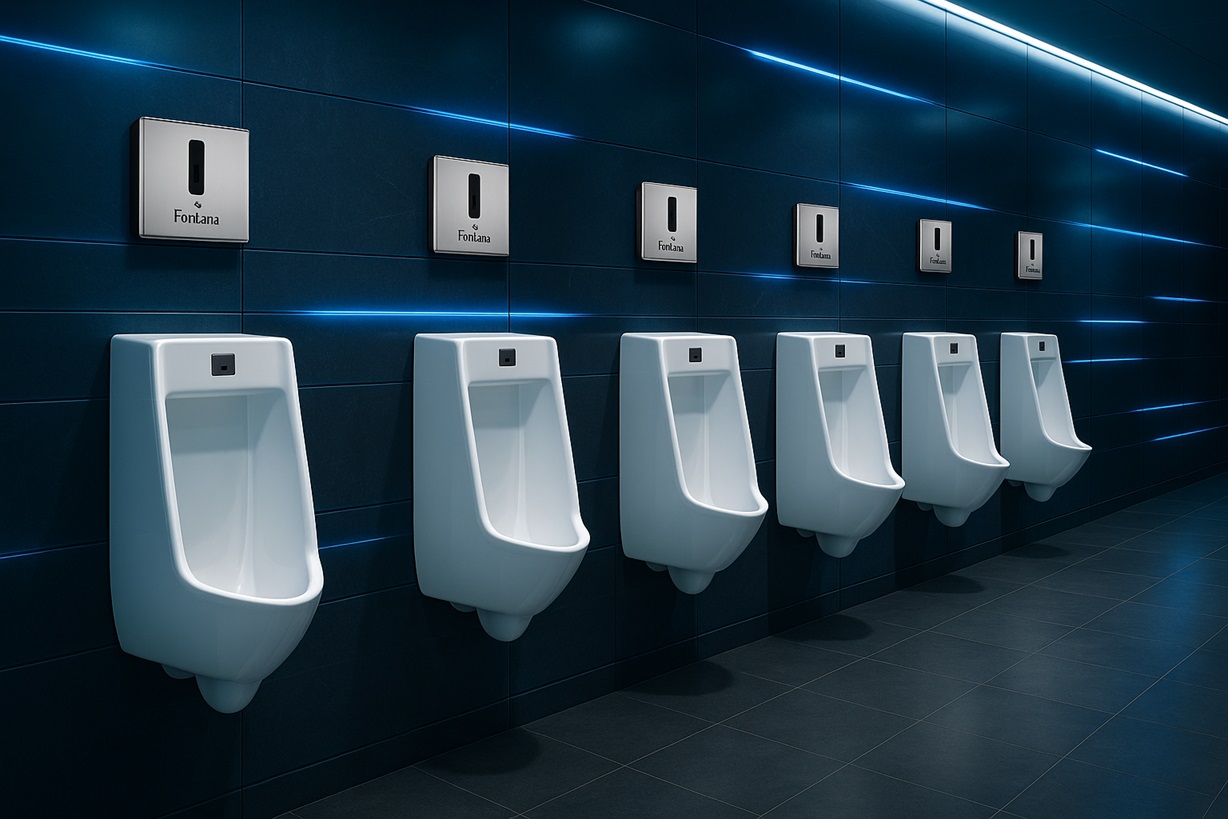
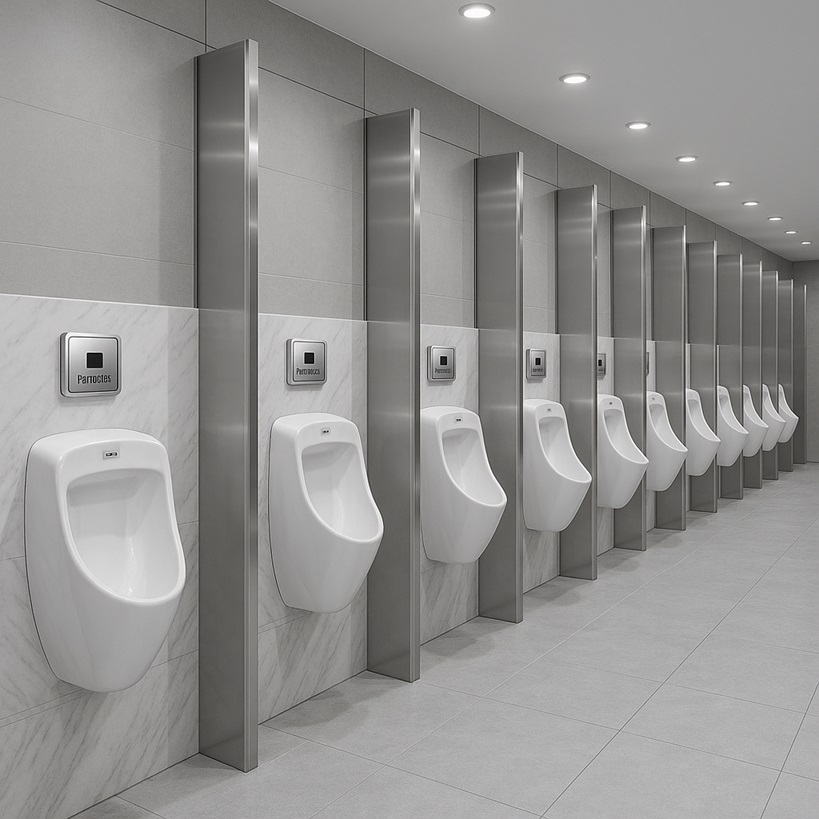
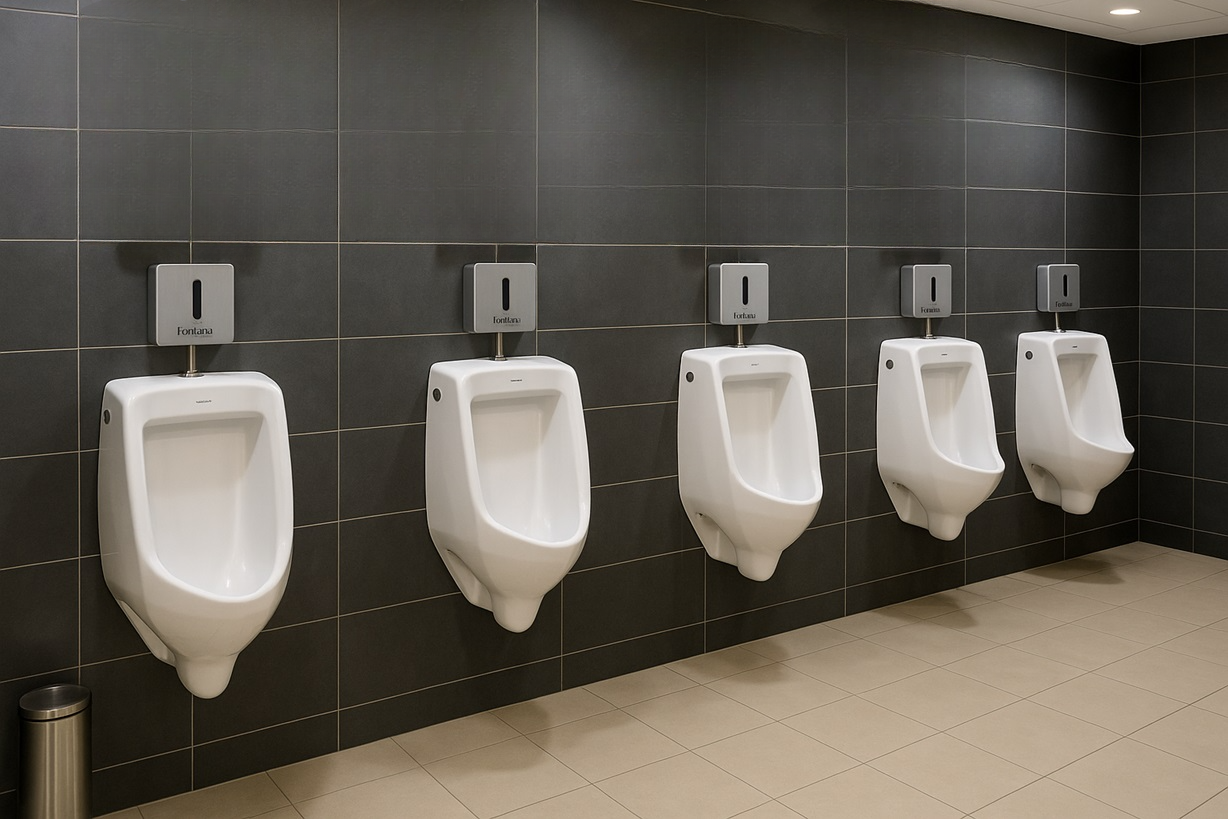
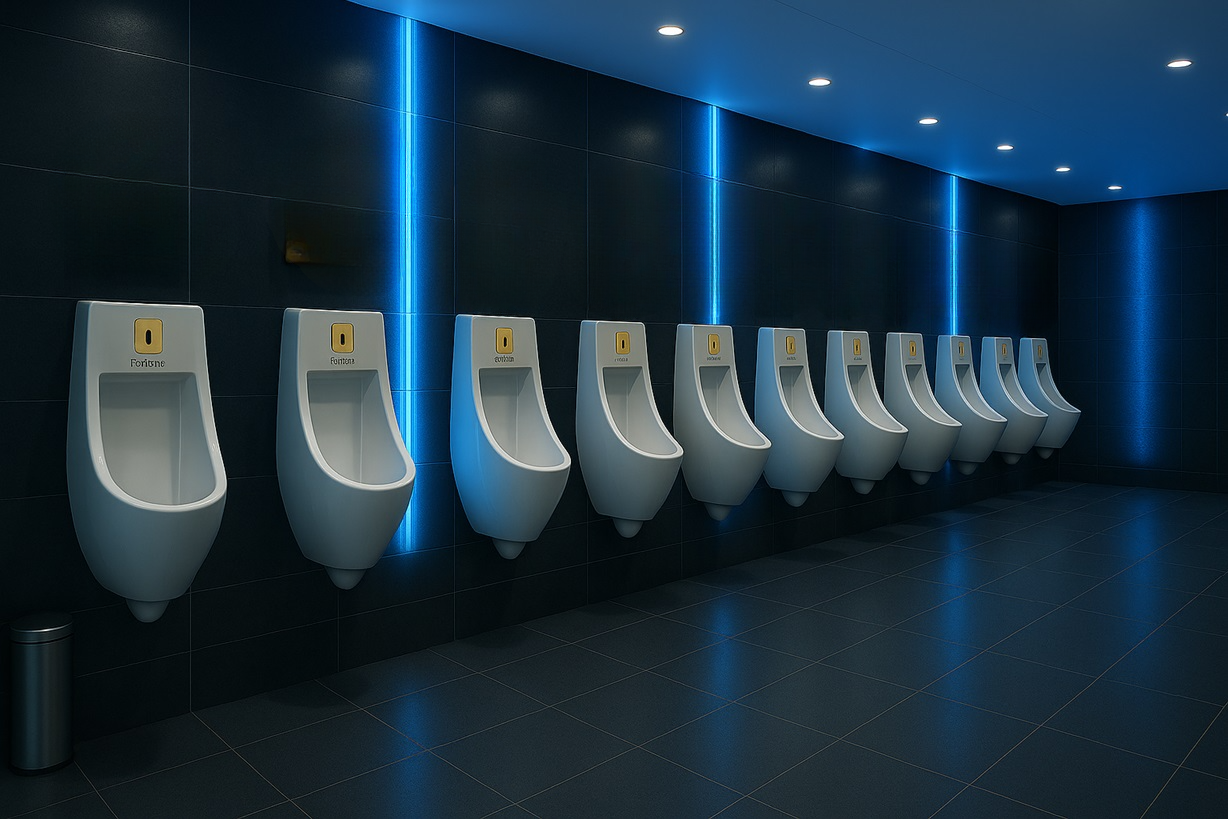
Design & Technical Visuals
|
|
|
Specify, validate, and maintain sensor-operated flushing with an engineering-first resource stack that covers product selection, compliance, lifecycle economics, and field service. Start with the core collections for
sensor-driven flush platforms and
commercial urinal flush assemblies, then drill into
Auto-Flush Systems design criteria—sensor logic, flush timing, activation distance, power architecture (battery vs hardwired), and retrofit compatibility—supported by the
10-Year Lifecycle Cost Analysis for TCO modeling (water use reduction, battery replacement intervals, maintenance labor, and downtime risk). For AEC submittals, integrate the
Specifier Submittal Package with performance documentation such as
Recessed Flushometer Performance and the full
Commercial Flush Systems library, including the
commercial touchless flush families (FlushNet / ProConnect / CoreReact / FlowSyn) for spec-grade applications in airports, schools, healthcare, and other high-traffic environments. Compliance and code-alignment guidance is available via the
ADA & ASSE compliance guide, with efficiency/operations context in
water-waste reduction analysis and decision support in
recessed vs exposed flushometer comparisons; additional technical references and application notes are available
here,
here, and
here. For installers and facility teams, use the hands-on field documentation covering
recessed installation,
anti-vandal / tamper-resistant selection,
power-supply and lifecycle performance tradeoffs,
diagnostics and troubleshooting,
smart sensor control technology, and
low-maintenance uptime strategies
to reduce nuisance flushing, optimize water consumption, and keep high-traffic restrooms operational with predictable service intervals.
|
|
|