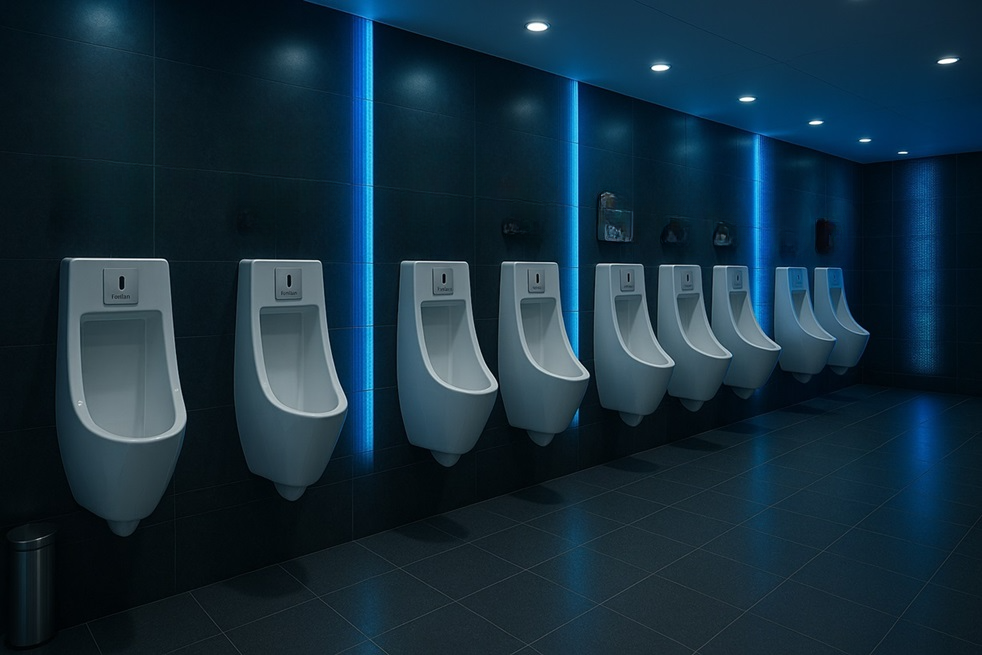
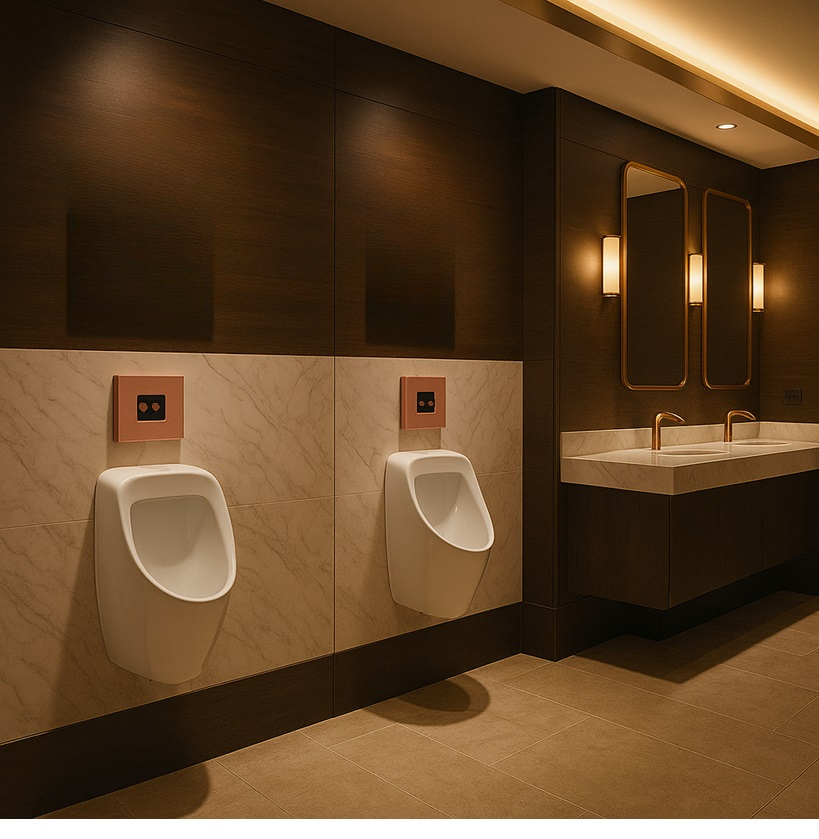
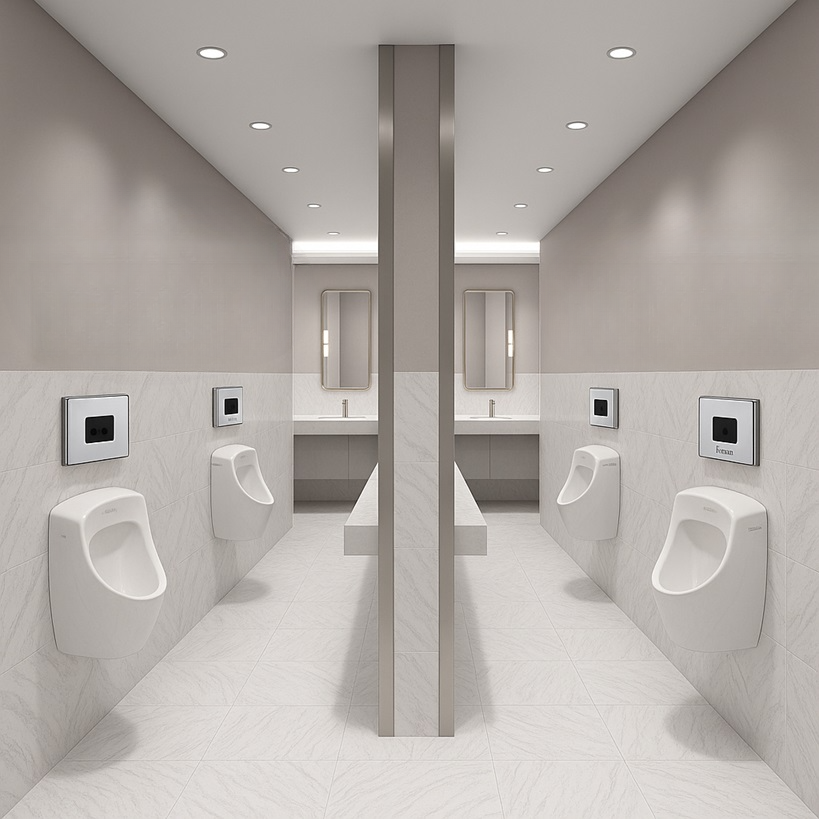
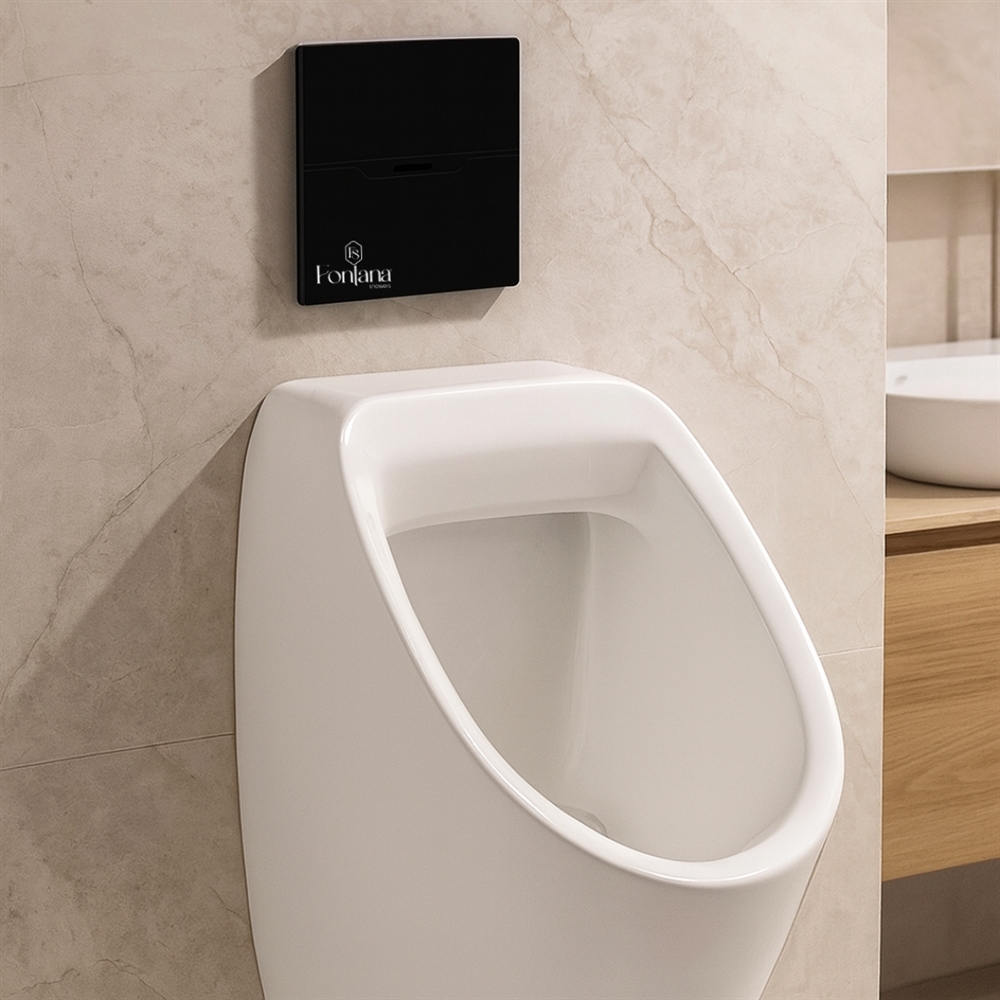
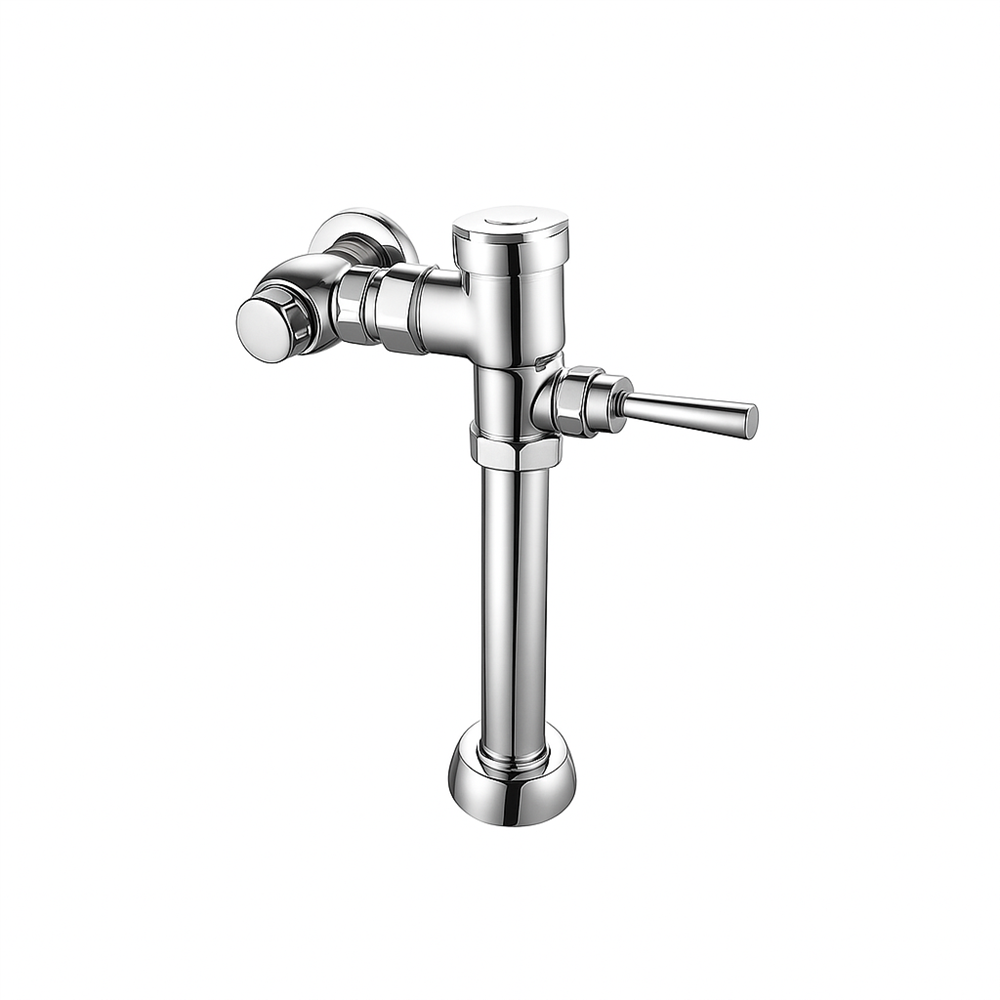
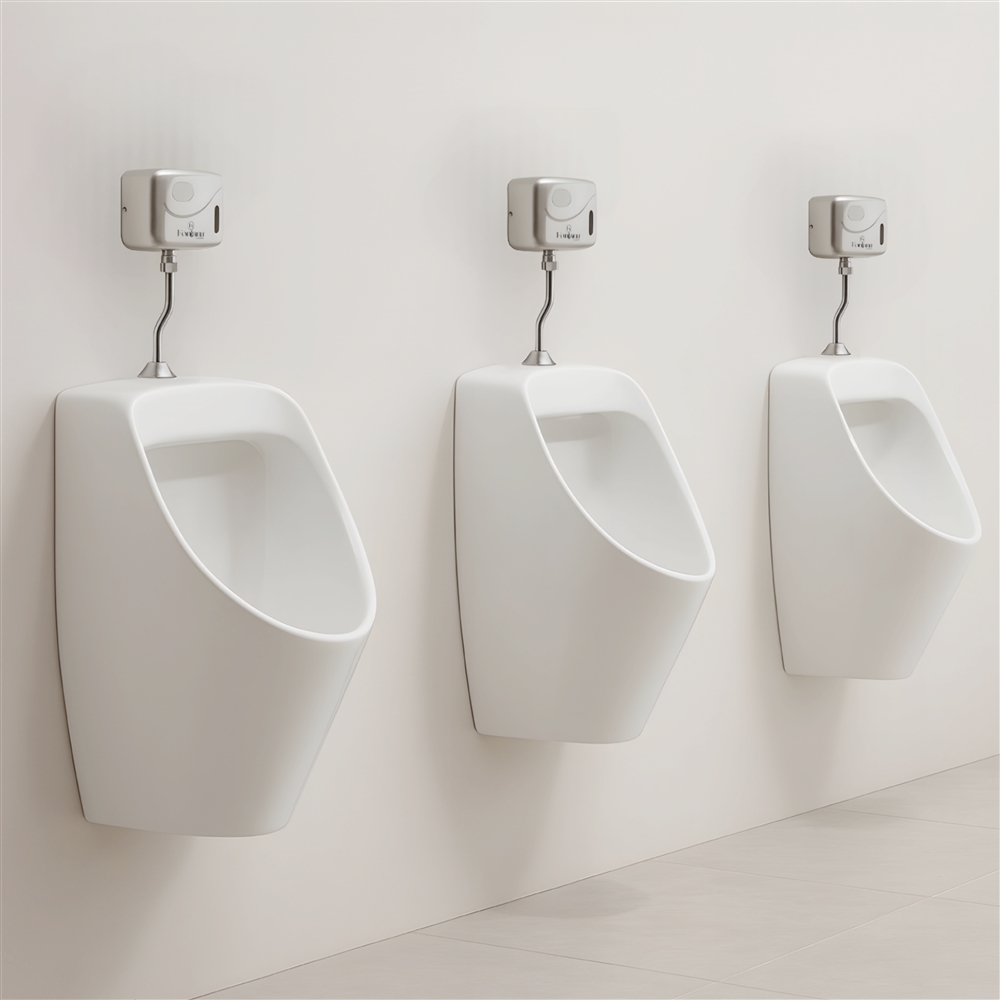
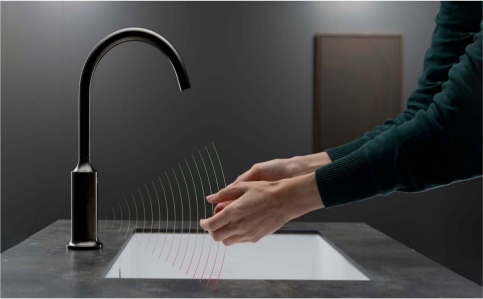
The main category for spec-grade urinal flush solutions built for commercial projects that need durability, sensor consistency, and long-term restroom performance.
A strong starting point for teams specifying commercial flush systems in high-use facilities. This category helps compare solutions for durability, serviceability, and reliable sensor response in offices, schools, transportation hubs, airports, and public buildings where fixture consistency matters every day.
Helps teams move beyond upfront price and evaluate long-term ownership value. Water use, maintenance cycles, battery replacement, downtime, service labor, and durability all influence the real cost of ownership in busy commercial restroom environments.
Supports architects and design teams that need practical documentation for product review, specification, and coordination. It helps bridge the gap between product discovery and actual project execution in specification-driven commercial work.
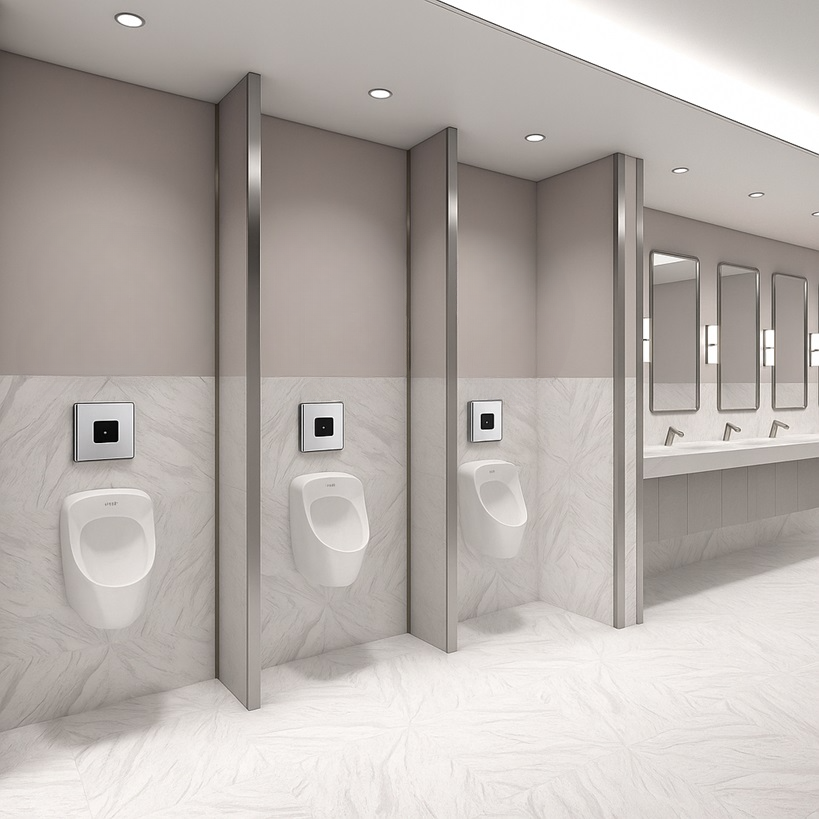
Useful for projects where appearance, wall profile, protected installation, or vandal resistance influence fixture selection. Performance-focused guidance helps teams understand how recessed systems fit operational needs while supporting visual and spatial design goals.
Organizes the commercial touchless flush ecosystem into multiple series so project teams can better match restroom solutions to building type, design goals, maintenance expectations, and long-term performance requirements.
Sensor-operated flushing matters because modern commercial restrooms need more than basic function. They need to support hygiene, reduce water waste, simplify maintenance, and perform consistently in high-traffic settings. Fontana’s ecosystem helps connect product discovery with lifecycle thinking, design support, and practical operational guidance so project teams can make better-informed decisions from selection through long-term use.
Helps specifiers evaluate visual integration, service access, and installation preferences across different project types.
Frequently Asked Questions
Why are sensor-operated flush systems important in commercial restrooms?
They help reduce touchpoints, support more consistent fixture use, improve restroom hygiene, and contribute to better water management in high-traffic commercial settings.
Why should teams look at lifecycle cost instead of only purchase price?
Initial cost is only one part of system value. Water consumption, maintenance frequency, battery replacement, downtime, and labor all affect long-term ownership cost.
When is recessed flushometer guidance most useful?
It is especially useful in projects where wall profile, protected installation, visual cleanliness, or anti-vandal performance influence system selection.
What makes this ecosystem valuable for multiple project stakeholders?
It supports more than product browsing. Architects, owners, contractors, and maintenance teams can all use connected resources for specification, installation, lifecycle planning, and service support.
Explore the Full Resource Ecosystem
Review product categories, lifecycle planning tools, specification support, technical references, and field guidance for commercial sensor-operated flushing projects.
1. What makes Fontana’s sensor-operated flushing systems “spec-grade” for commercial use?
Fontana’s sensor-operated flushing systems are classified as spec-grade because they are engineered for continuous operation in high-traffic commercial environments such as airports, hospitals, and office complexes. These systems utilize solid brass valve bodies, high-cycle solenoids, and pressure-compensating diaphragm assemblies to ensure consistent performance across a wide range of water pressures. Unlike light-duty systems, they are designed to withstand hundreds of thousands of flush cycles without performance degradation. Additionally, they comply with key industry standards such as ASSE 1037 and ADA requirements, ensuring reliability, safety, and accessibility in demanding installations.
2. How does the infrared sensor system accurately detect users and prevent false flushing?
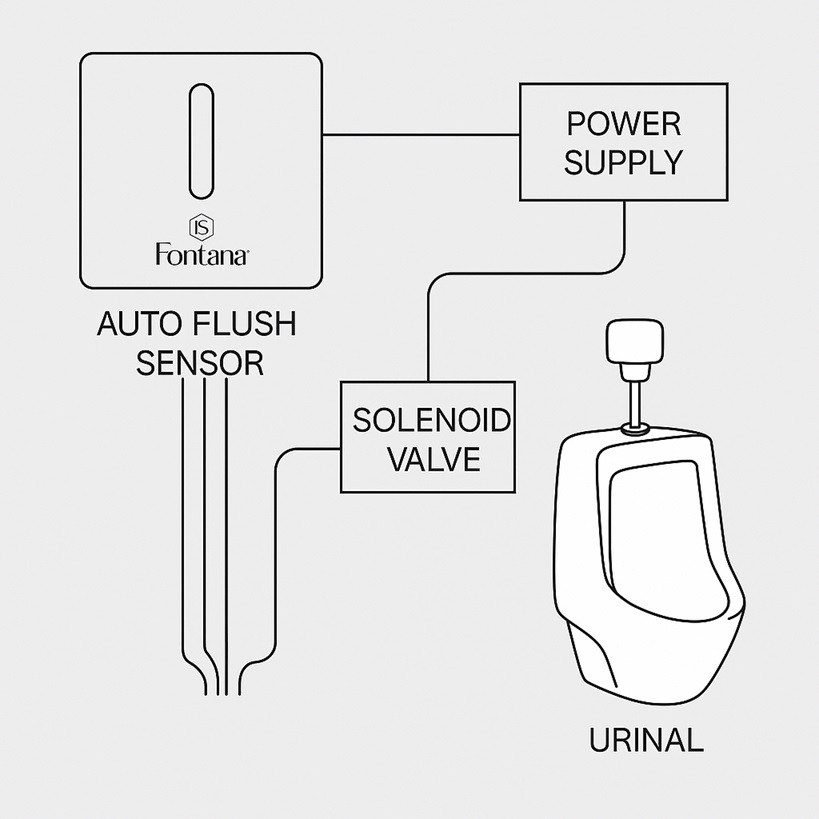
The infrared sensing system in Fontana flush valves operates by emitting continuous IR signals and measuring their reflection from nearby objects. When a user enters the detection range, the reflected signal is processed by a microcontroller that confirms presence based on signal strength and duration. Once the user leaves the area, the system initiates a controlled delay before triggering the flush, preventing premature activation. Advanced filtering algorithms are used to ignore transient reflections from moving objects or changes in ambient lighting, ensuring accurate detection and minimizing false flush events even in high-traffic or variable lighting environments.
3. What is the function of the solenoid valve within the flushing system?
The solenoid valve acts as the critical interface between the electronic sensor system and the mechanical flushing mechanism. When the sensor detects that a user has exited the fixture area, it sends a signal to energize the solenoid coil, which generates a magnetic field that lifts an internal plunger. This action allows water pressure to act on the diaphragm assembly, initiating the flush cycle. The solenoid is designed for rapid response, low power consumption, and long operational life, making it suitable for continuous use in commercial restroom environments where reliability is essential.
4. How does the diaphragm mechanism ensure consistent flush performance under varying water pressure?
The diaphragm mechanism regulates water flow by maintaining a controlled pressure differential between two chambers inside the valve. When activated, the diaphragm lifts due to pressure imbalance, allowing water to flow into the fixture. The system includes calibrated bypass orifices that control how quickly pressure equalizes, which determines the duration and volume of the flush. This design ensures that flush performance remains consistent regardless of fluctuations in supply pressure, providing reliable operation in buildings where water pressure may vary throughout the day.
5. What power configurations are available, and how do they affect reliability and maintenance?
Fontana systems are available in battery-powered, hardwired, and hybrid configurations, each designed to suit different installation requirements. Battery-powered units are ideal for retrofit projects because they eliminate the need for electrical wiring and offer long battery life, often lasting several years depending on usage. Hardwired systems provide continuous power from the building’s electrical supply, making them suitable for high-traffic environments where uninterrupted operation is critical. Hybrid systems combine both approaches by including battery backup, ensuring the system continues to function during power outages and enhancing overall reliability.
6. How do these systems contribute to water efficiency and sustainability goals?
Fontana sensor-operated flush systems are designed to optimize water usage through precise control of flush volume and duration. By using calibrated diaphragm assemblies and electronic timing controls, the systems deliver only the necessary amount of water per flush, significantly reducing waste. Many models support low-flow configurations and optional dual-flush functionality, which further enhances efficiency. These features help facilities meet EPA WaterSense standards and contribute to LEED certification by reducing overall water consumption without compromising performance.
7. Can Fontana flushing systems integrate with smart building or facility management systems?
Yes, advanced Fontana systems can be integrated into building management systems (BMS) and smart facility platforms, allowing for centralized monitoring and control. These integrations enable the collection of operational data such as flush counts, usage patterns, battery status, and system diagnostics. Facility managers can use this data to implement predictive maintenance strategies, optimize restroom usage, and reduce operational costs. This level of connectivity transforms the flushing system into an intelligent component of a larger smart building infrastructure.
8. How do sensor-operated flushing systems improve hygiene and infection control?
Sensor-operated flushing systems significantly enhance hygiene by eliminating the need for users to physically touch flush handles, thereby reducing the spread of germs and cross-contamination. Fontana systems also support programmable automatic flush cycles that prevent water stagnation in pipes, which can reduce the risk of bacterial growth. These features are particularly important in healthcare facilities, laboratories, and other environments where maintaining high sanitation standards is critical.
9. What are the key installation and compatibility requirements for these systems?
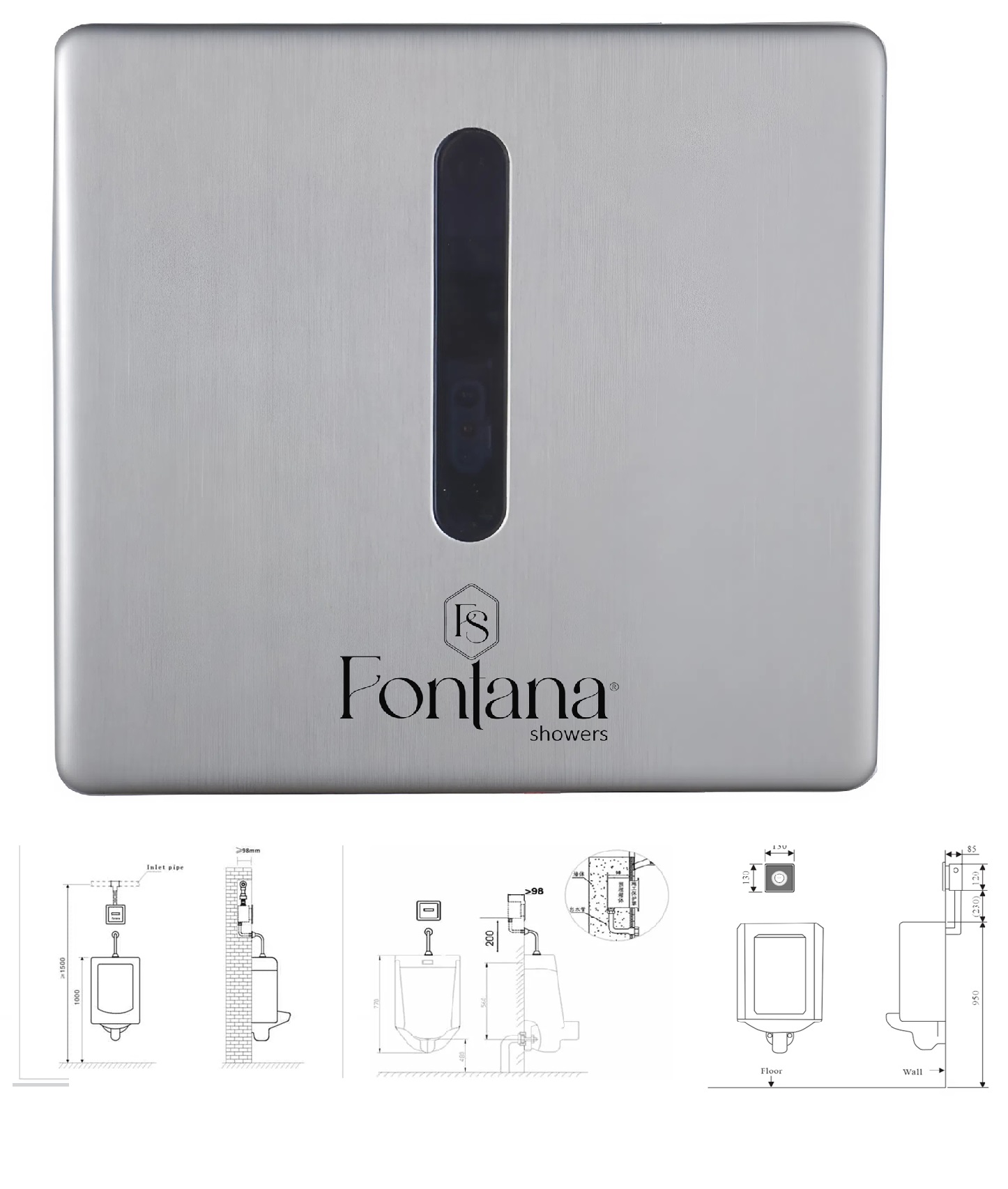
Installation of Fontana sensor-operated flush systems requires proper alignment with both plumbing and electrical specifications. The systems are designed to operate within standard commercial water pressure ranges, typically between 20 and 125 PSI, and must be connected to appropriately sized supply lines. Battery-powered units require minimal electrical setup, while hardwired systems must be connected to a low-voltage power source with proper waterproofing. Additionally, sensor placement must comply with ADA accessibility guidelines to ensure usability for all individuals.
10. What are the long-term cost and maintenance advantages of using Fontana’s ecosystem?
Although the initial investment in spec-grade sensor-operated systems may be higher than traditional manual flush valves, the long-term benefits include reduced water consumption, lower maintenance costs, and extended component lifespan. The modular design of Fontana systems allows for quick replacement of parts such as solenoids and diaphragms, minimizing downtime and labor costs. In high-traffic facilities, these efficiencies can result in a return on investment within a relatively short period, making the system a cost-effective solution over its lifecycle.