Industry Insights
Touchless fixtures are most useful when they are specified as a system, not as isolated products. The faucet, soap dispenser,
and flush controls all influence how people move through the room, how easy the room is to clean, and how consistent the user
experience feels from one sink to the next.
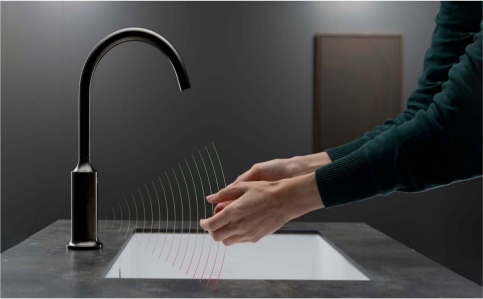
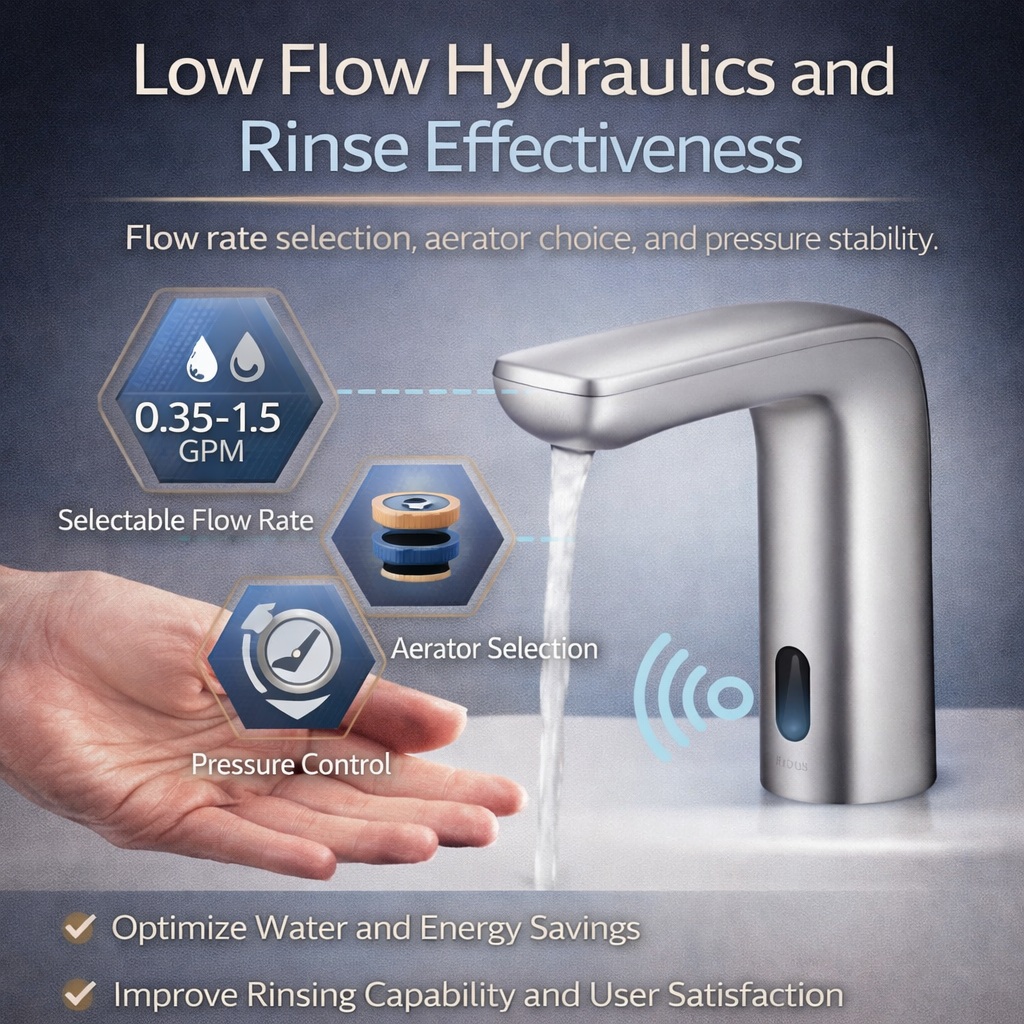
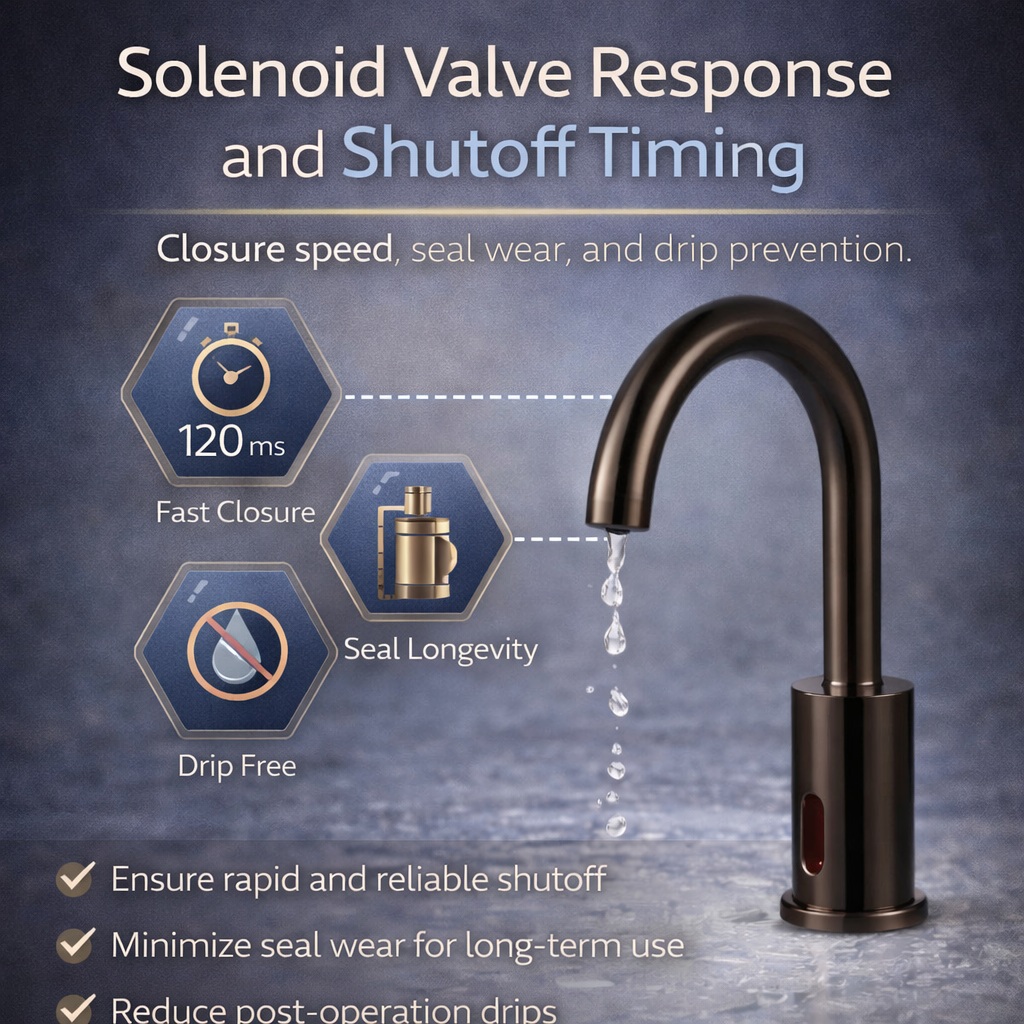
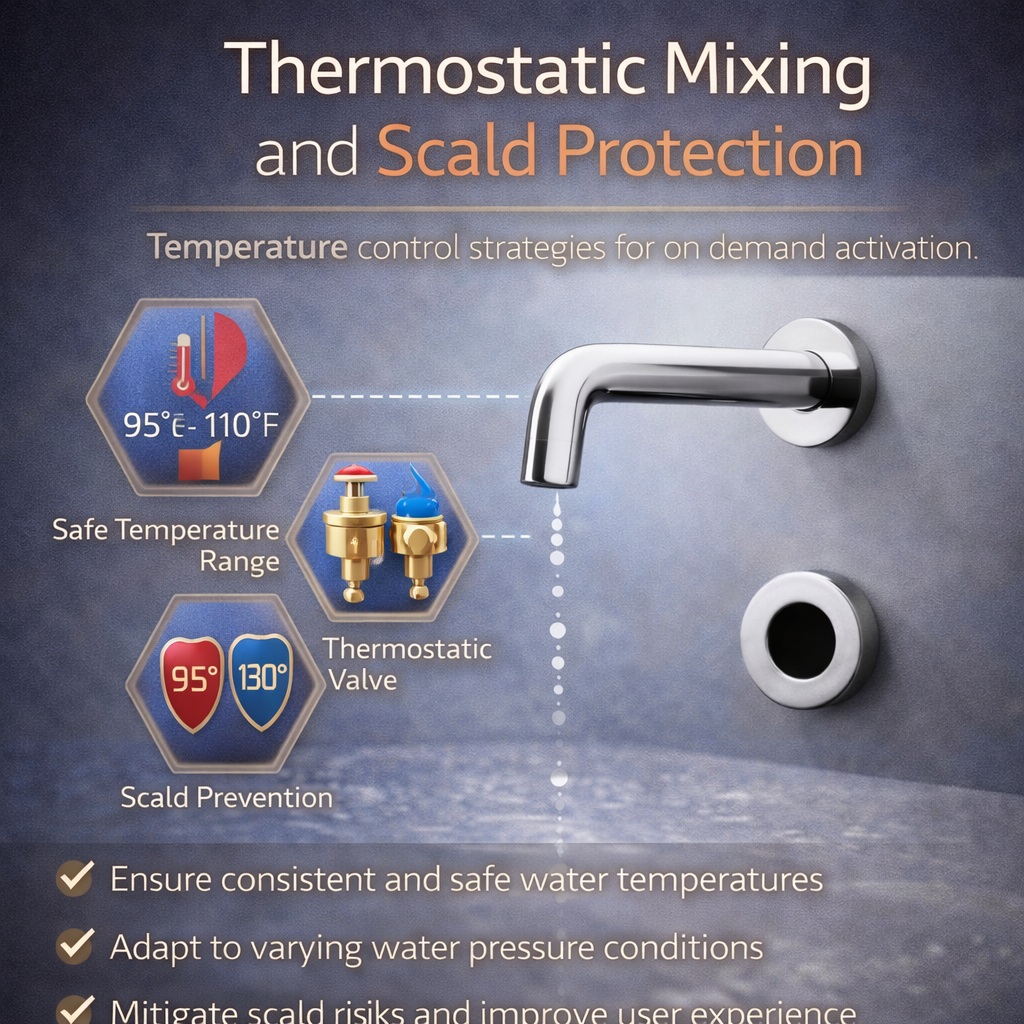
For sensor faucets, the practical spec questions are repeatability and service access. A good selection strategy is to standardize
on one or two faucet families per building, then keep mounting height, spout reach, and sensor aiming consistent across multi sink
runs. That reduces splash issues and helps maintenance teams troubleshoot faster.
Soap systems often drive maintenance outcomes more than teams expect. Standalone dispensers are simple to deploy, while hygienic
focused lines can prioritize cleaner dosing behavior. Multi feed approaches can reduce refill labor in high occupancy facilities,
but they require planning for routing, refill access, and a clear maintenance routine.
Automatic flush controls support touch reduction and can help align with water management goals, especially in restrooms that see
constant turnover. For retrofits, pay attention to compatibility with existing fixtures and confirm how service access will work
after installation.
The best outcomes come from making a short list of categories, then narrowing to a small set of models that cover the building’s
common conditions. Once the model set is stable, it is easier to coordinate finishes, reduce spare part variety, and keep the
facility looking consistent over time.




 Touchless Sensor Faucets
 Commercial Automatic Sensor Faucets
 Wall-Mount Sensor Faucets
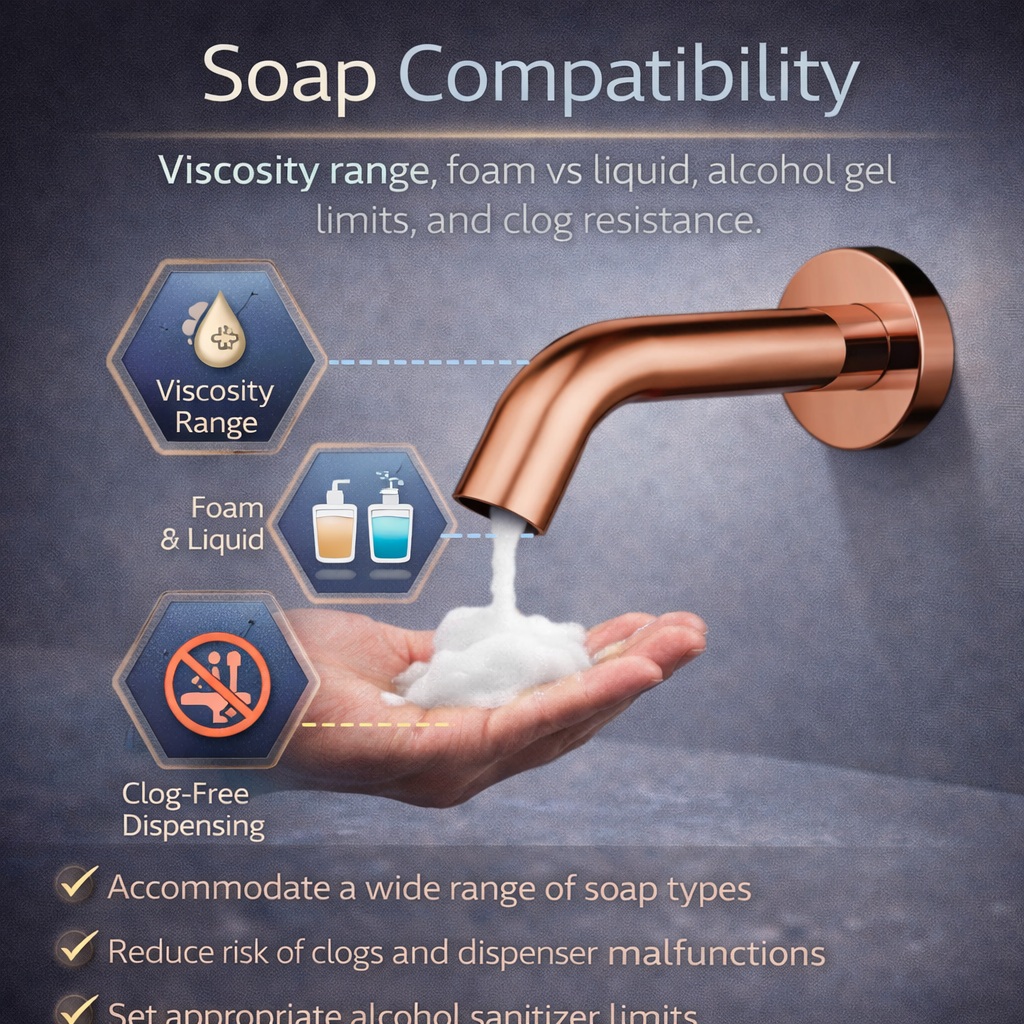 Automatic Soap Dispensers
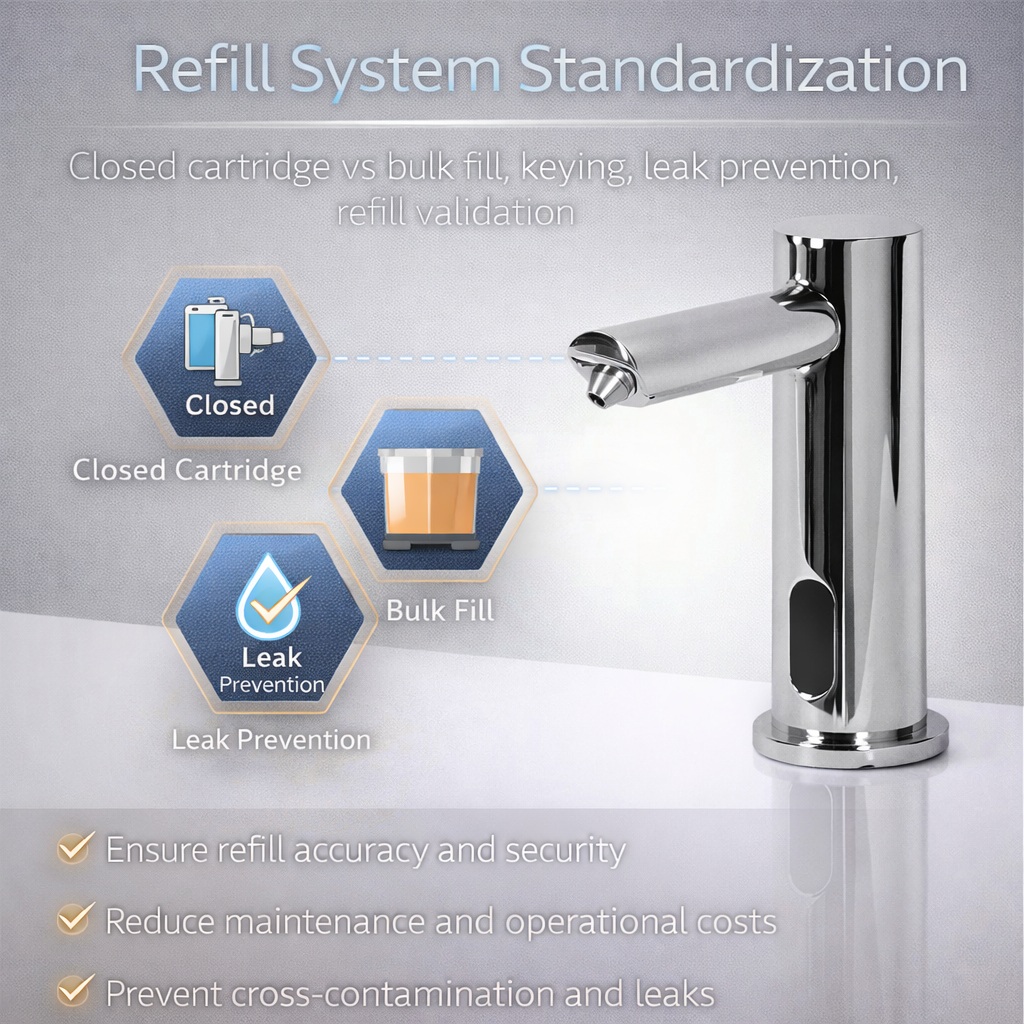 Automatic Soap Dispensers (Hygienic)
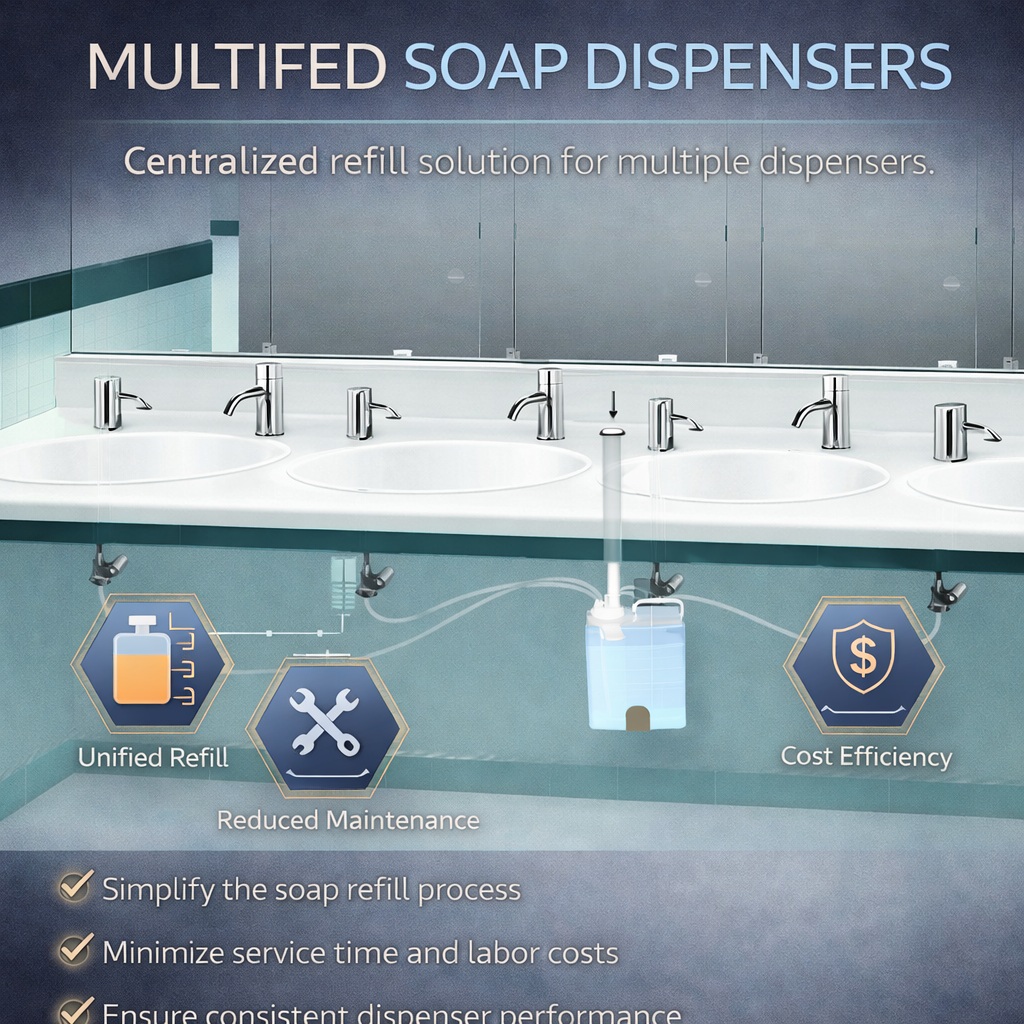 Multi-Feed Soap Systems
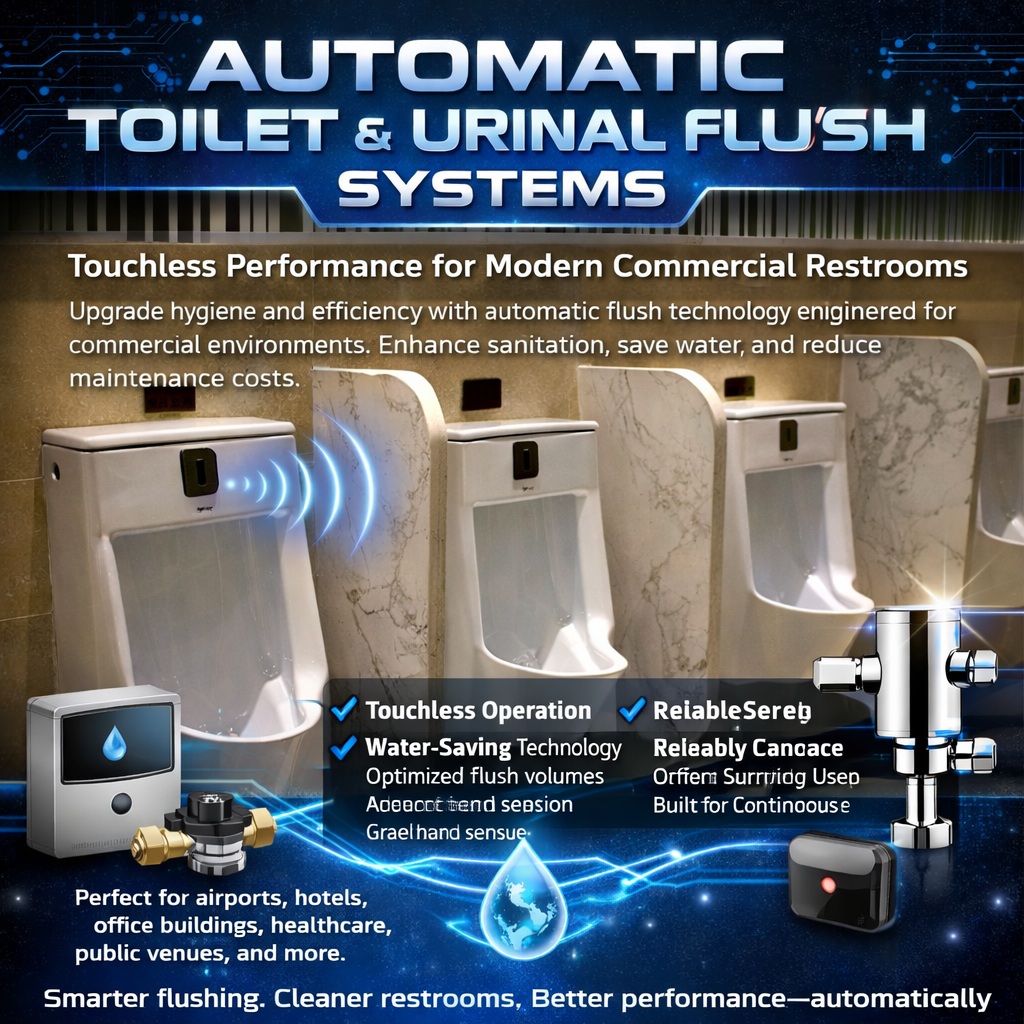 Automatic Toilet & Urinal Flush
 Architectural Design Faucet Models