|
Skip to products
Category Description
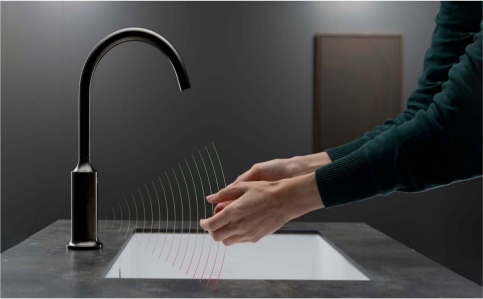
AC-powered sensor soap dispensers deliver continuous duty performance for high-traffic facilities. Typical input is AC 110–240V with a low-voltage adapter; many models include dual-power (AC/DC) as redundancy. For contractors, the advantages are predictable service intervals, no battery swaps, and centralized access beneath the deck. For engineers, IR sensor logic, adjustable dosing, and BIM/spec files support coordinated submittals.
- Ideal for airports, hospitality, corporate campuses, education, healthcare, and transportation hubs.
- Deck- and wall-mount options; viscosity ranges typically 1–3500 cP (check spec sheet).
- Common deliverables: specification sheet, installation instructions, BIM/Revit family, warranty.
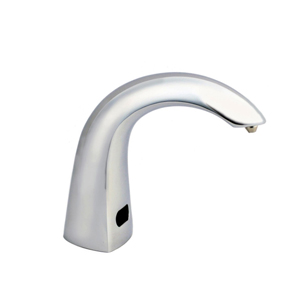
FS9837DP — AC Powered Soap Dispenser (Deck)
Deck-mount IR sensor dispenser; AC 110–240V adapter, adjustable dosing, chrome brass spout.
Product Page
Spec Sheet (PDF)
BIM / Revit
Install
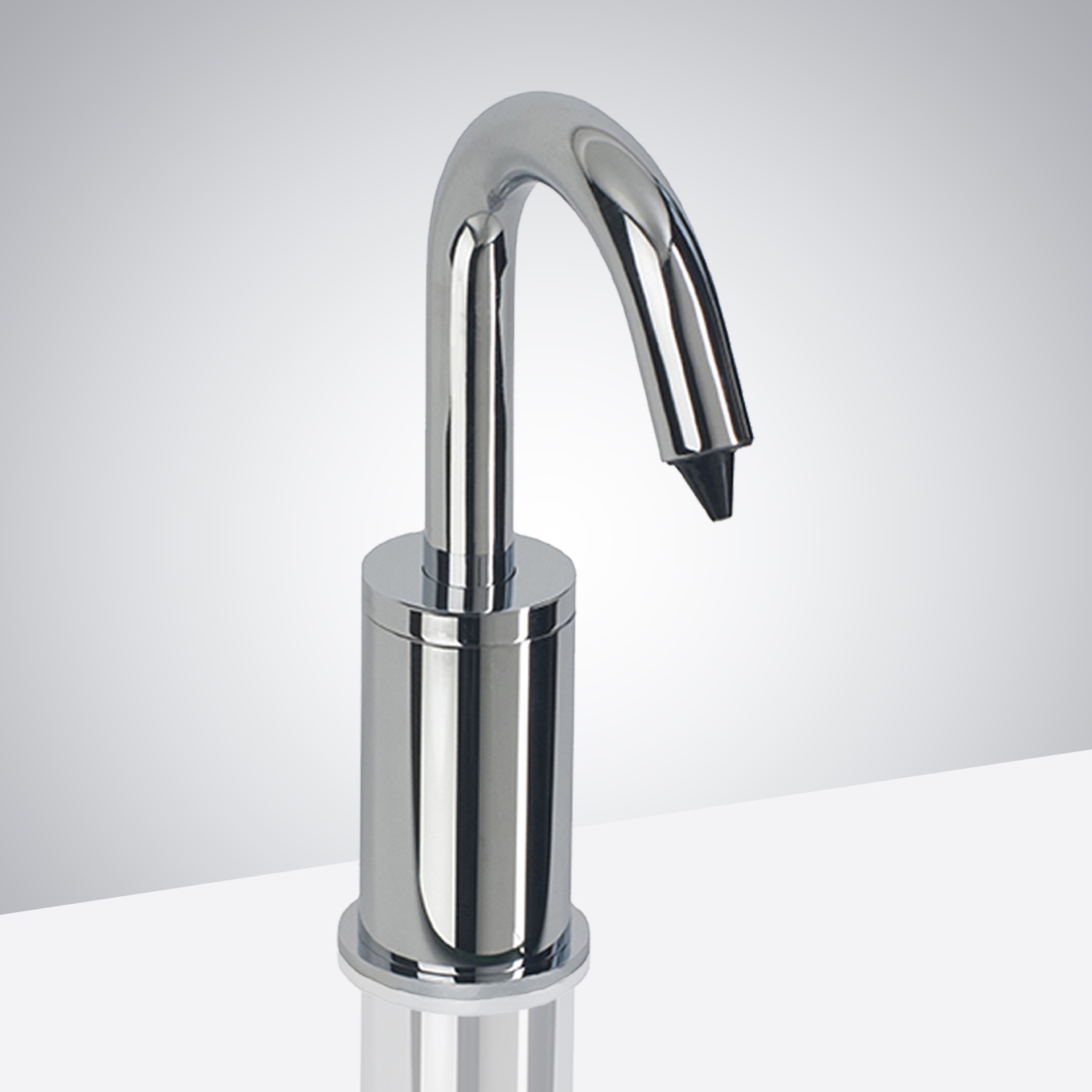
FS10074DP — AC/DC Sensor Operated (Deck)
Heavy-traffic model with dual-power redundancy, below-counter refill, sensor calibration for accurate dosing.
Product Page
Spec Sheet (PDF)
BIM / Revit
Install
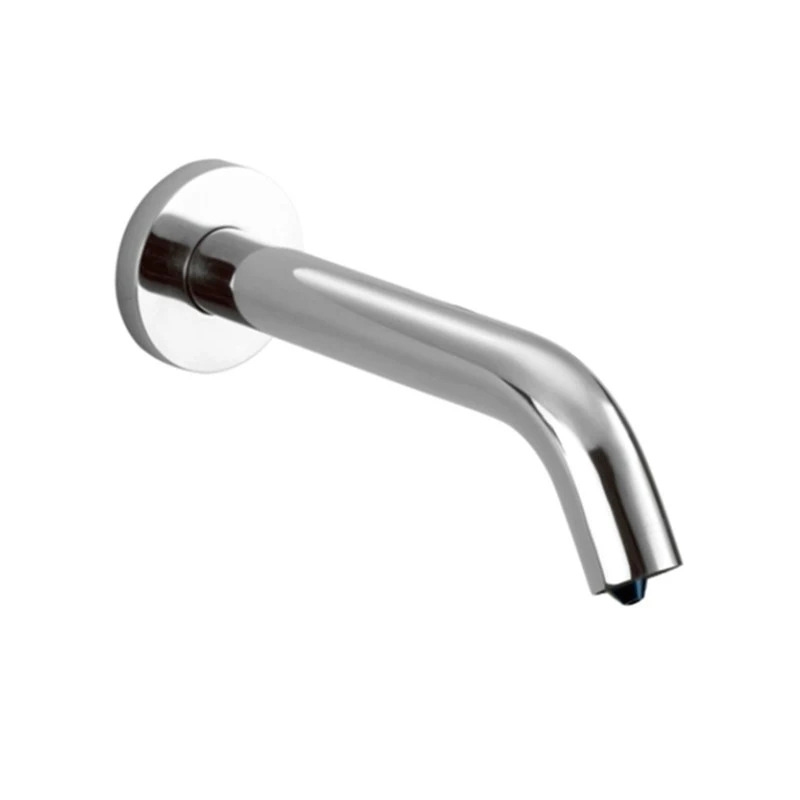
FS9818 — Wall Mount Automatic Soap Dispenser
Commercial wall-mount, IR sensor, multi-voltage input 100–240VAC via adapter.
Product Page
Spec Sheet (PDF)
BIM / Revit
Install
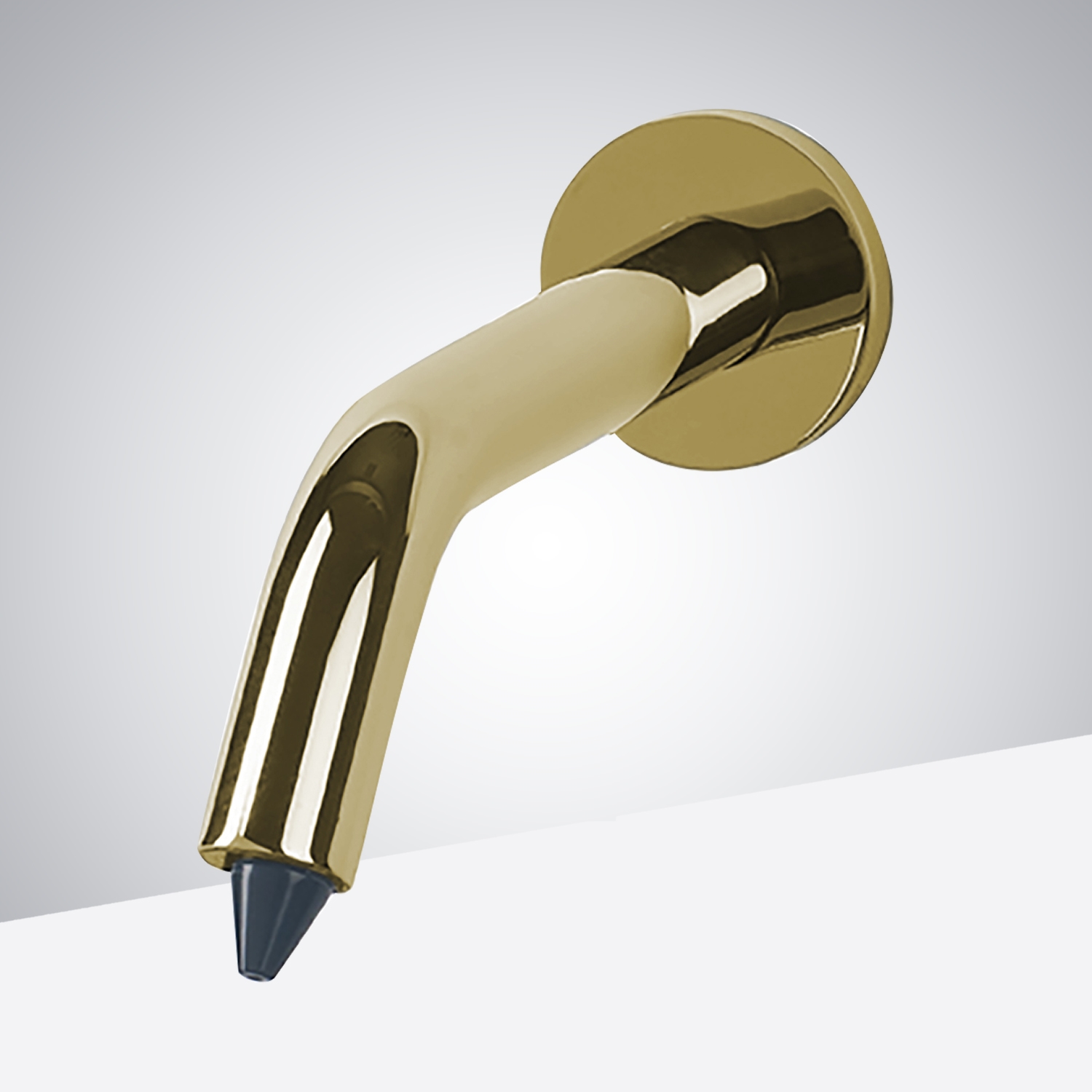
FS1127 — Wall Mount Foam Dispenser (Gold)
Brushed gold brass body; commercial capacity; multi-voltage AC 100–240V adapter.
Product Page
Spec Sheet (PDF)
BIM / Revit
Install

FS1017 — Fontana Wall Mounted Touch Free Automatic Soap Dispenser
Commercial wall-mount, chrome brass body; multi-voltage power supply 100–240VAC.
Product Page
Spec Sheet (PDF)
BIM / Revit
Install
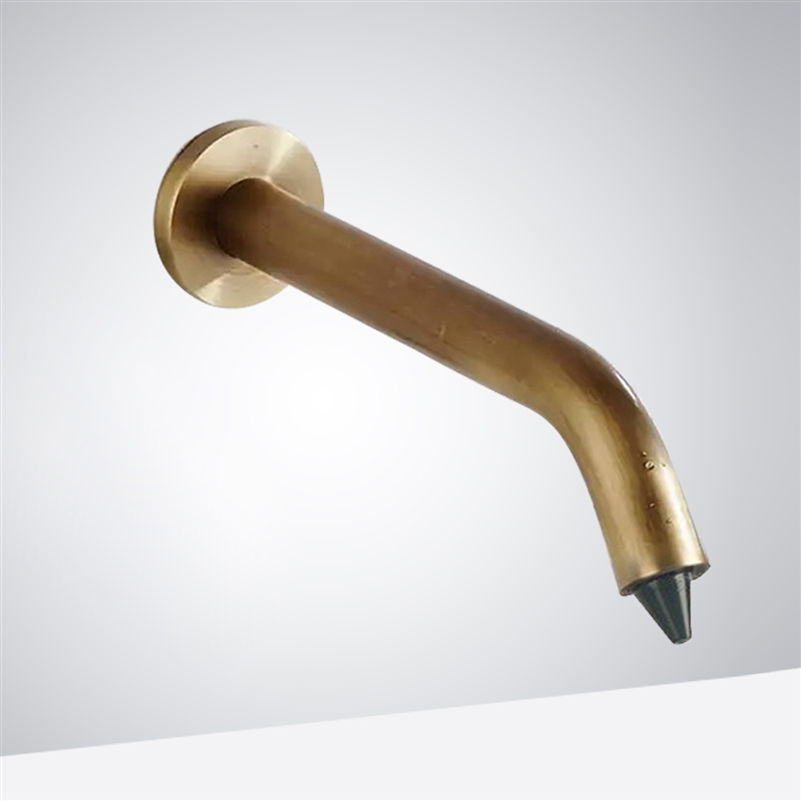
FS10068A — Antique Brass Touchless Wall Mounted Soap Dispenser
Milan series wall-mount in antique brass; IR sensor and commercial capacity.
Product Page
Spec Sheet (PDF)
BIM / Revit
Install
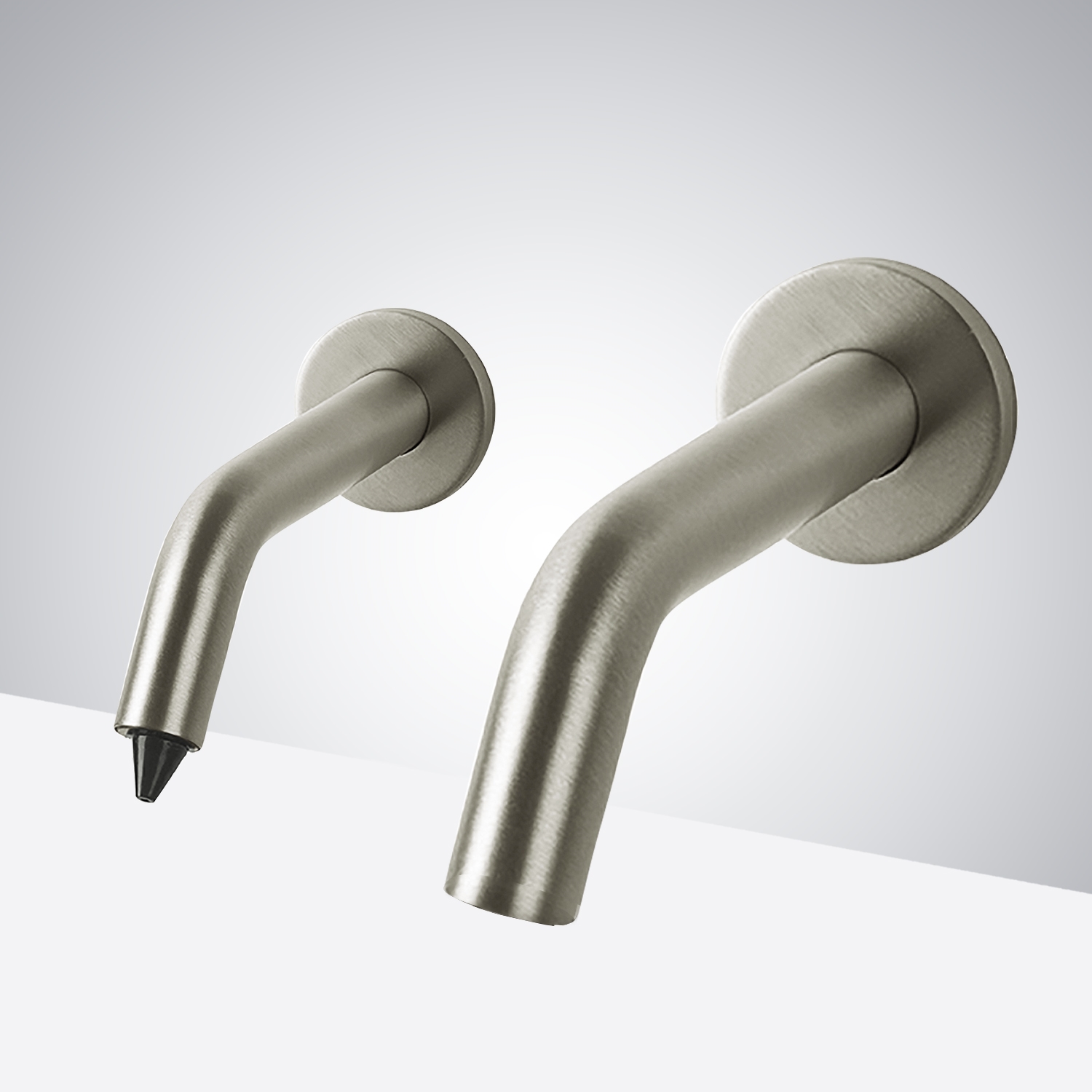
FST9901 — Fontana Milan Contemporary Style Brushed Nickel Finish Wall Mount Dual Sensor Faucet And Soap Dispenser
1500ml capacity, IR sensor, durable brass construction; great for offices & healthcare.
Product Page
Spec Sheet (PDF)
BIM / Revit
Install
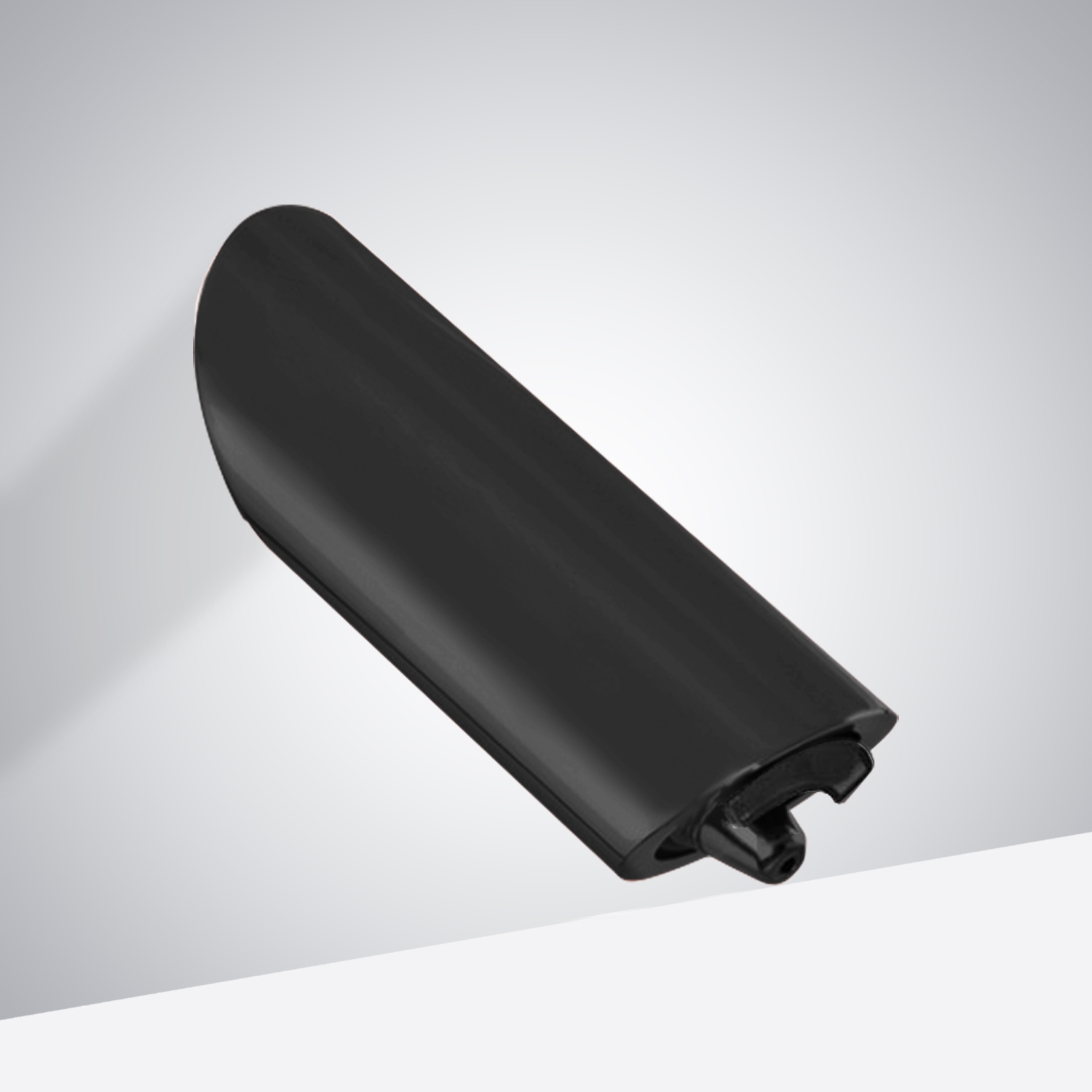
BS9799-D — Fontana ORB Auto Sensor Liquid Automatic Soap Dispenser
Large-capacity wall-mount system; multi-voltage AC 100–240V; ideal for multi-station restrooms.
Product Page
Spec Sheet (PDF)
BIM / Revit
Install
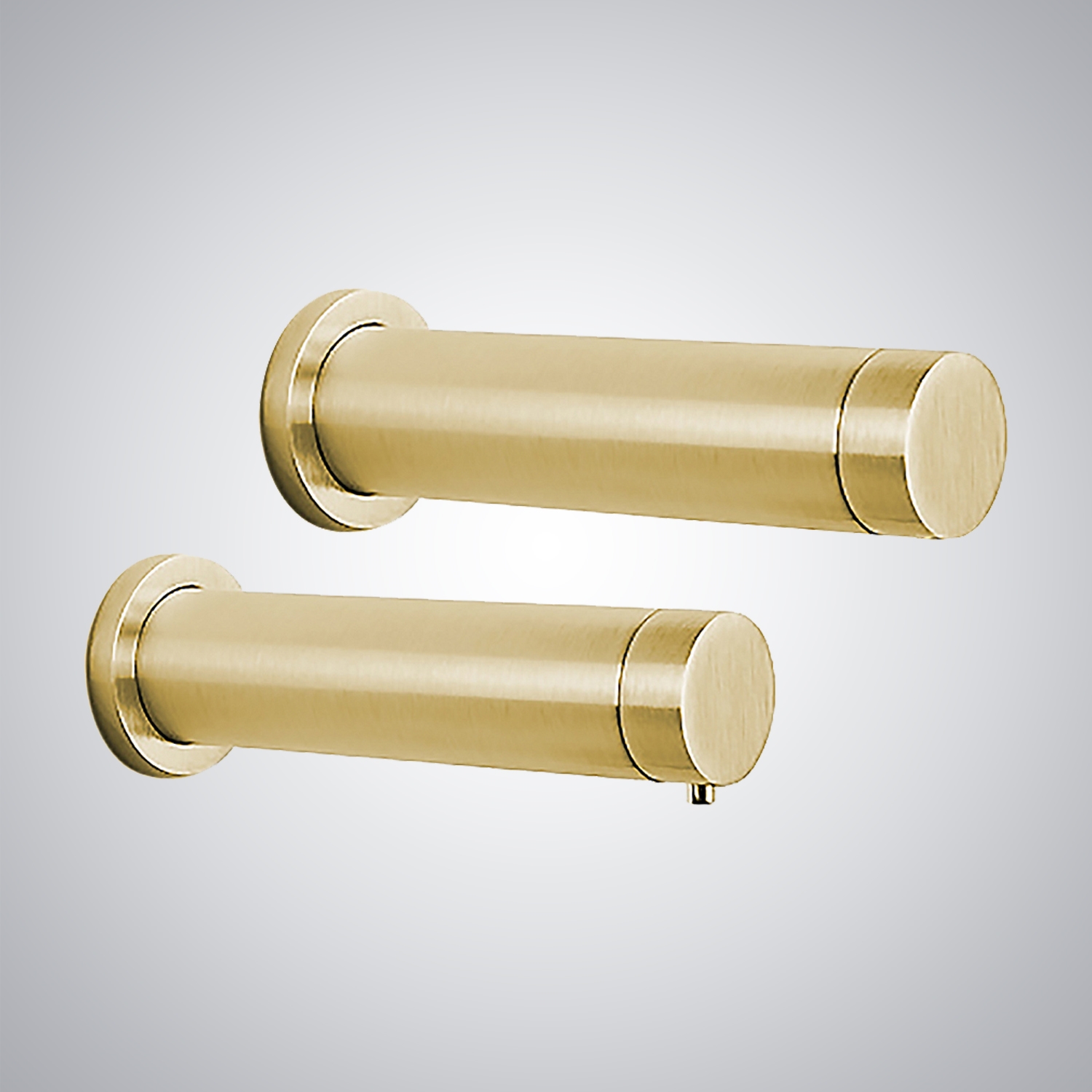
FS9086-SDDP — Wall-Mounted Commercial Soap Dispenser
Brass body, wall-mount, multi-voltage input; commercial-grade reliability.
Product Page
Spec Sheet (PDF)
BIM / Revit
Install
Need help with specs or submittals?
Download catalogs, find a distributor, or
message our team.
Engineer & Contractor Guide: Specifying AC-Powered Soap Dispensers
1. Electrical & Power
- Input: 110–240VAC with included adapter to LVDC. Provide a GFCI-protected receptacle within the cabinet or a dedicated transformer per model sheet.
- Redundancy: Prefer dual-power (AC/DC) SKUs for uptime during maintenance; batteries act as failover only.
- Cable routing: Keep low-voltage leads isolated from water supply lines; allow drip loops and strain relief.
2. Plumbing & Soap Chemistry
- Mount height and spout reach per sink geometry; avoid sensor washout from mirror glare or daylight.
- Use manufacturer-approved viscosity ranges; if changing soap types, flush reservoir and lines completely to avoid clogging.
- Centralized under-counter reservoirs reduce refill time in multi-station restrooms.
3. Controls & Commissioning
- Adjust dosing time and sensor range during close-out; validate with water running to ensure real-world activation.
- Confirm auto-purge (if available) to mitigate dried soap in idle periods.
- Capture serial numbers & power supplies in the O&M manual for spares tracking.
4. ADA & Maintenance
- Ensure clear knee/toe space and reach ranges per ADA; sensor activation supports accessibility.
- Design for front service where possible; below-deck refill ports improve turnaround.
5. Submittal Package
- Include: cut sheet, wiring diagram, installation instructions, BIM/Revit family, finish schedule, and warranty.
- Reference manufacturer pages for the latest PDFs and videos.
Featured Models
- FS9837DP — AC powered, chrome brass, adjustable dosing. Product page
- FS10074DP — AC/DC dual-power, heavy-traffic. Product page
Quick Comparison: AC vs Battery
| Consideration |
AC-Powered |
Battery-Only |
| Uptime |
Continuous duty; ideal for high-traffic |
Depends on changeouts; risk of downtime |
| Maintenance |
No battery swaps; planned service cycles |
Frequent battery replacements in busy sites |
| Install |
Requires outlet/transformer planning |
Simpler; no mains nearby |
| TCO |
Lower over multi-year horizon |
Higher with consumables & labor |
Next Steps
- Download the latest catalogs and attach relevant BIM families.
- Confirm power provisioning at millwork drawings and coordinate GFCI receptacles.
- Submit finishes (chrome, matte black, brushed gold, antique brass) for approval.
|
|
|