

WELL Certified Bathroom Products
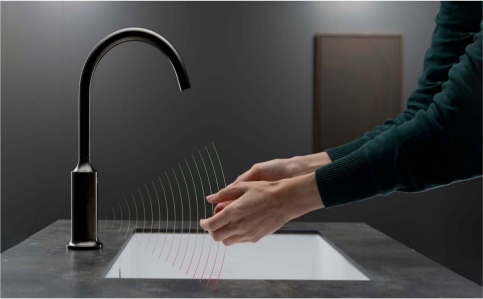
The design of healthy buildings is increasingly evaluated at the point of interaction between occupants and the architecture. In a commercial restroom, that point is the wash station: tap, soap delivery, basin shape, water temperature, drying method, accessibility, maintenance access and operational controls.
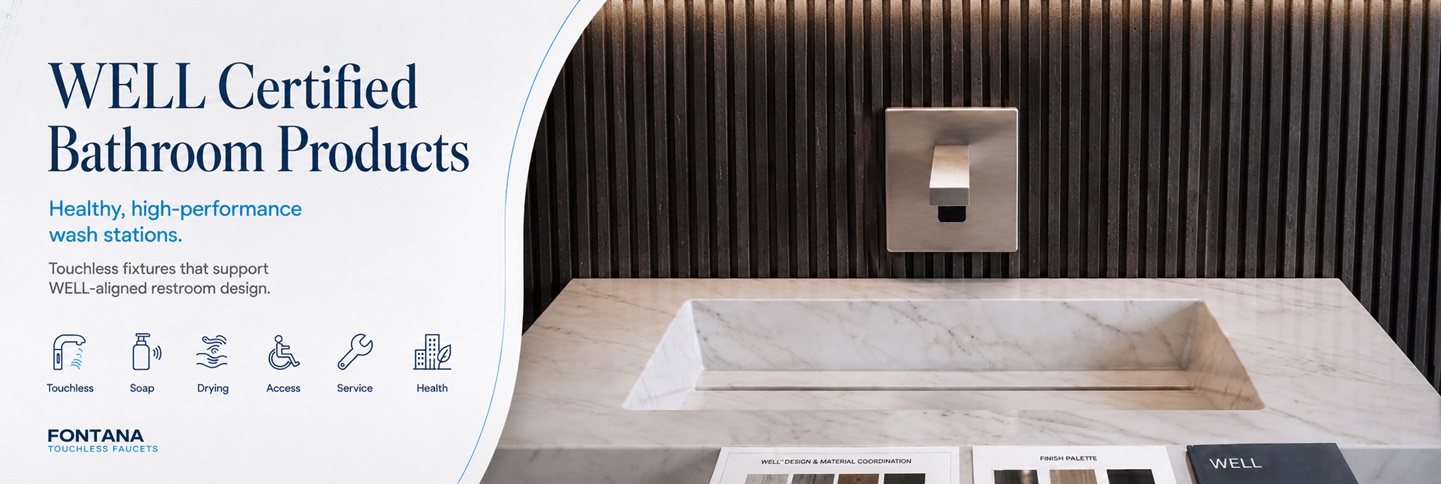
The WELL Building Standard is a performance-based system that links building design and operations to human health and well-being. It advises that hand washing requires access to sinks, soap and adequate hand drying facilities in the appropriate settings. “No single tap or dispenser can earn a WELL certification by itself; products can only support a project’s overall strategy, documentation, policies and performance verification.
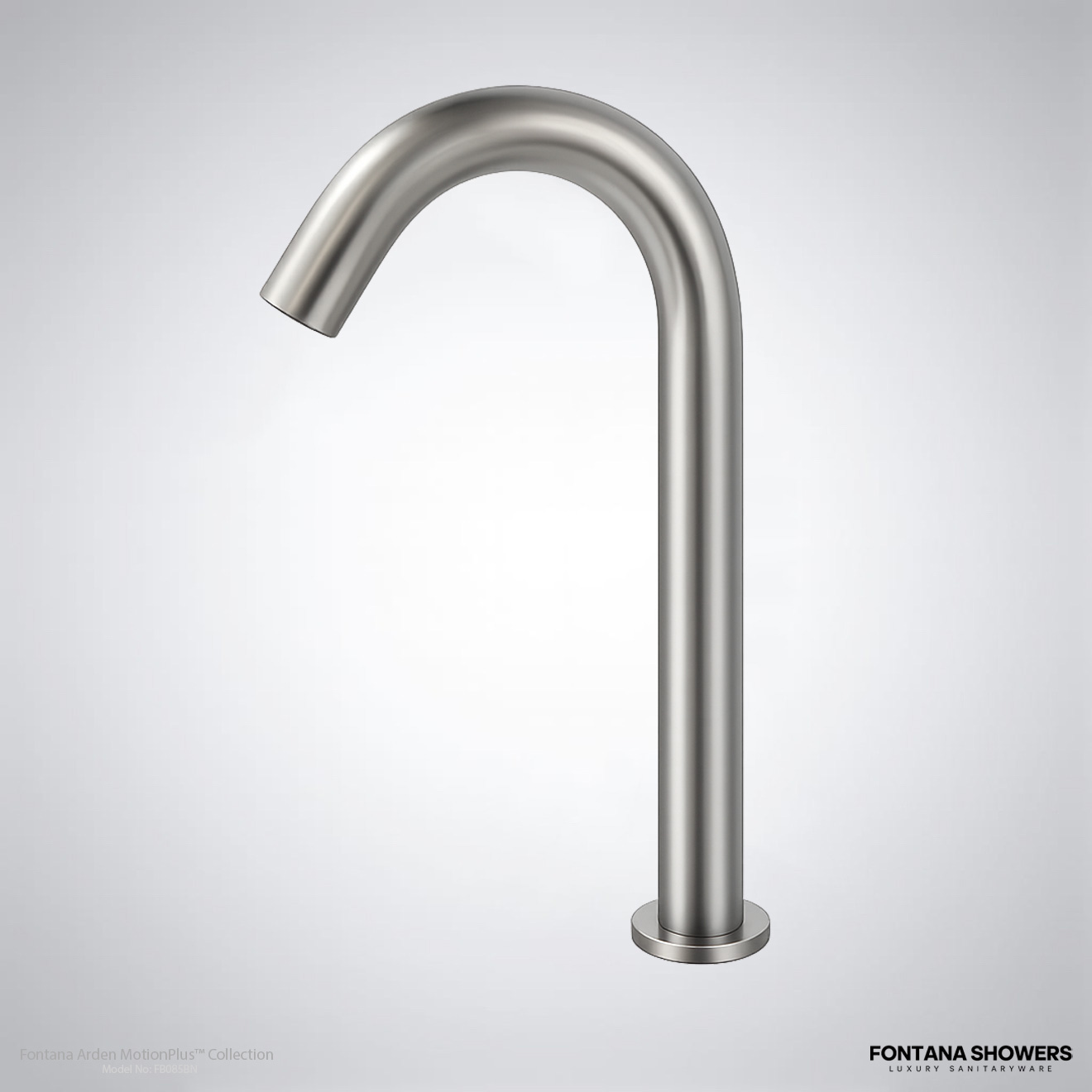
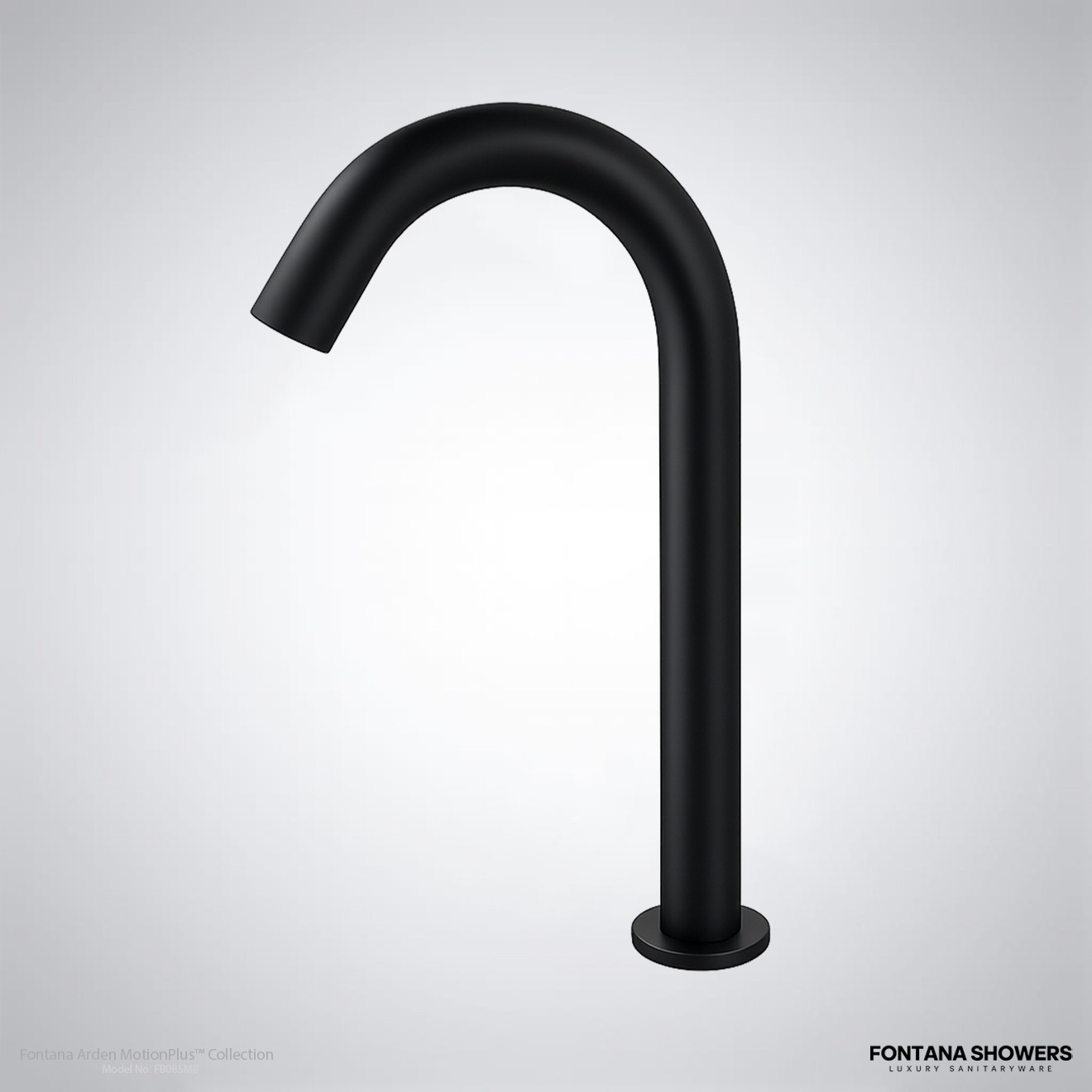
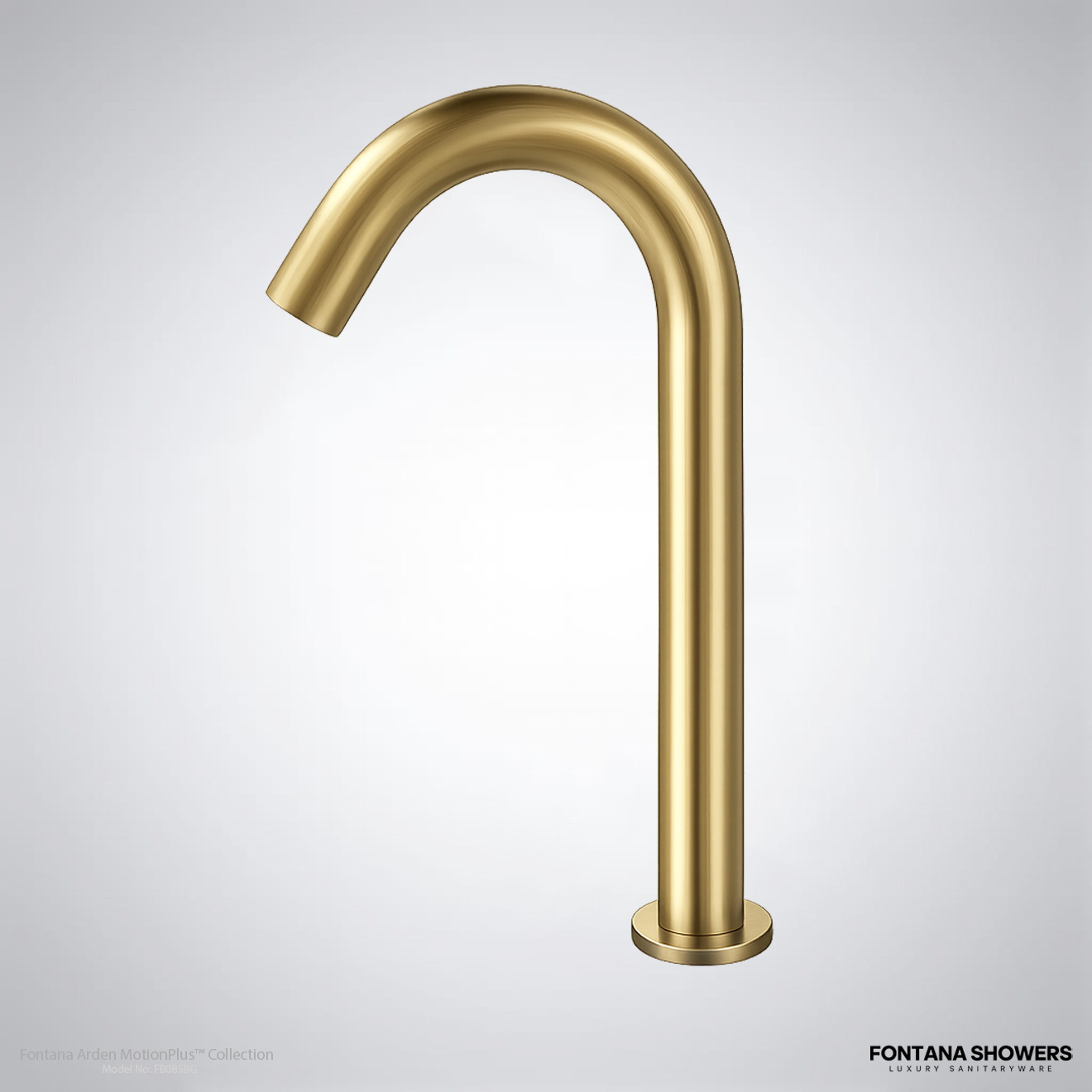
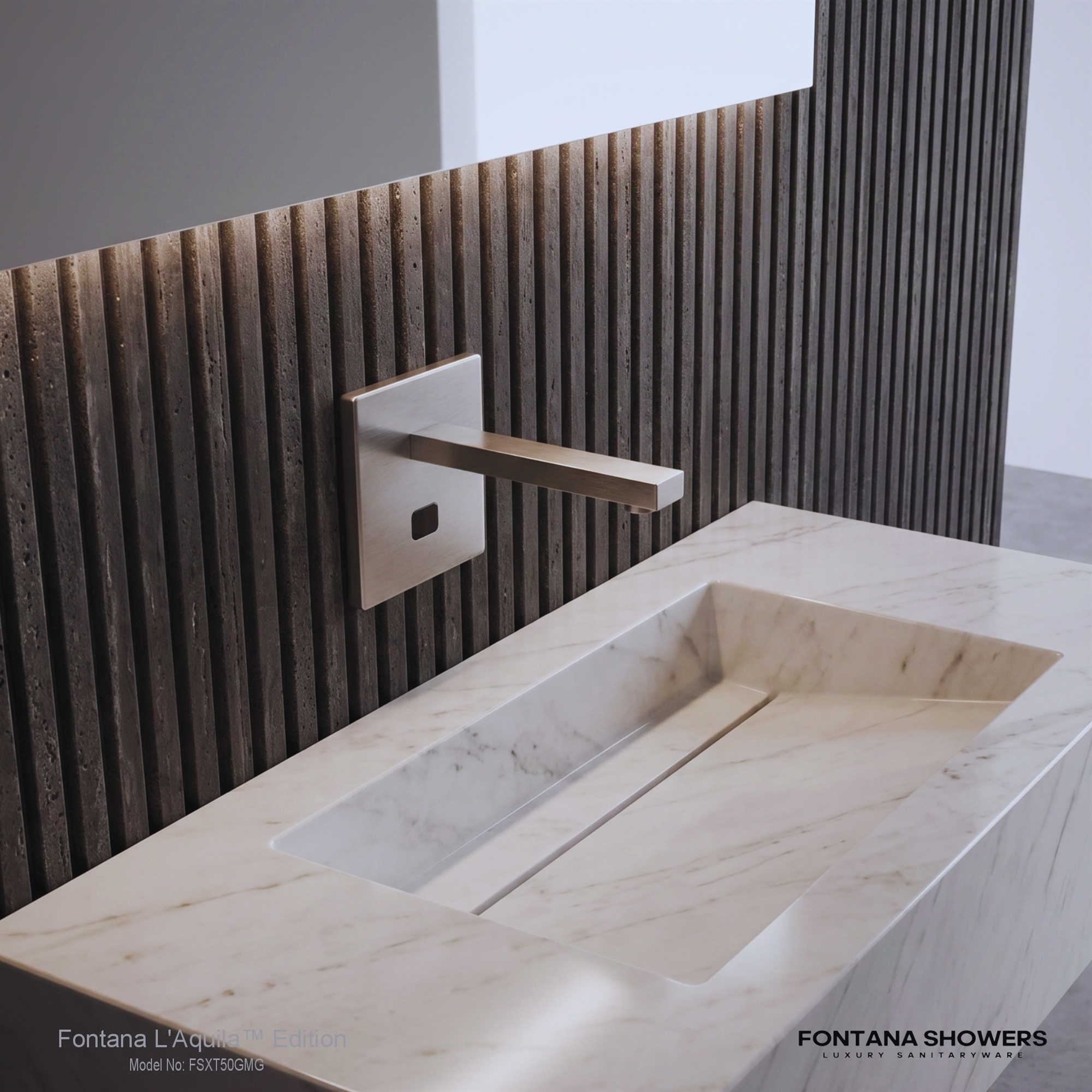
FontanaTouchlessFaucets offers architects, engineers and contractors a practical product pathway for developing WELL-aligned lavatory systems. Its commercial sensor soap equipment, touchless bathroom faucets and coordinated wash-station assemblies can help reduce shared contact points, control water delivery and facilitate repeatable specifications across high-traffic facilities.
AEC Technical Specifications
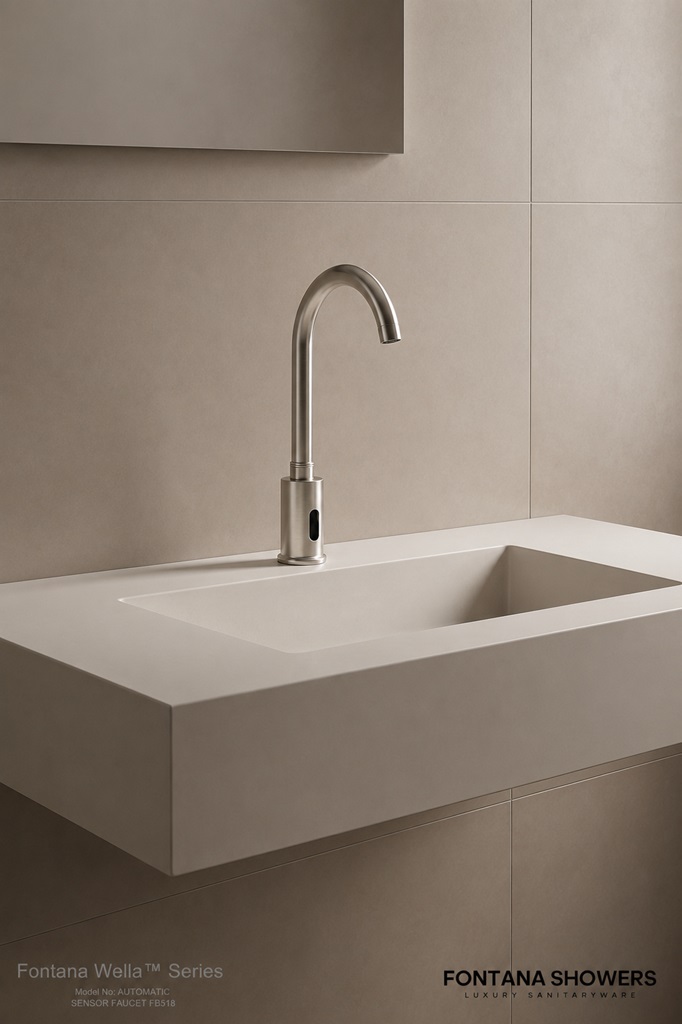
A spec-grade sensor tap should be considered a powered plumbing fixture. The design team should select the sensing method, operating-pressure range, rated flow, power source, control-box location, mixing method, maximum run time, outlet type and required certifications.
Read MoreShow Less
Hardwired power may be suitable for continuous-use facilities. Battery power can enable retrofitting where hybrid setups can enhance service continuity. Access to transformers, batteries, strainers, solenoid valves and electronic controls must be included in the specifications.
Accessibility
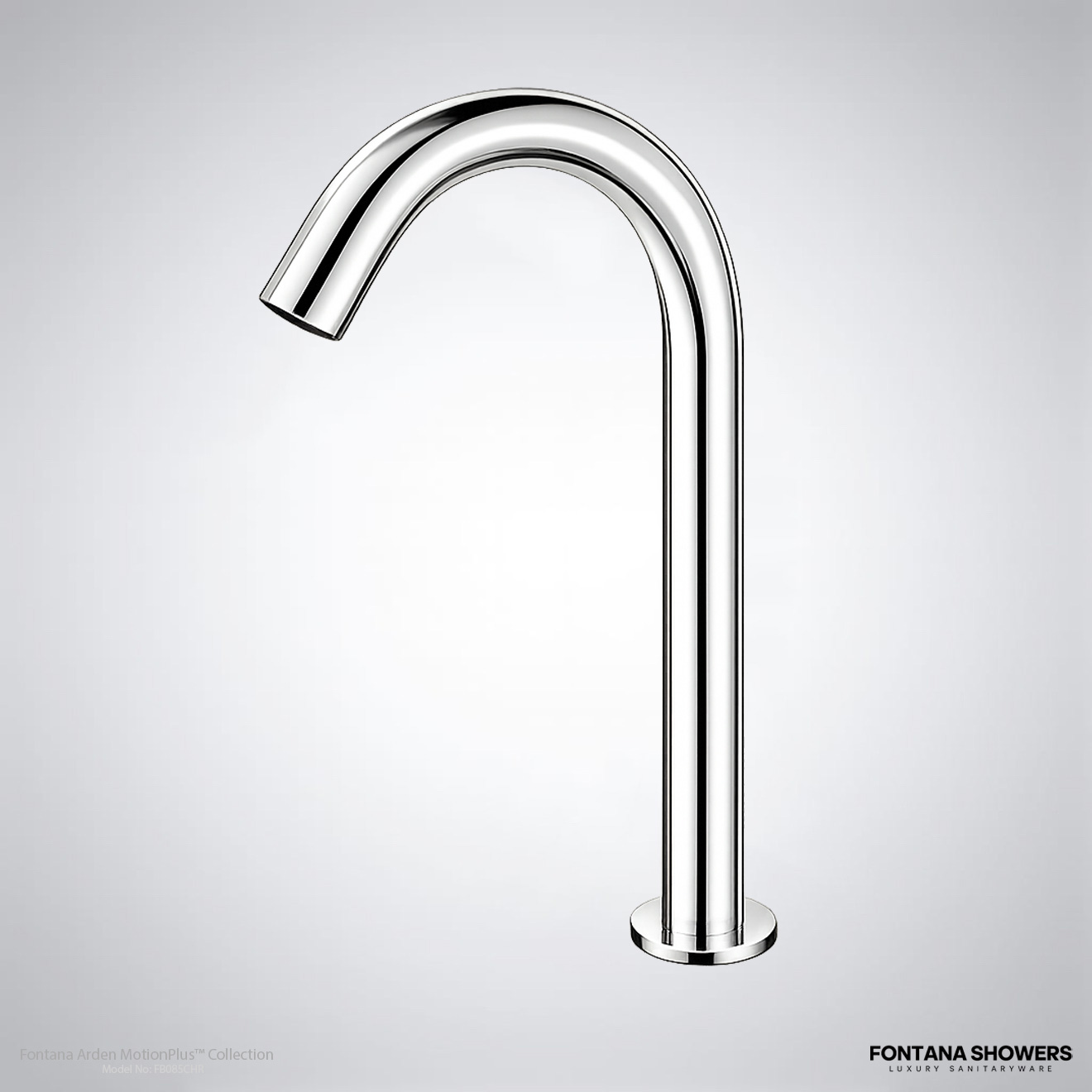
Accessibility shall be coordinated with the entire lavatory assembly. The U.S. Access Board’s guidance on lavatories includes clear floor space, knee and toe clearances, reach conditions, and accessible operable parts. Sensor activation can prevent grasping or twisting but cannot remedy an inaccessible basin, too deep reach or badly placed dispenser.
Read MoreShow Less
Early coordination can be aided by Fontana’s ADA touchless washbasin tap resources. The project team and the authority having jurisdiction are responsible for final compliance with accessibility.
.jpg)

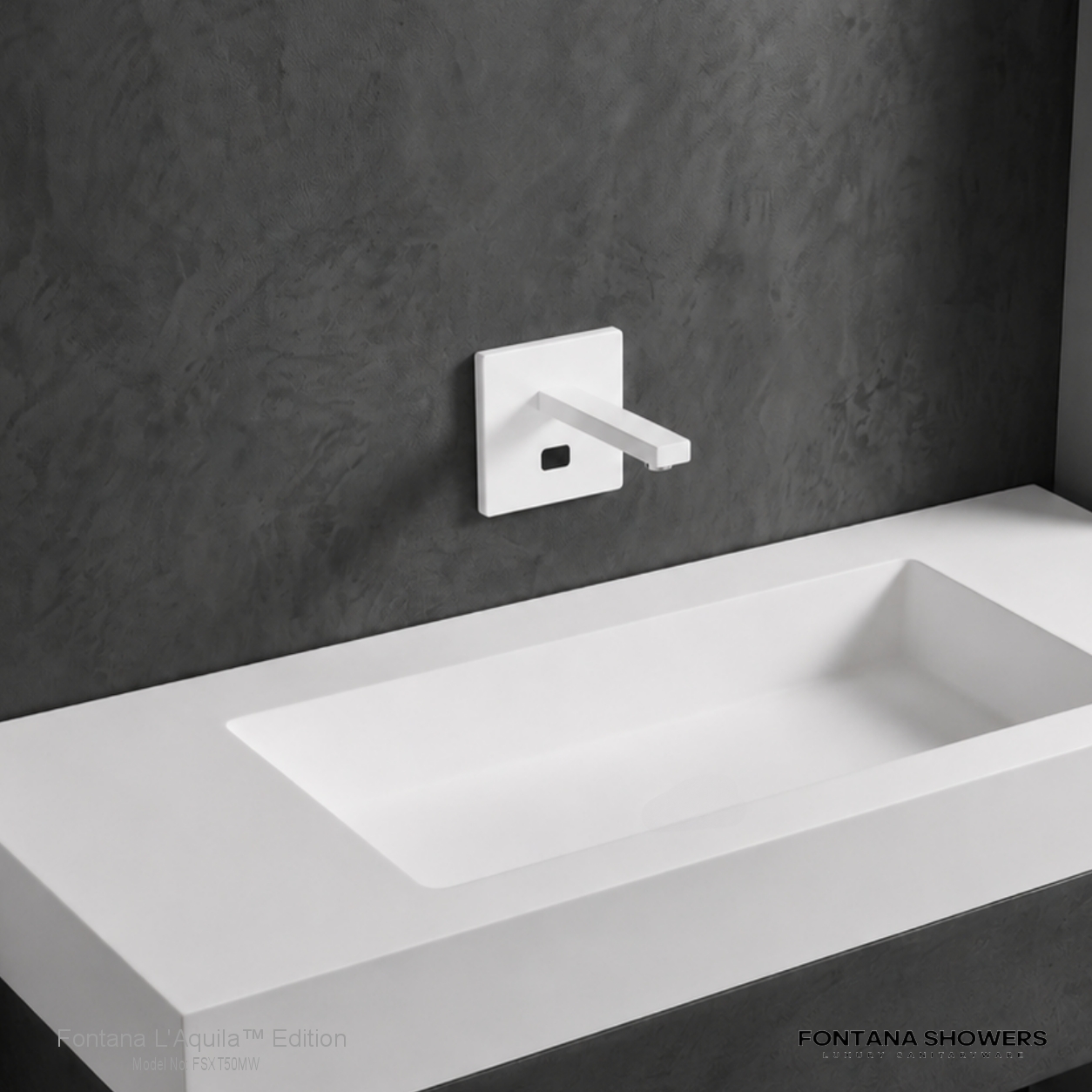
Performance Control Chart of AEC
Fontana provides typical commercial test ranges for detection, response time, operating pressure, low-voltage power and low-flow delivery. These should be seen as only planning references. Each project shall verify that the current model data, approved submittals and field commissioning records accurately reflect the requirements.
Read MoreShow Less
Design Variable Representative Design CheckHealthy building objective | ||
Sensor detection Calibrate to intended hand zone; reject basin and pass-by motionActivation that is reliable with less false cycles | ||
Valve response Verify prompt opening and complete shutoff during commissioning.Practical hand-washing and controlled use | ||
Operating pressure: Check static and dynamic pressure against approved product dataSteady flow peak load | ||
Faucet flow Confirmation of selected low-flow rate with timed-volume testControl of the water without compromising rinsing | ||
Stream impact Control pressure and divert water away from the drainLess splashing, cleaner surfaces. | ||
Soap delivery Test approved soap, dose and viscosityDependable supply of soap | ||
Power strategy Document AC, battery or hybrid power and access for replacementOperational resilience | ||
Service access - Access to strainers, solenoids, reservoirs, controls and shutoffsSafer maintenance, less downtime. |


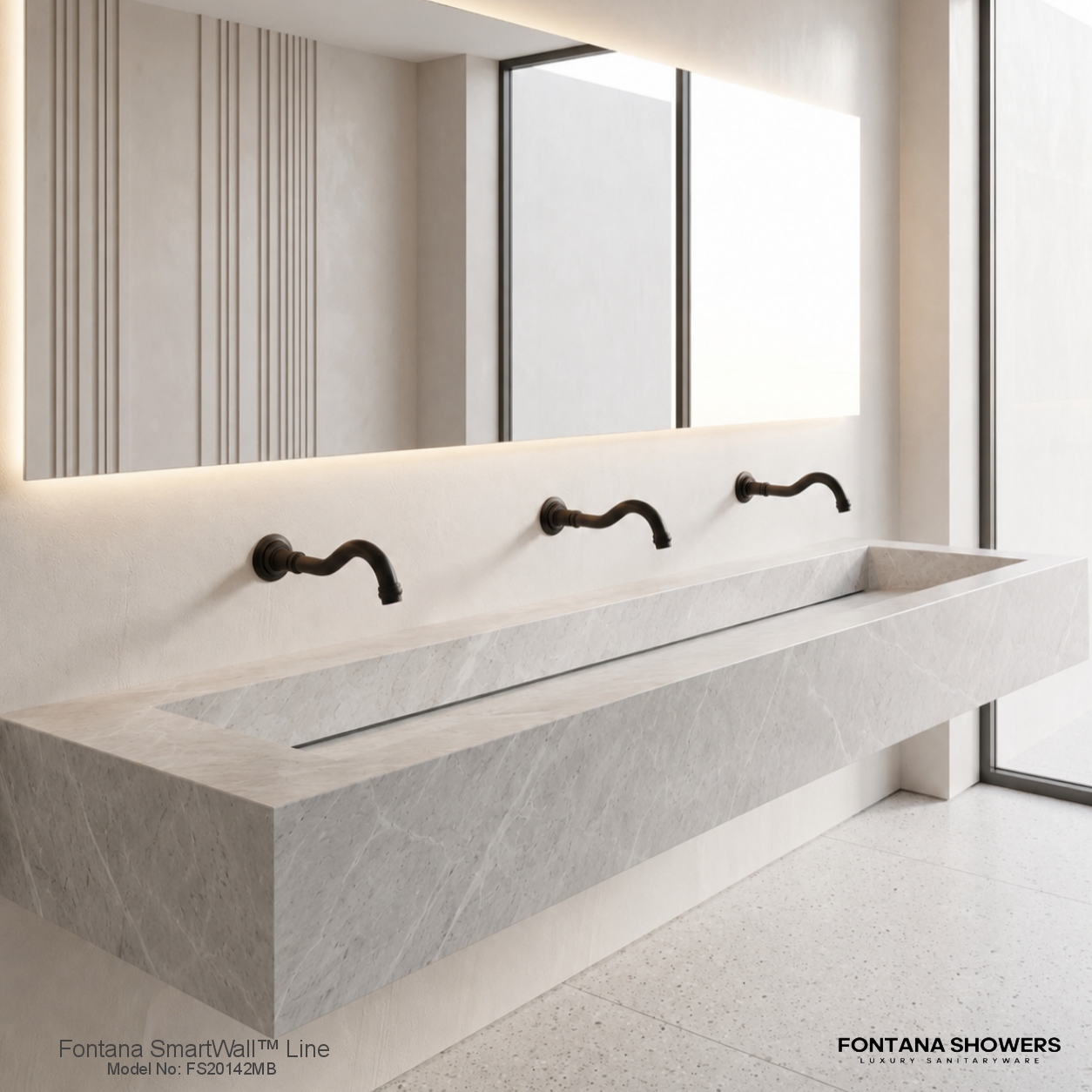

Water-Age Blind Spots No More: Water Efficiency
Automatic shutoff can help reduce unnecessary discharges, but water efficiency should not be divorced from water quality. The EPA's WaterSense at Work tap guidance includes aerators, flow regulators and related accessories as ways to control tap flow.
Read MoreShow Less
Slowly moving or stagnant water increases water-age, which contributes to disinfectant loss and can create conditions that favour Legionella growth, the CDC’s building-water guidance warns at the same time. So, it’s not just a lower tap flow rate, but water-management response is needed for low-use fixtures, oversized piping and extended shutdowns.
Plumbing engineers should integrate sensor faucets with pipe sizing, hot-water distribution, flushing protocols and the facility’s water-management program. The requirement for documented monitoring, corrective actions or programmed flushing where required is not negated by automatic activation during normal use.


Clinical Settings
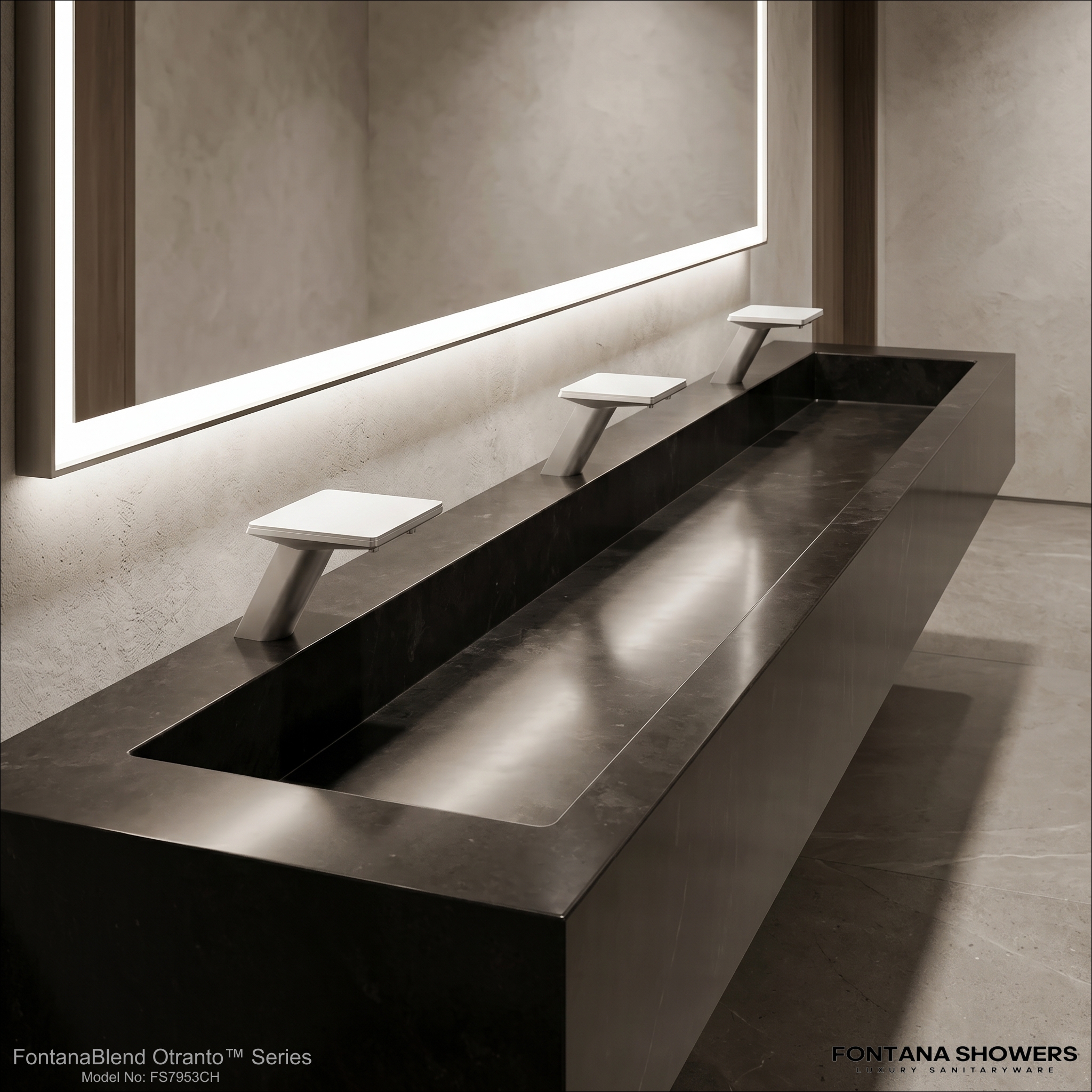
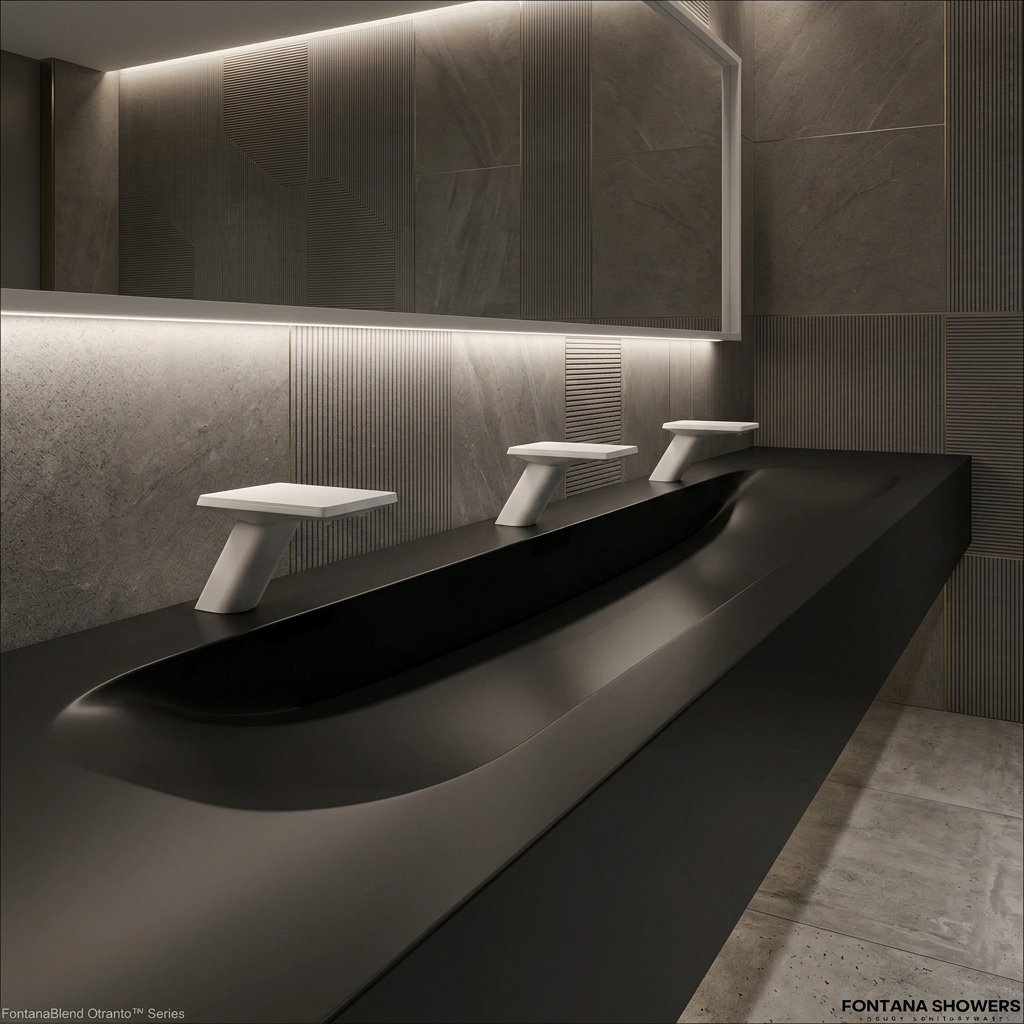
The decision process is even more challenging in clinical settings. Review healthcare hands-free sensor tap collection with infection prevention, plumbing and facilities stakeholders
Read MoreShow Less
ASHE hand-hygiene infrastructure guidance emphasises washbasin location, moderate pressure, and proper flow direction and splash control. It also warns that automatic-faucet internals components can be a microbial problem when design, commissioning and maintenance are lacking. Thus, touchless operation is a tool for risk reduction—not a replacement for sound clinical plumbing engineering.
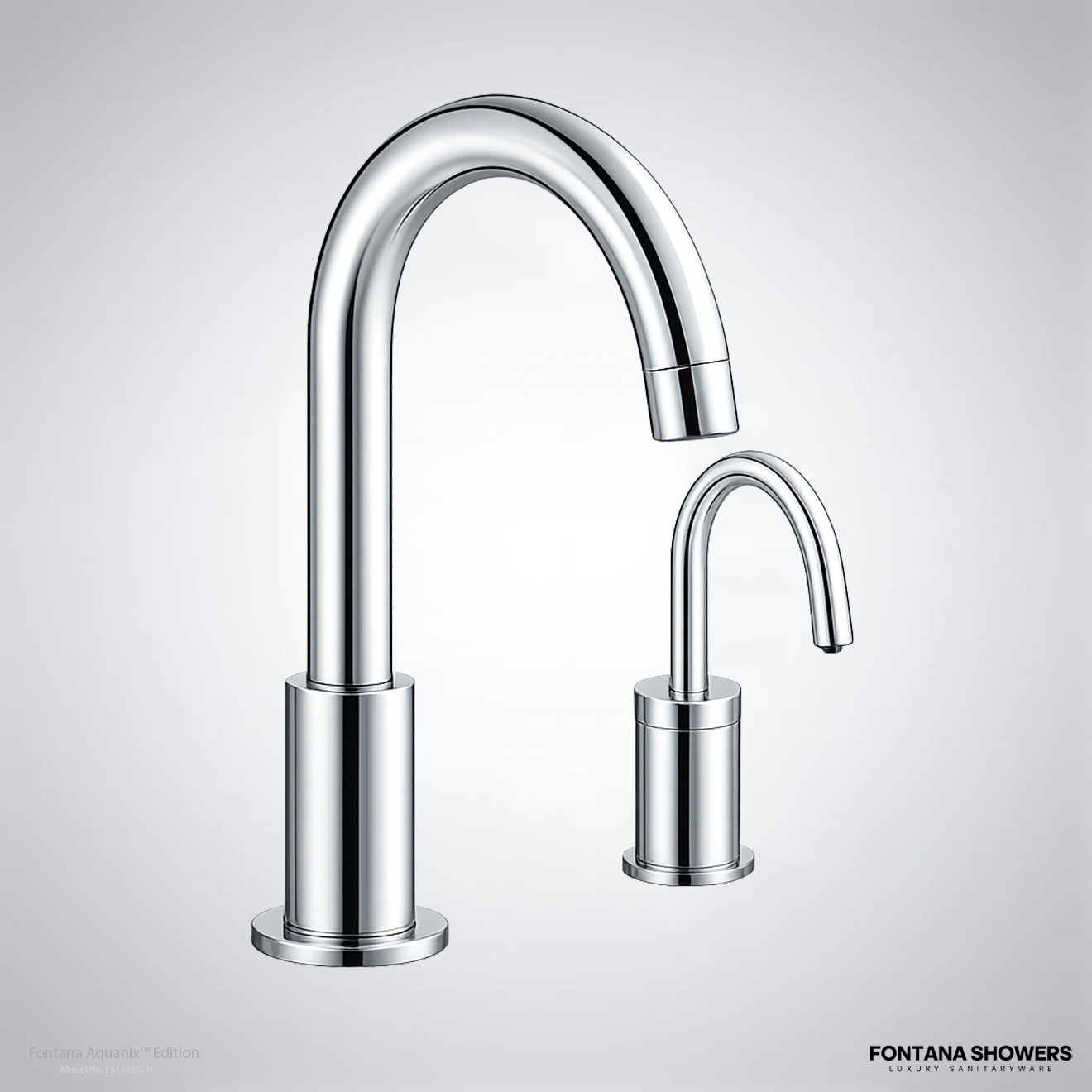
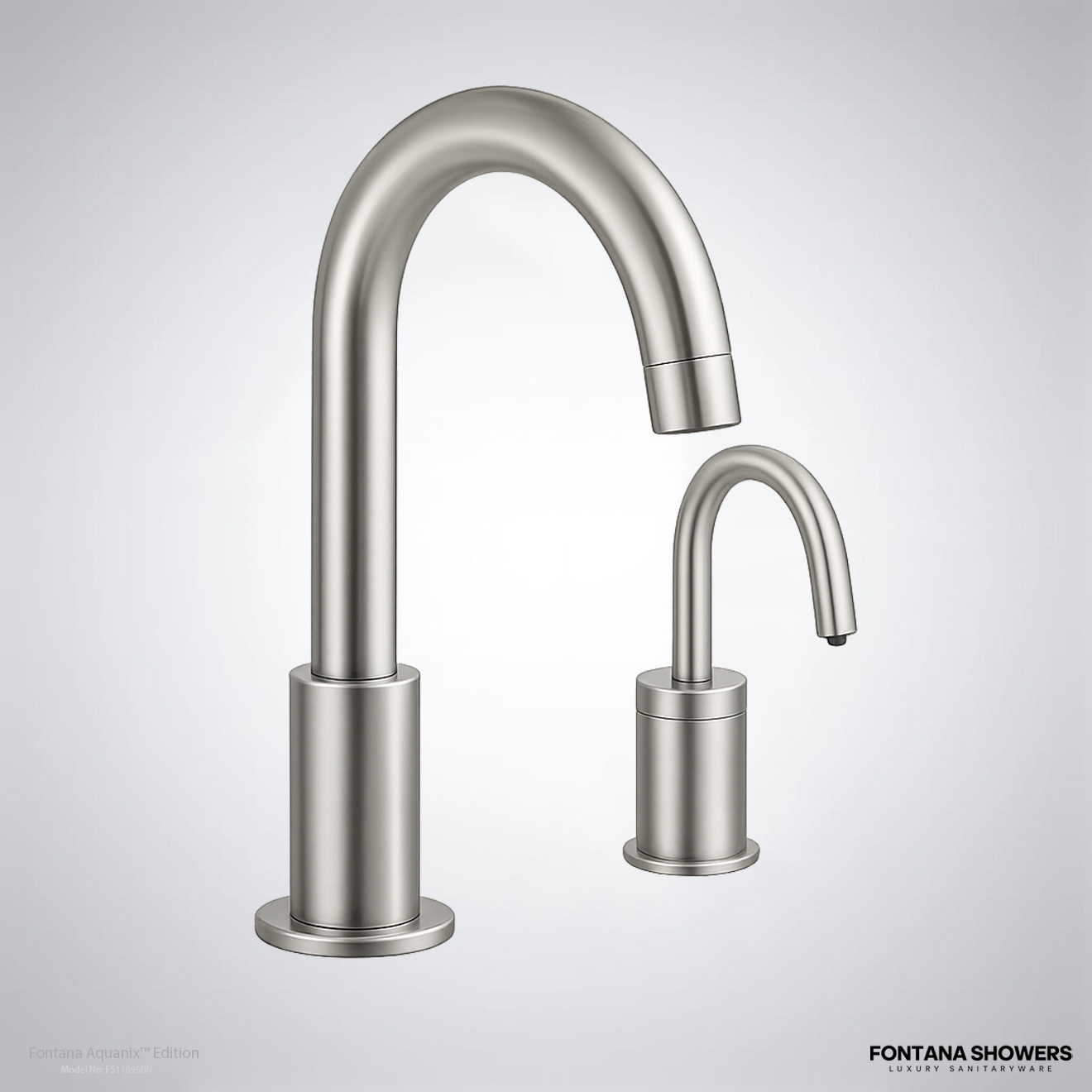
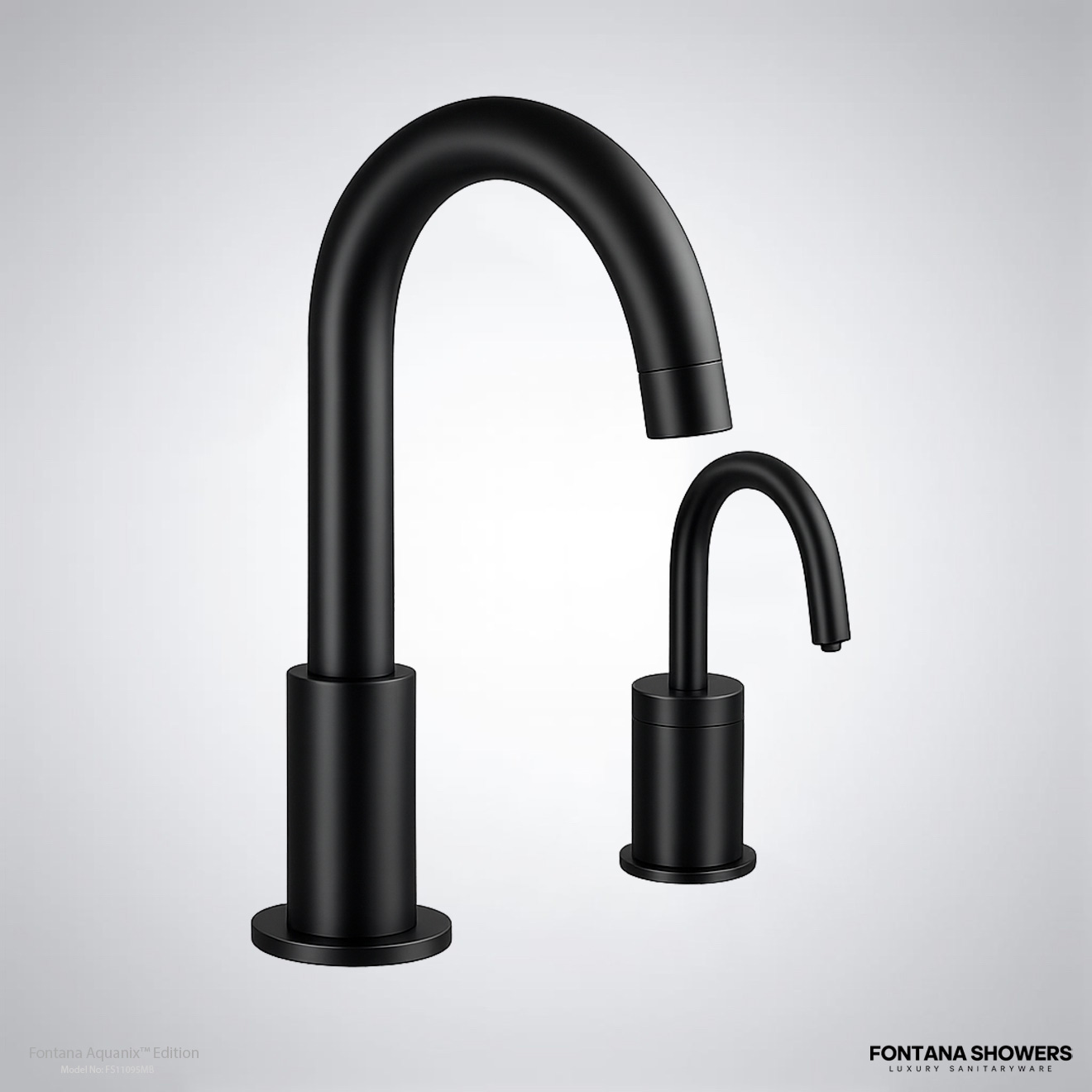
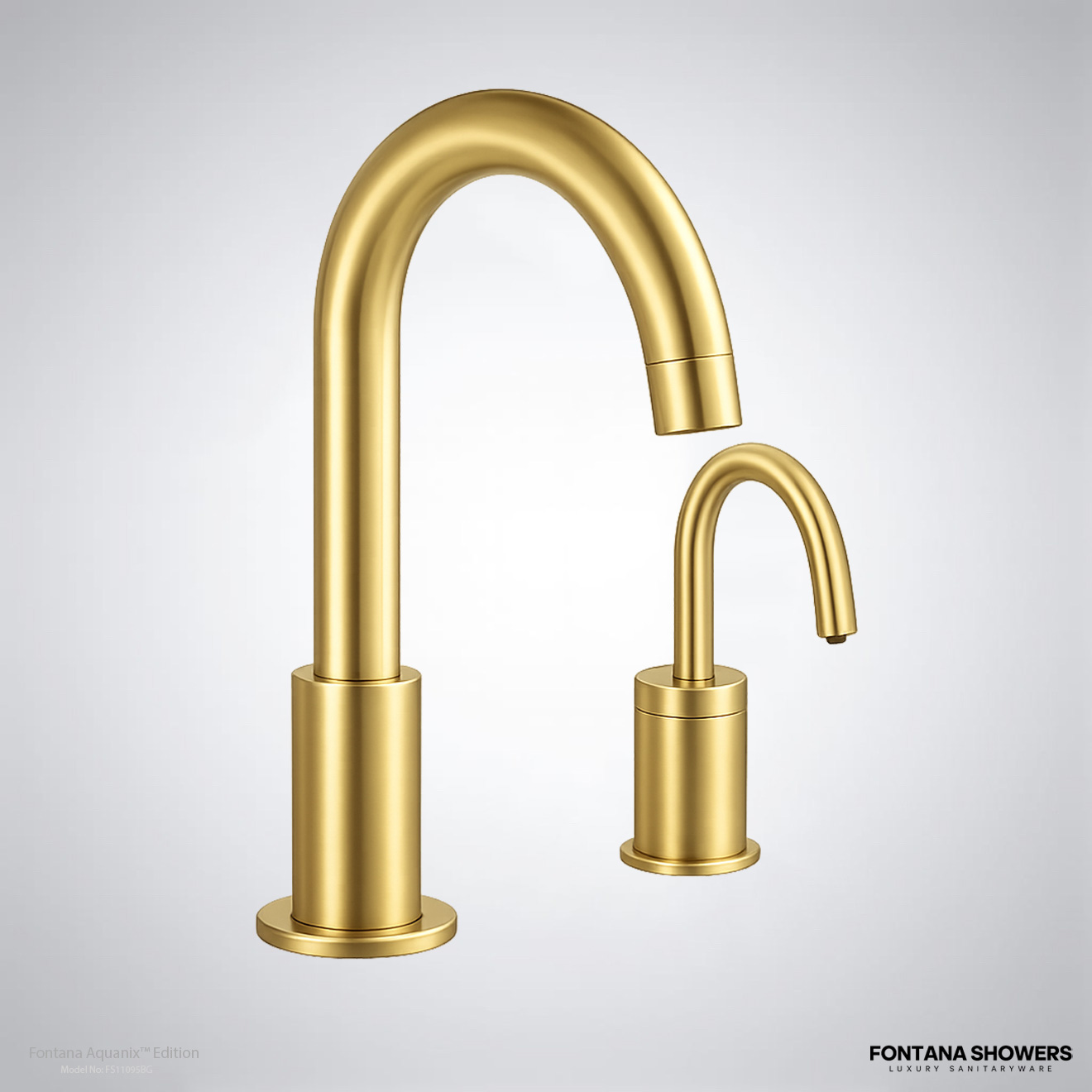
Example Case: Standardisation of 192 Lavatories
Imagine a 12 story commercial office building. On each floor there are four shared restrooms. Each restroom has four lavatory positions. That’s 192 wash stations.
Read MoreShow Less
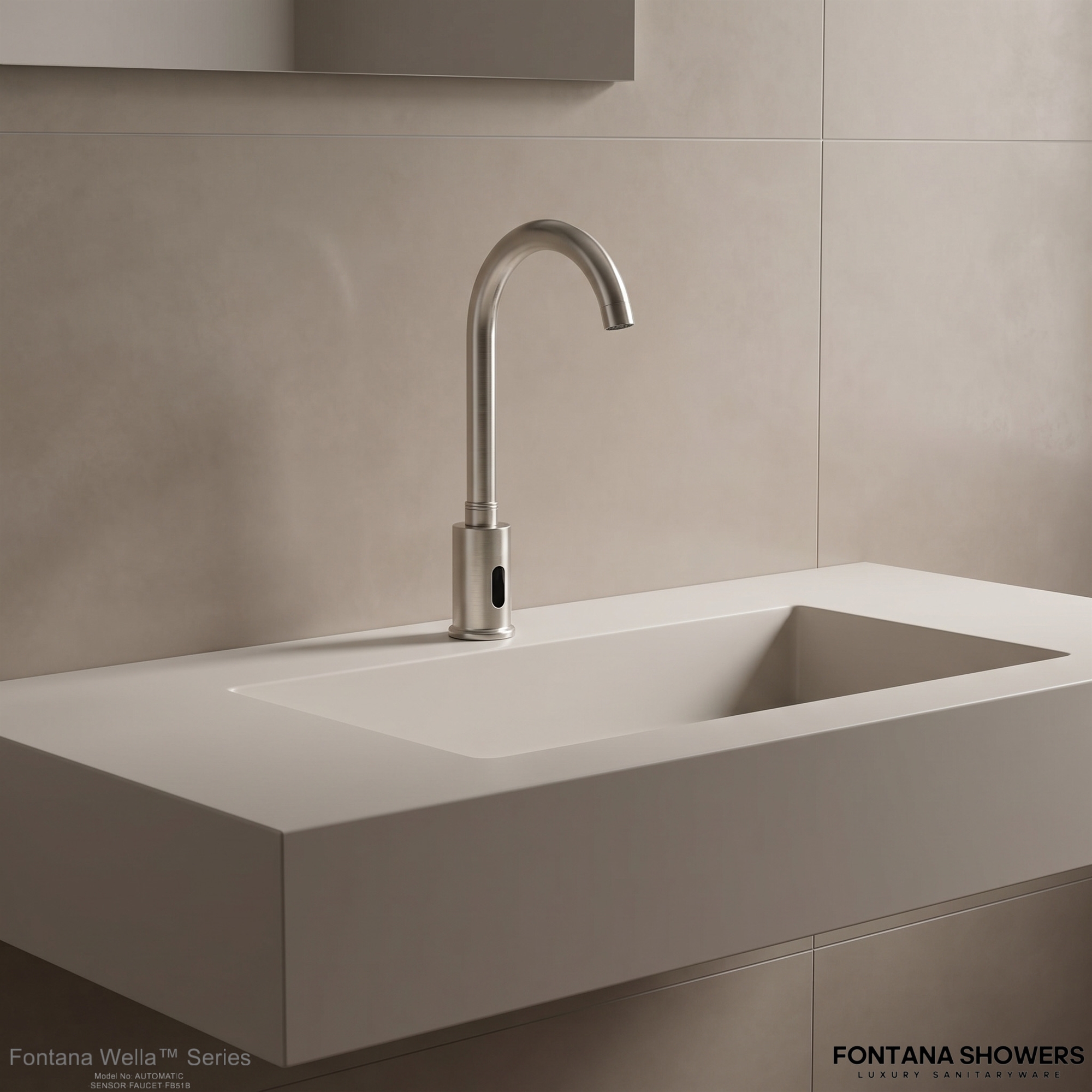
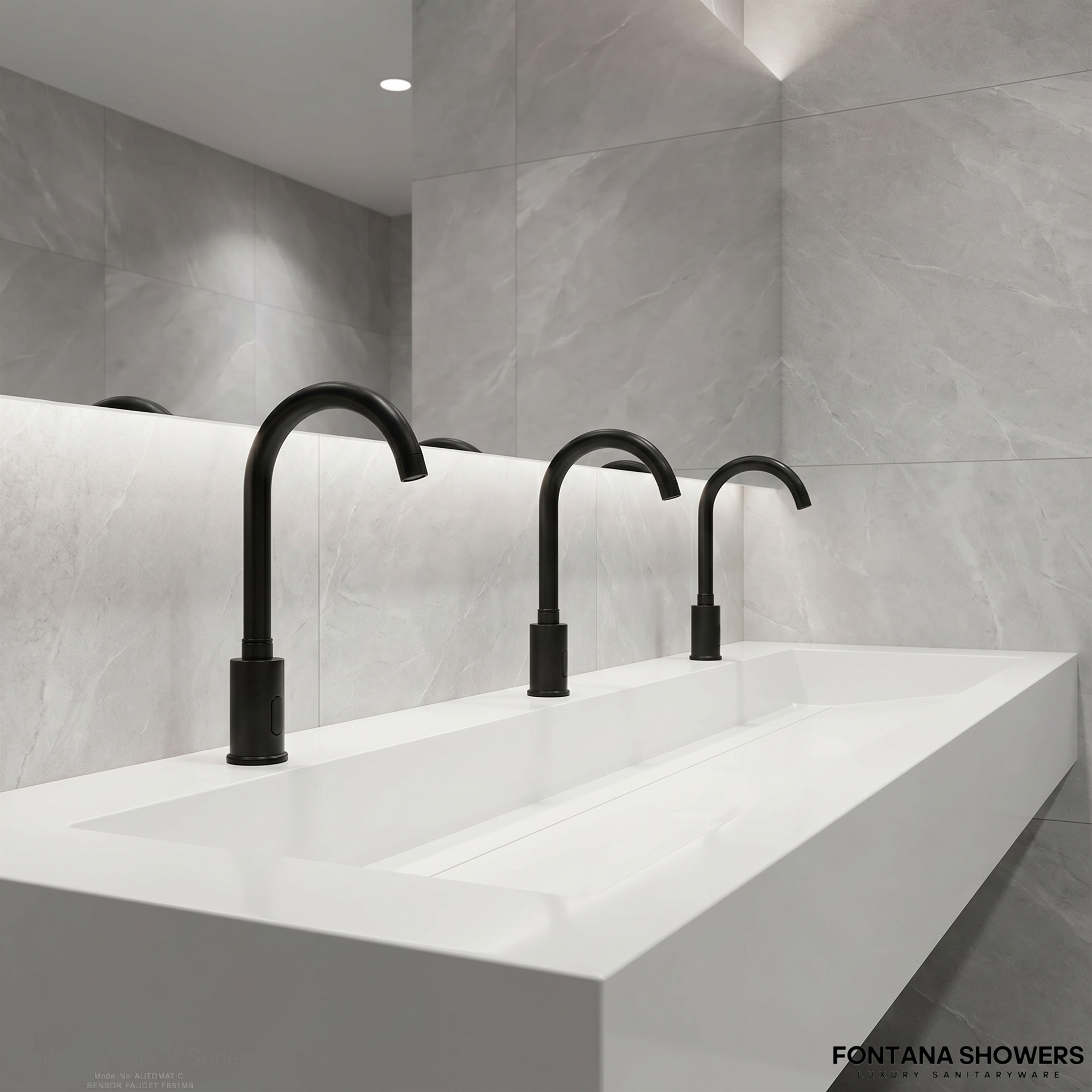
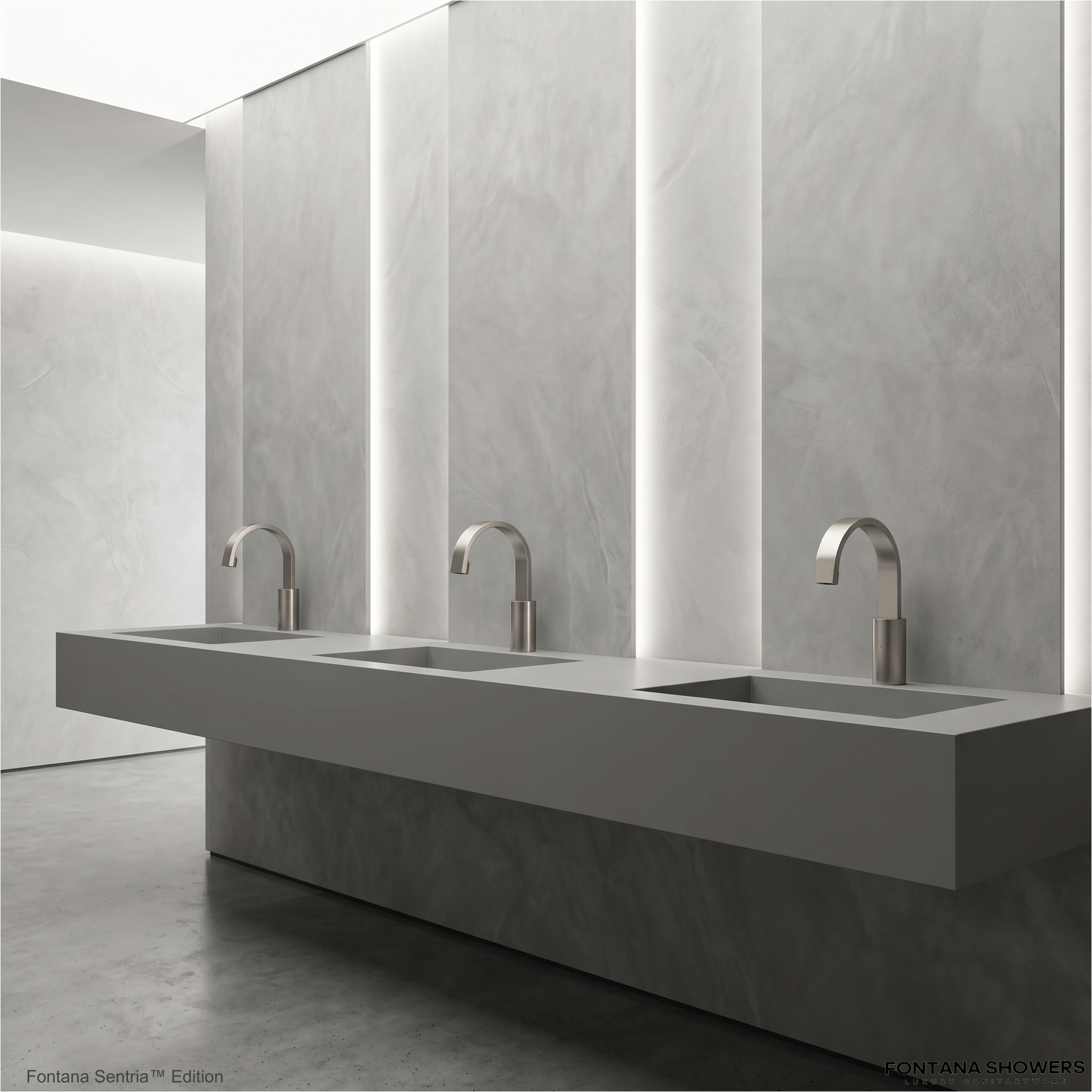
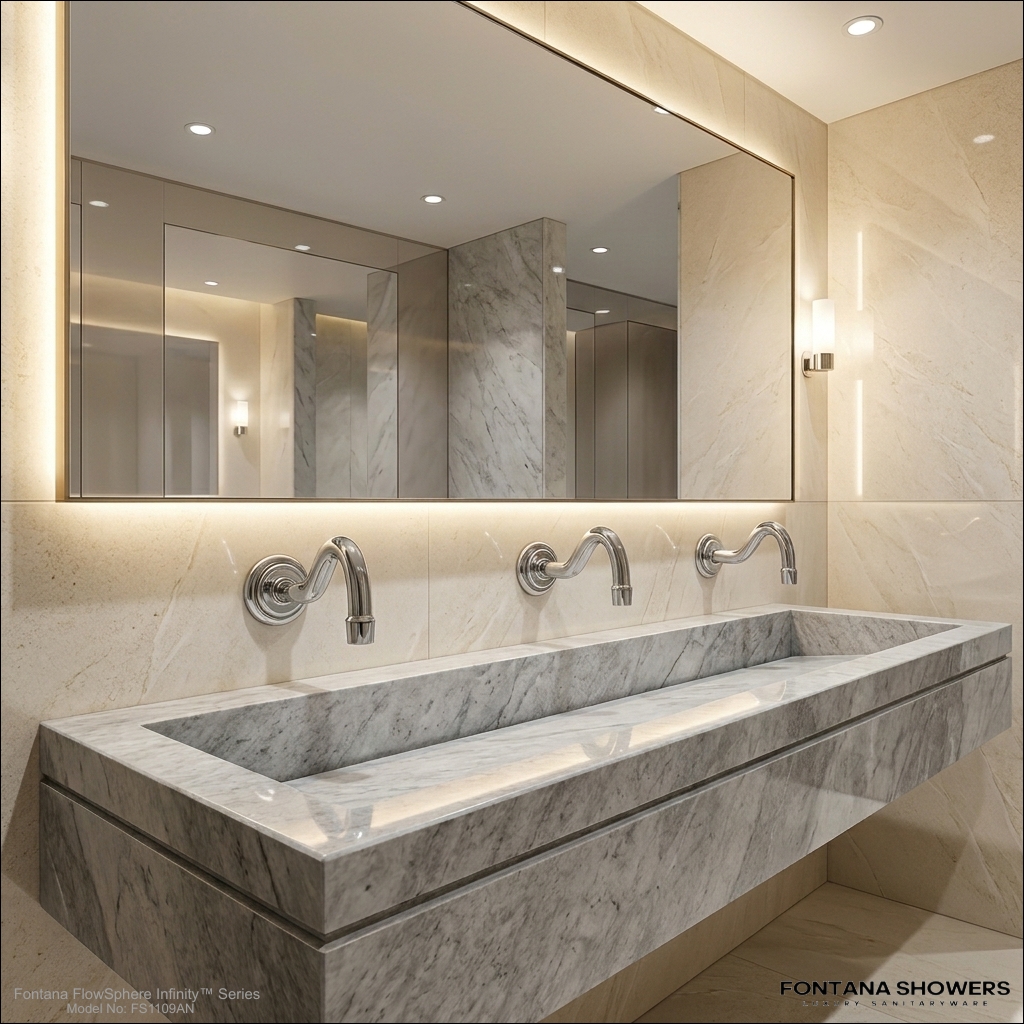
Instead of endorsing individual fixtures, the AEC team designs one standard module with sensor tap, automatic soap dispenser, basin, temperature-mixing approach, electrical connection, isolation valve and accessible service zone.
AEC Team Coordination
The architect checks reach, counter thickness, splash control and finish. The plumbing engineer checks pressure, flow, temperature and shut-off behaviour. The electrical engineer manages transformers and access. Facilities personnel review refill frequency, battery replacement, filter cleaning and spare parts requirements.
Read MoreShow Less
A full-scale mock-up is tested with water and the approved soap before repetitive fabrication is started. This process reduces installation variability, enhances commissioning, simplifies staff training and delivers a consistent occupant experience across the building.



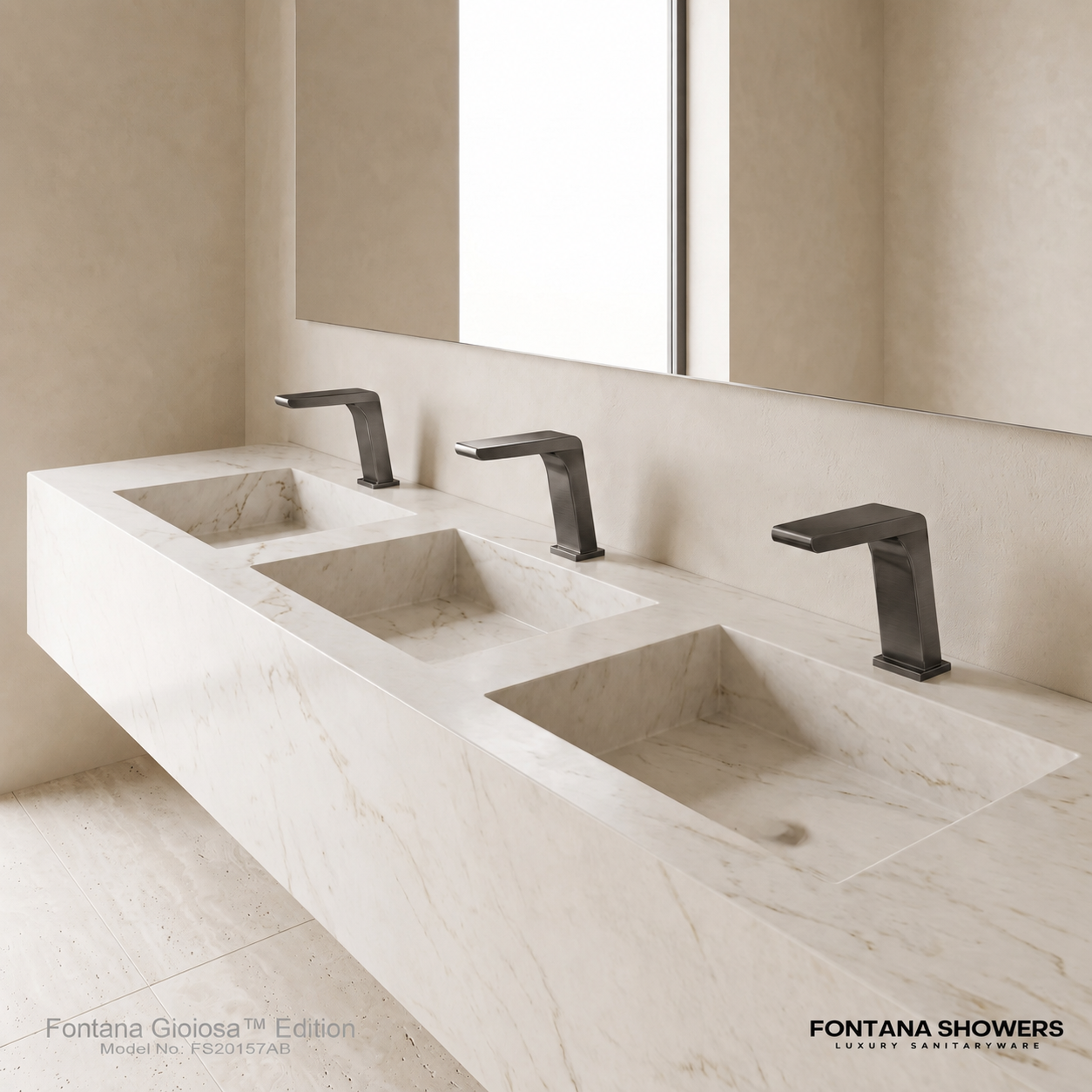
How to Write an Authority Grade Restroom Specs
Basis-of-Design Project Record
Basis-of-design criteria, current technical data, accessibility review, plumbing calculations, control diagrams, finish schedules, mockup results, commissioning forms, preventive-maintenance procedures should be part of an indexable, defensible project record.
The functional testing of each sensor, automatic shutoff cycle, outlet temperature, timed water flow and soap dose should be specified. It should also require availability of replacement parts, equipment cleaning instructions, warranty information and identification of critical spare parts.
FontanaTouchlessFaucets
FontanaTouchlessFaucets’ touchless commercial soap dispensers and related sensor-faucet systems offer AEC teams a wide platform for healthier public-restroom design. Their greatest value is realised when products are selected against measurable criteria and integrated with WELL objectives, accessibility, water stewardship, infection-risk awareness and lifecycle operations.
WELL Healthy Building Bathroom Products
WELL healthy building bathroom products aren’t cosmetic extras. They are working parts of a people-centered building system. When all the senses, hydraulics, soap delivery, basin shape, power, accessibility and maintenance are engineered together, the lavatory becomes a verifiable contributor to occupant confidence, resource control and long-term facility resilience.
Related Links, Technical Resources and Authority Sources
Selected product, specification, accessibility, water-efficiency, health, plumbing and facility-operation references relevant to WELL-aligned commercial wash-station design.