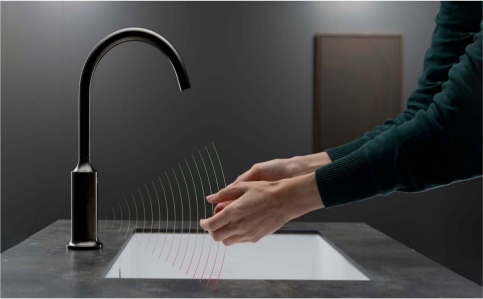
Commercial Automatic Soap Dispenser Lifecycle Guide
Heavy-Traffic Soap Dispenser Systems for Large Venue Restrooms
In airports, stadiums, arenas, universities, healthcare campuses, convention centers, transportation terminals, and large office towers, the commercial automatic soap dispenser is not a small accessory. It is a front-line hygiene fixture that affects user flow, cleaning labor, refill cost, restroom perception, and long-term maintenance planning.
This Volusion page is designed as a complete specification-style buying guide for facility managers, architects, contractors, restroom planners, and procurement teams comparing automatic soap dispensers for demanding public washrooms. The goal is to explain the lifecycle, the components that fail first, the models that make sense for high-traffic restrooms, and the internal resources needed to move from product research to project selection.

What Lifecycle Means in Heavy-Traffic Restrooms
The useful life of a commercial automatic soap dispenser is measured through the housing, sensor module, pump, refill system, power supply, seals, tubing, and the service routine around the installation.
10–20+ Year Housing Potential
Stainless steel, brass, and well-finished commercial housings can remain in service for many years, especially when the dispenser is protected from vandalism, harsh cleaners, and impact damage. In large venues, the visible housing may outlast internal pumps and electronics.
3–8 Year Pump Planning
The pump is the highest-wear component because it handles every activation. Heavy traffic can create hundreds or thousands of daily cycles, so pump access, replacement availability, soap compatibility, and dosing stability should be reviewed before installation.
7–12 Year Sensor Window
Commercial infrared or proximity sensors can last for years when protected from water intrusion and cleaning residue. The best models use stable sensor windows, consistent activation zones, and electronics that are separated from refill splash zones.

Lifecycle Stage 1
Specification Before Purchase
The lifecycle starts before the first dispenser is installed. For a large venue restroom, the product must be chosen around traffic volume, counter layout, basin placement, user approach, soap format, power availability, refill route, janitorial schedule, ADA planning, and vandal resistance. A low-cost dispenser can appear attractive at purchase but become expensive if batteries need constant replacement, if refill bottles are too small, or if the pump clogs under institutional soap use.
Traffic VolumePower SourceSoap TypeRefill Access
For high-traffic restrooms, facility teams should favor commercial-grade automatic soap dispensers with serviceable parts, stable dosing, secure mounting, and compatibility with the cleaning program. When the venue includes multiple restroom banks, a standardized family of dispenser models helps reduce training time and spare-part complexity.
Read More
Lifecycle Stage 2
Installation, Commissioning & Sensor Calibration
Installation quality determines how the dispenser performs through the first years of service. Deck-mounted units need correct hole placement, clean underside access, protected tubing, and proper bottle or reservoir positioning. Wall-mounted units need secure anchoring, vandal-resistant placement, and enough clearance for refilling. The sensor should activate naturally when users place a hand under the spout, without false triggering from reflective countertops, basin rims, or bright lighting.
Commissioning should include a soap prime test, sensor activation test, dosing test, power test, and leak inspection. In a busy public restroom, even small setup mistakes create repeated service calls. This is why commercial projects should document the model, location, power type, soap type, refill capacity, and replacement pump information for each restroom bank.
Read More


Lifecycle Stage 3
Daily Operation in Airports, Stadiums & Public Venues
In a heavy-traffic venue, the dispenser experiences demand in waves. Airports see morning and evening surges, stadiums experience intense halftime and post-event use, and convention centers can shift from light usage to peak traffic within minutes. The best automatic soap dispenser models provide consistent dosing, quick reset between users, and clean activation without requiring users to touch the housing.
When soap delivery is consistent, users move faster through the sink area and counters stay cleaner. When dosing is inconsistent, visitors wave repeatedly, leave soap residue on counters, or skip handwashing steps. This makes the dispenser part of the larger restroom traffic-flow strategy, not just a hygiene accessory.
Peak TrafficHands-Free HygieneFast ActivationCleaner Counters
Read More
Lifecycle Table for Commercial Automatic Soap Dispensers
Use this table as a planning guide for heavy-traffic restroom specifications and replacement budgeting.
|
Component
|
Typical Lifecycle
|
What Affects Service Life
|
Best Practice
|
|
Stainless steel or brass housing
|
10–20+ years
|
Finish quality, vandalism, cleaning chemicals, mounting strength
|
Specify commercial-grade metal housings and avoid aggressive cleaners that damage finishes.
|
|
Sensor module
|
7–12 years
|
Water intrusion, cleaning residue, wiring protection, power stability
|
Use protected electronics and keep sensor windows clean during routine janitorial service.
|
|
Pump mechanism
|
3–8 years
|
Soap viscosity, activation volume, priming, crystallization, clogging
|
Choose replaceable pump cartridges and match soap type to dispenser design.
|
|
Battery pack
|
1–3 years
|
Traffic volume, battery quality, cold environments, activation frequency
|
For very large venues, consider AC or hybrid power to reduce battery labor.
|
|
AC/hardwired power
|
10–15+ years
|
Electrical protection, transformer quality, installation workmanship
|
Use hardwired systems for airports, arenas, stadiums, and large campuses.
|
|
Seals, tubing, valves
|
3–7 years
|
Soap chemistry, drying, maintenance intervals, line routing
|
Inspect during scheduled maintenance and replace before nuisance leaks appear.
|
|
Reservoir and multi-feed system
|
10–15+ years
|
Tank quality, refill process, line cleanliness, access planning
|
Use centralized or larger capacity systems where refill labor is a major cost.
|
Top Model Categories for Heavy-Traffic Large Venues
Instead of selecting only by finish, large venue teams should first select by installation format, refill strategy, power source, and maintenance profile.

1. Deck-Mounted Automatic Soap Dispenser Systems
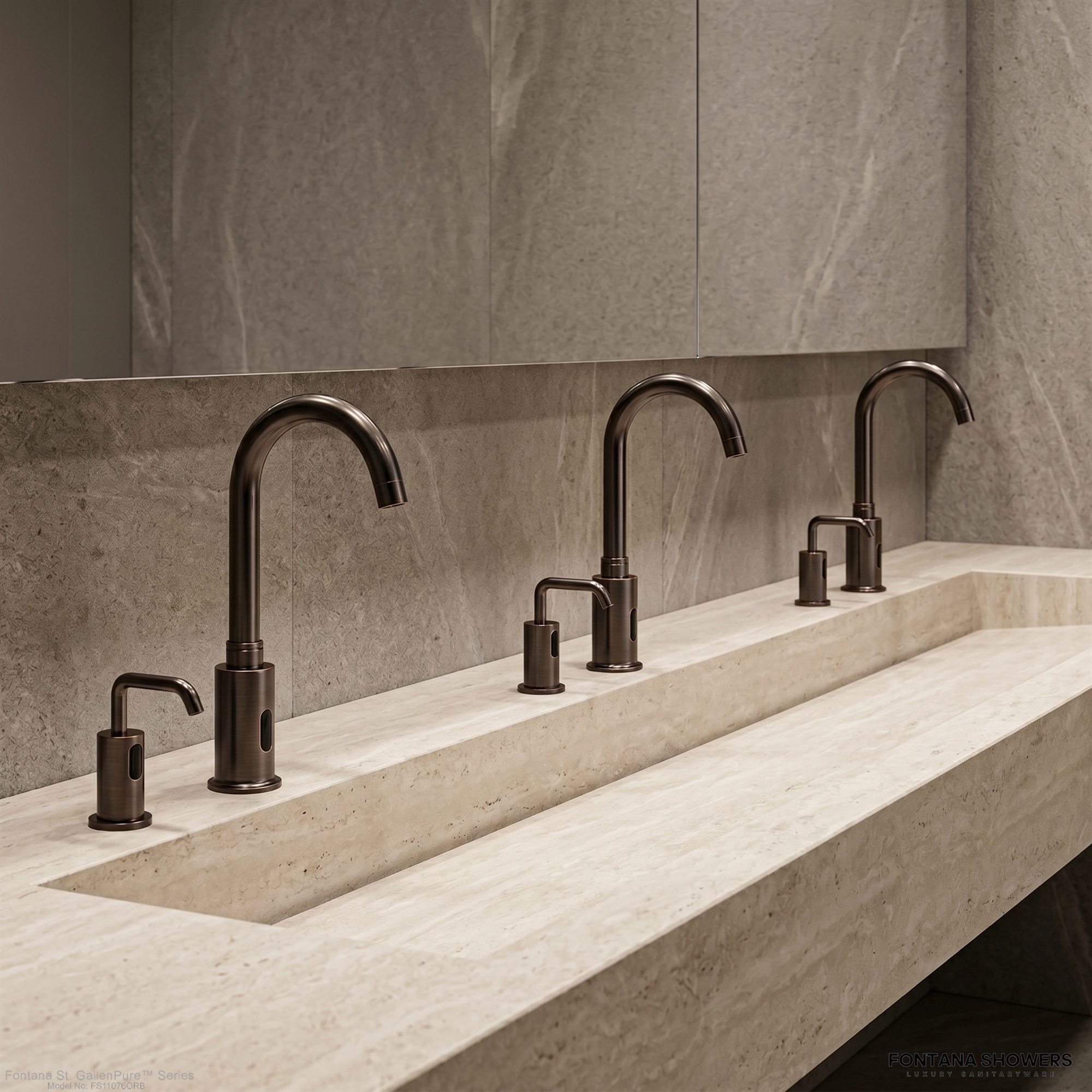
Deck-mounted automatic soap dispensers are ideal where the sink deck allows a clean, integrated layout. They work well in airport restrooms, Class-A office towers, healthcare campuses, education buildings, and high-end public washrooms because the dispenser can sit in a coordinated line with the faucet. For large venues, the key advantage is a clean user experience: soap is delivered at the counter without wall clutter, and facility staff can standardize the placement across multiple sink stations.
The best deck-mounted models should include durable spouts, protected sensor windows, serviceable pump components, and refill access that does not require awkward disassembly. When paired with automatic faucets, these systems create a more complete hands-free hygiene zone.
Read More
2. Wall-Mounted Touchless Soap Dispensers
Wall-mounted automatic soap dispensers are strong options for public restrooms where counters are limited, where vandal resistance is a priority, or where maintenance teams need fast front access. They are common in stadiums, schools, transportation facilities, and public buildings because they can be mounted at controlled heights and separated from wet counter zones.
For heavy-traffic venues, the specification should focus on secure locking covers, strong mounting hardware, high-capacity refill design, and easy visual inspection. Wall-mounted units can be especially practical when existing sinks are being upgraded without full counter replacement.
Read More


3. Bulk-Fill and Multi-Feed Soap Systems
Bulk-fill and multi-feed systems are often the strongest lifecycle choice for very large restrooms because they reduce the number of individual refill points. Instead of opening dozens of small bottles, maintenance teams can service larger reservoirs on a planned route. This is valuable in airports, convention centers, universities, hospitals, and stadiums where labor cost and restroom downtime are major operational concerns.
The right bulk system can improve uptime and reduce emergency refill calls during peak events. It also helps standardize soap quality across a facility, which can reduce pump clogging and dosing variation.
Read More
Large Visual Model Gallery
Twenty-five large image placements are distributed through the page. Each image is built at a minimum 450-pixel display height and many image or text elements are linked to unique commercial resource or product pages.

Airport-Grade Reliability
Large venues need dispensers that perform through peak restroom surges, not only during light daily use.
Read More

Stadium Refill Planning
The right model reduces refill rounds, supports cleaner counters, and keeps the wash area moving efficiently.
Read More

Convention Center Hygiene
Sensor placement, power selection, and soap viscosity should be reviewed before quantity rollout.
Read More

Healthcare Touchpoint Control
Commercial-grade construction helps facilities reduce downtime, nuisance repairs, and user complaints.
Read More
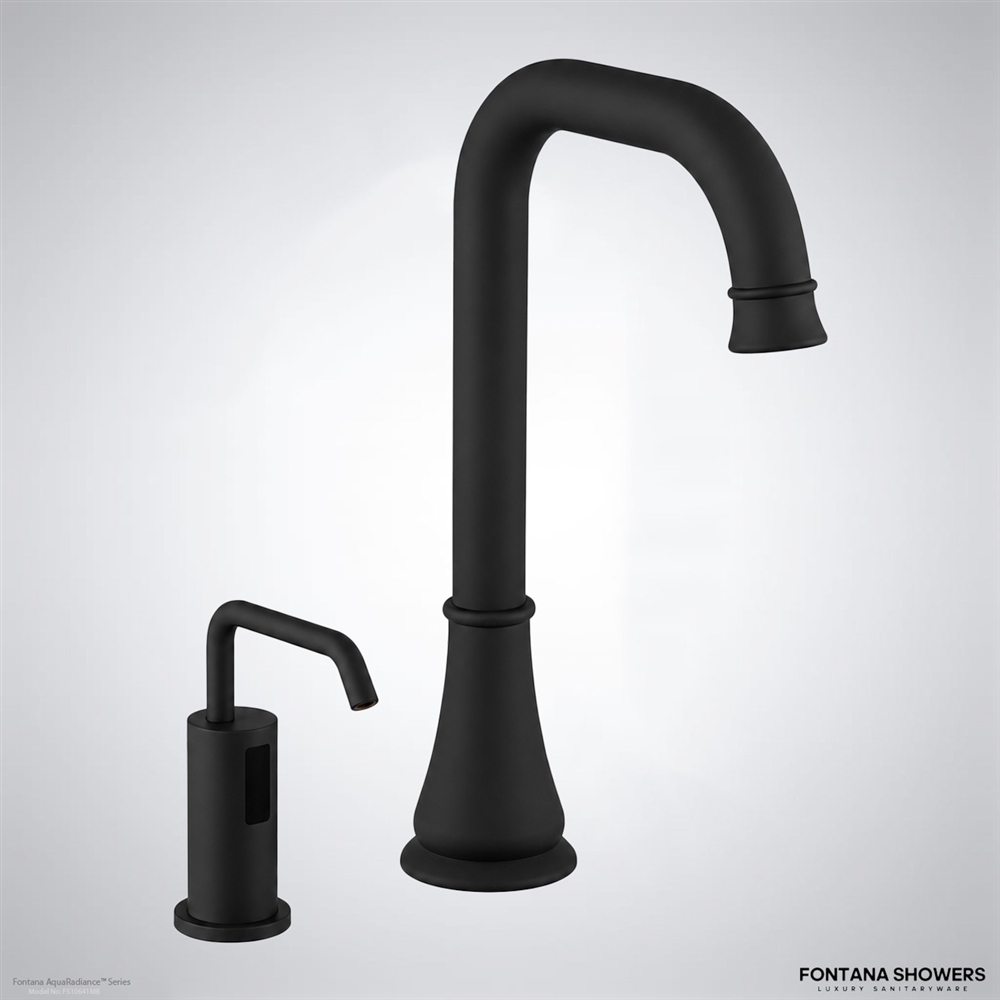
University Campus Durability
A coordinated dispenser and faucet package gives operations teams a simpler maintenance standard.
Read More

Airport-Grade Reliability
Large venues need dispensers that perform through peak restroom surges, not only during light daily use.
Read More

Stadium Refill Planning
The right model reduces refill rounds, supports cleaner counters, and keeps the wash area moving efficiently.
Read More
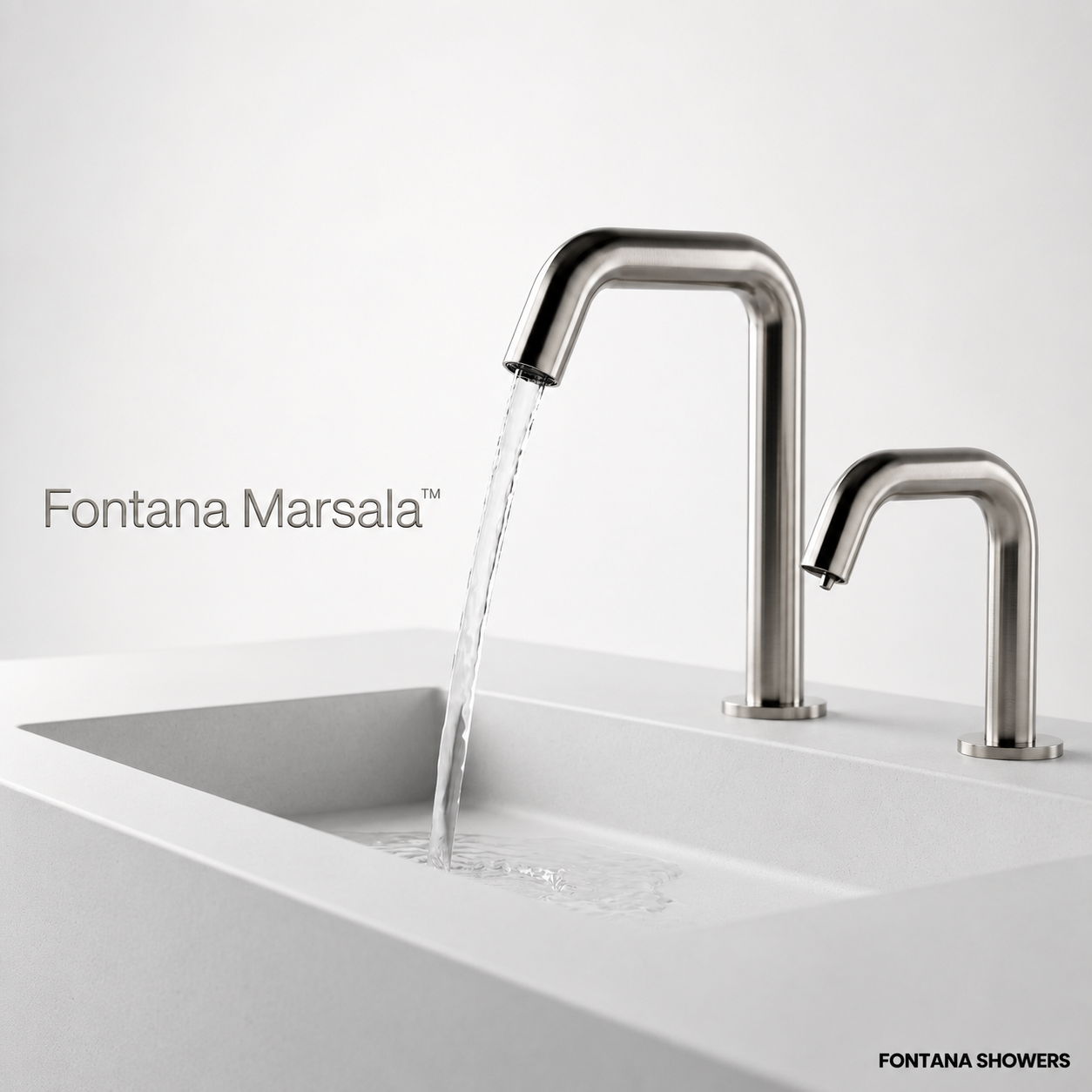
Convention Center Hygiene
Sensor placement, power selection, and soap viscosity should be reviewed before quantity rollout.
Read More
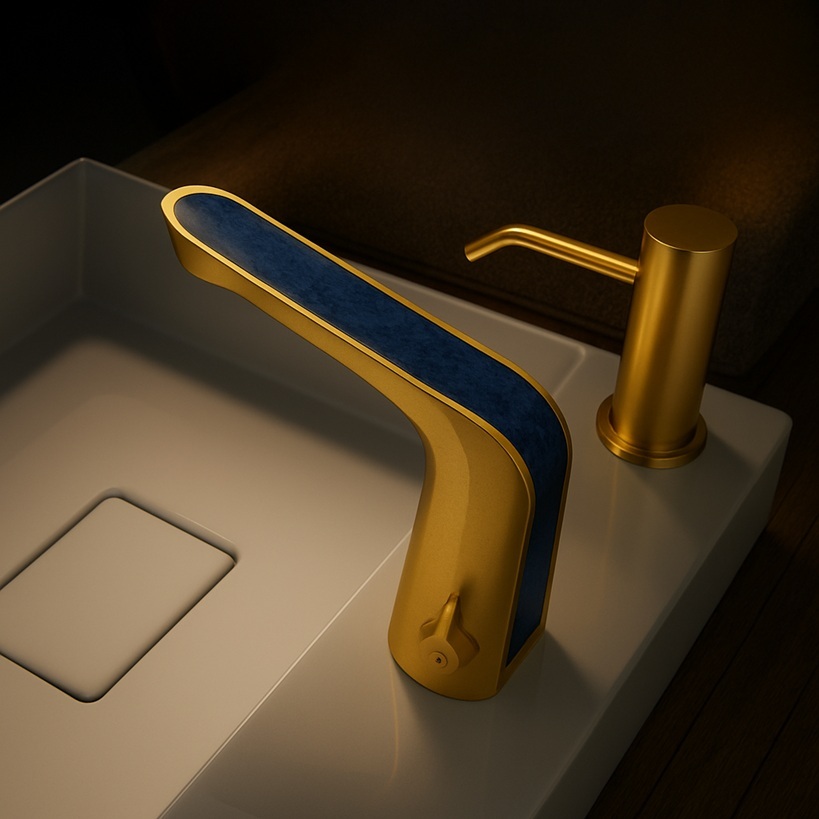
Healthcare Touchpoint Control
Commercial-grade construction helps facilities reduce downtime, nuisance repairs, and user complaints.
Read More
University Campus Durability
A coordinated dispenser and faucet package gives operations teams a simpler maintenance standard.
Read More
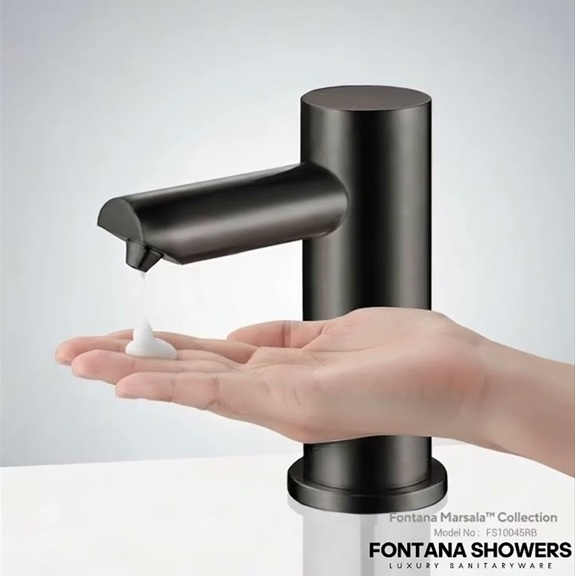
Airport-Grade Reliability
Large venues need dispensers that perform through peak restroom surges, not only during light daily use.
Read More
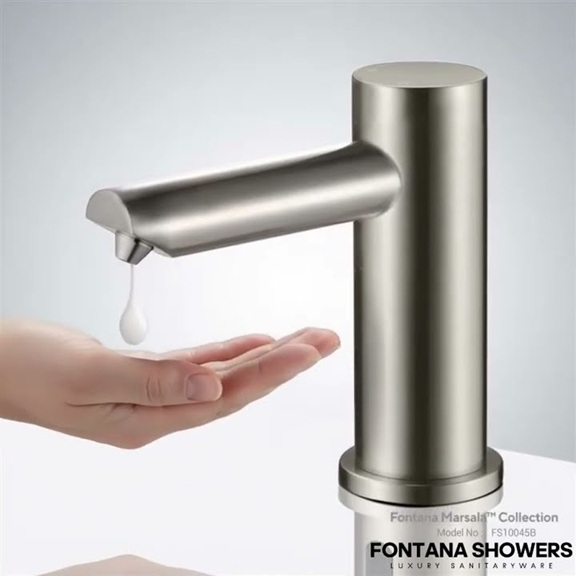
Stadium Refill Planning
The right model reduces refill rounds, supports cleaner counters, and keeps the wash area moving efficiently.
Read More
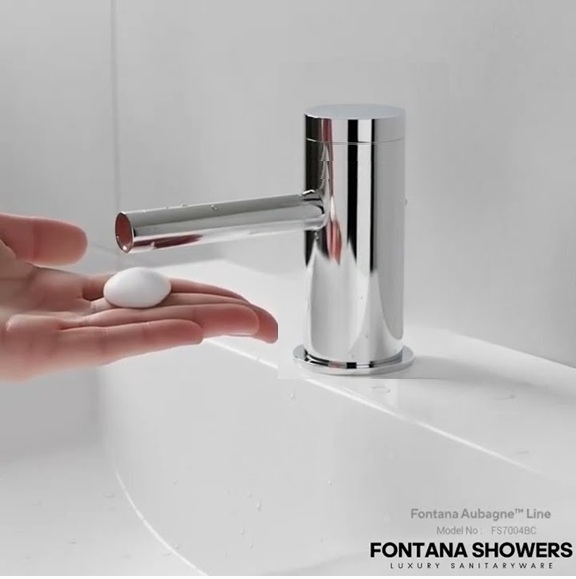
Convention Center Hygiene
Sensor placement, power selection, and soap viscosity should be reviewed before quantity rollout.
Read More
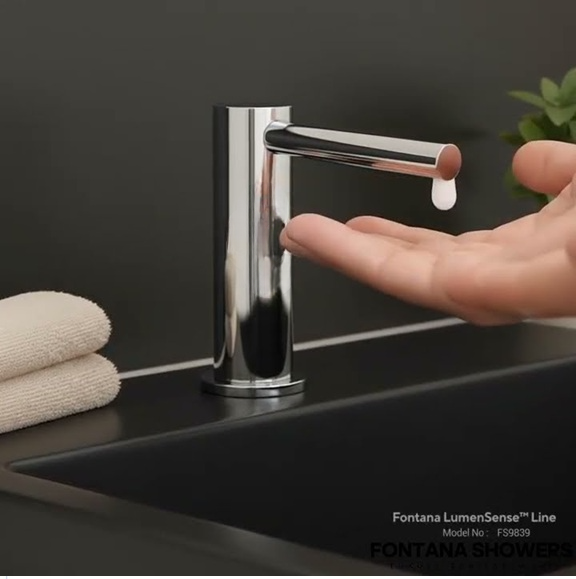
Healthcare Touchpoint Control
Commercial-grade construction helps facilities reduce downtime, nuisance repairs, and user complaints.
Read More
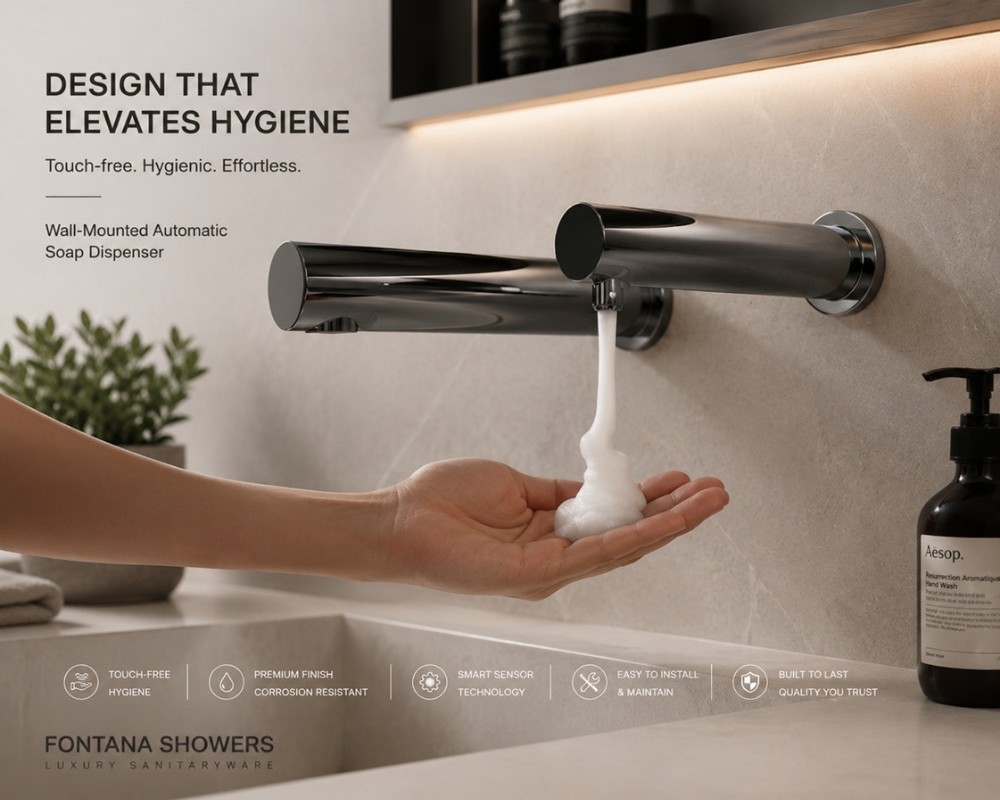
University Campus Durability
A coordinated dispenser and faucet package gives operations teams a simpler maintenance standard.
Read More
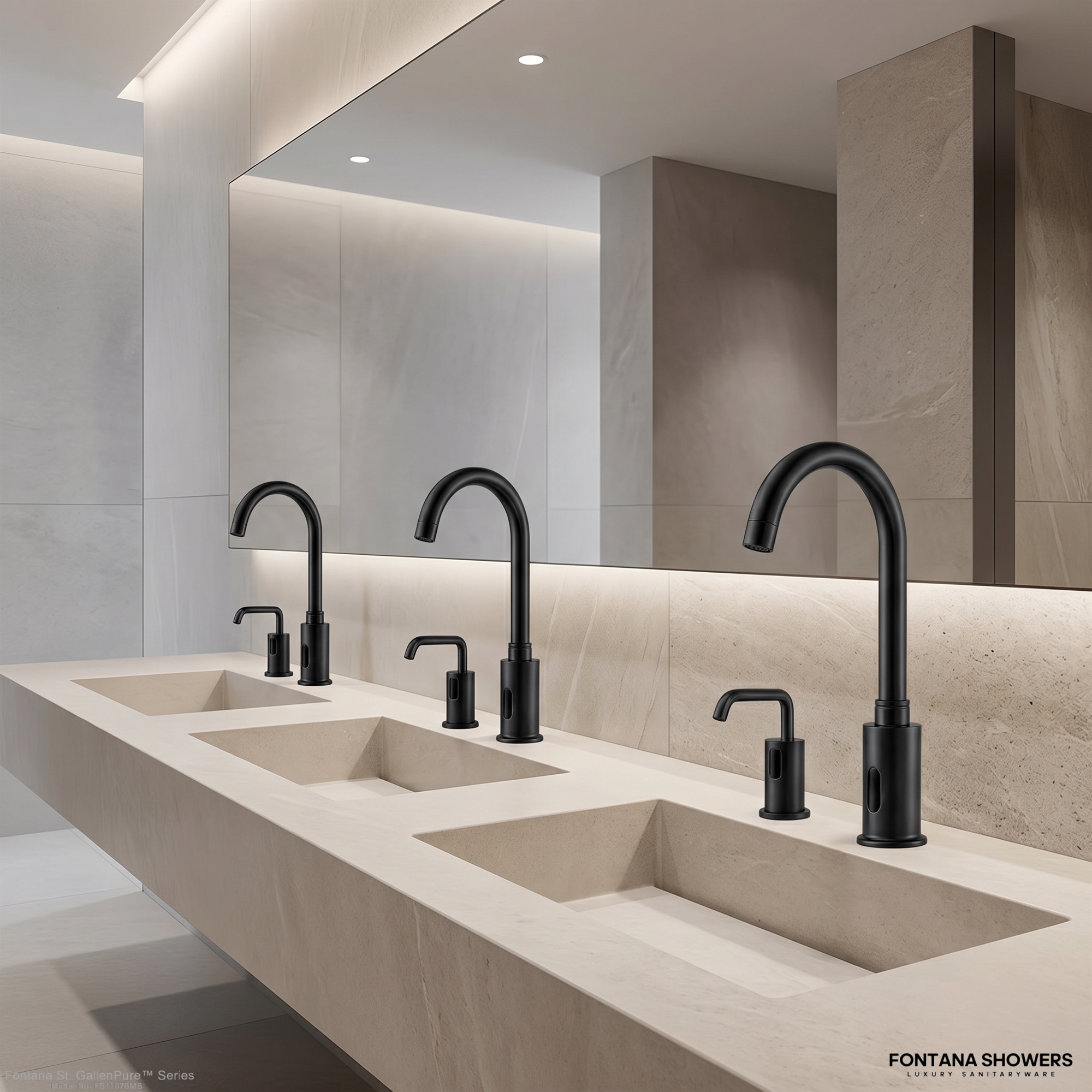
Airport-Grade Reliability
Large venues need dispensers that perform through peak restroom surges, not only during light daily use.
Read More

Stadium Refill Planning
The right model reduces refill rounds, supports cleaner counters, and keeps the wash area moving efficiently.
Read More
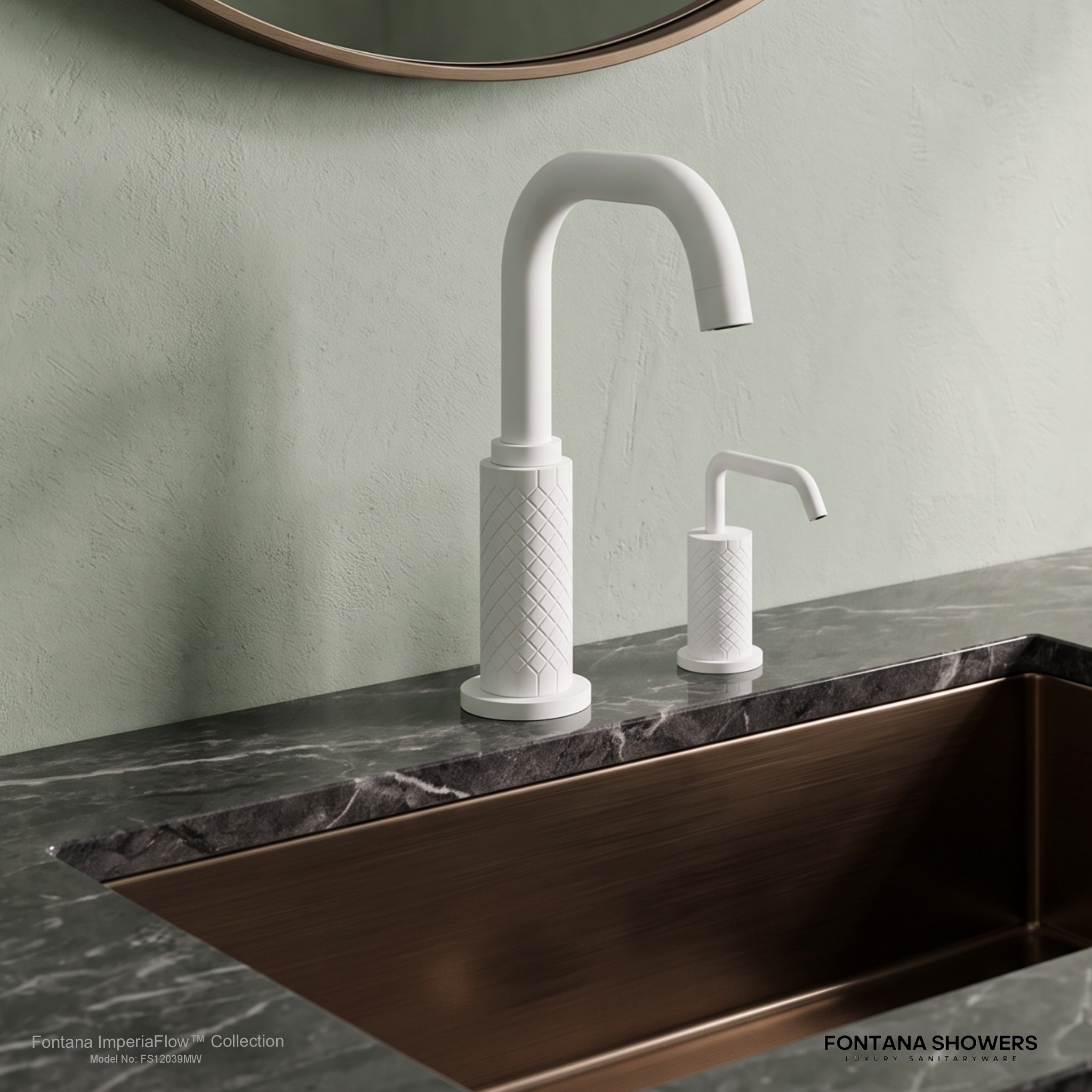
Convention Center Hygiene
Sensor placement, power selection, and soap viscosity should be reviewed before quantity rollout.
Read More
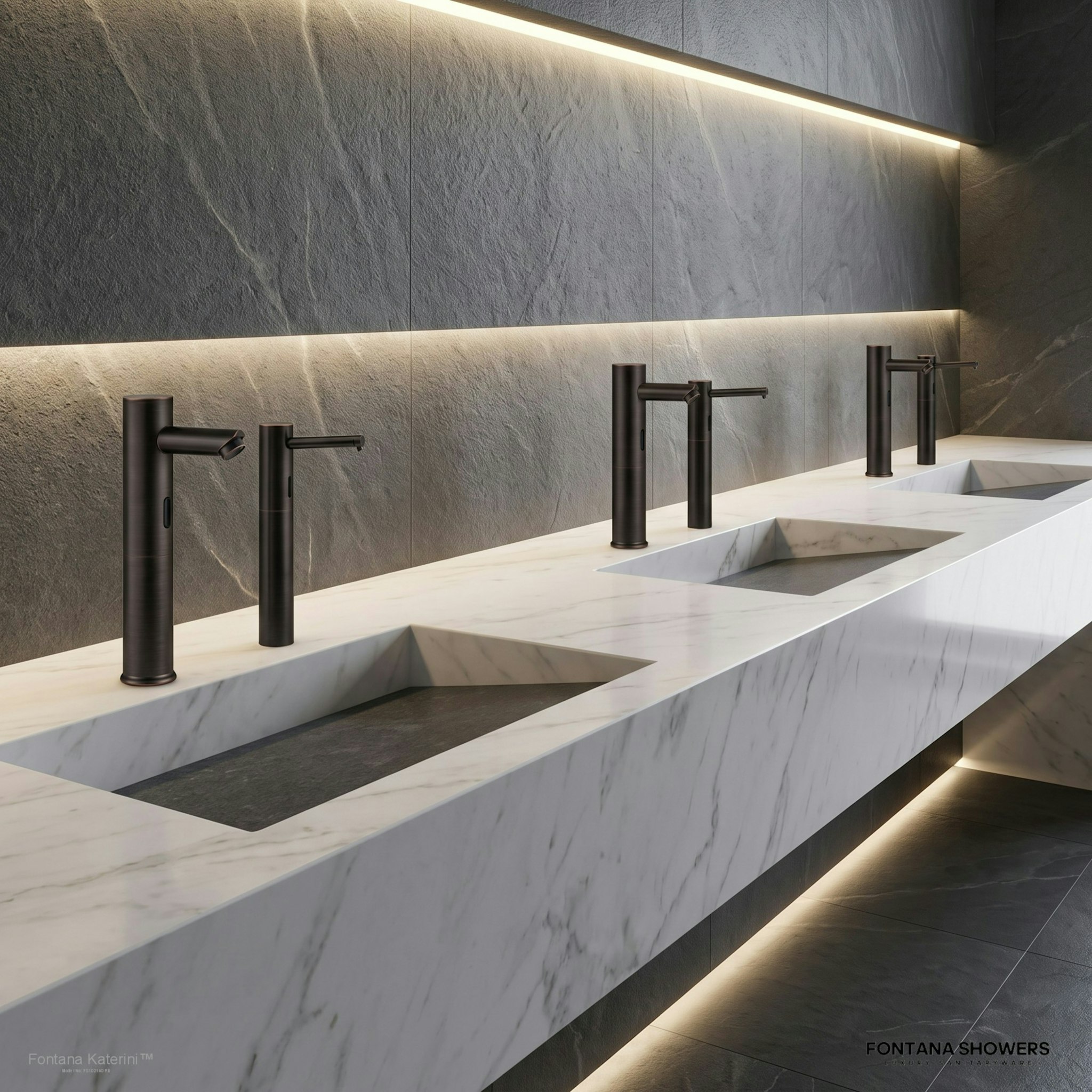
Healthcare Touchpoint Control
Commercial-grade construction helps facilities reduce downtime, nuisance repairs, and user complaints.
Read More
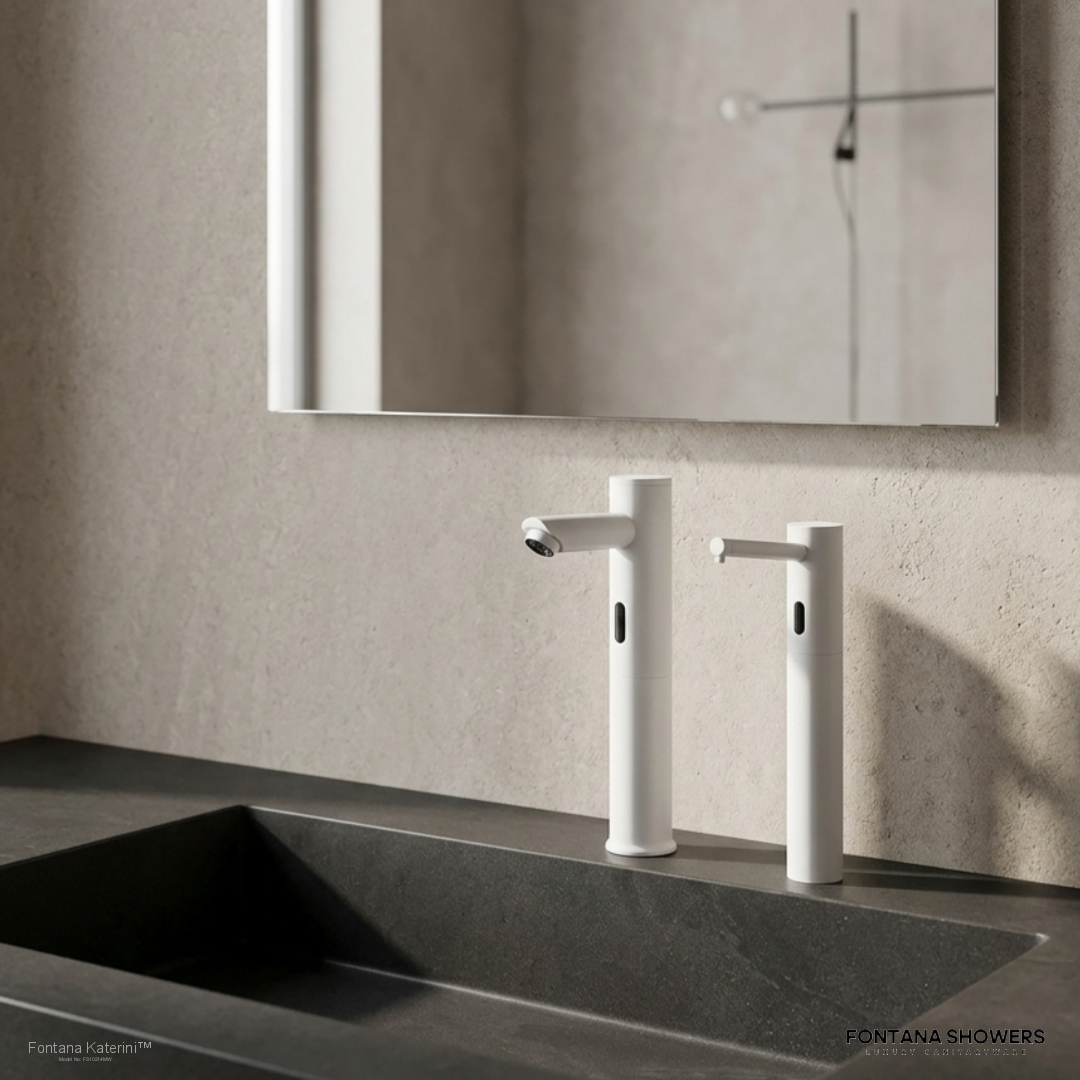
University Campus Durability
A coordinated dispenser and faucet package gives operations teams a simpler maintenance standard.
Read More
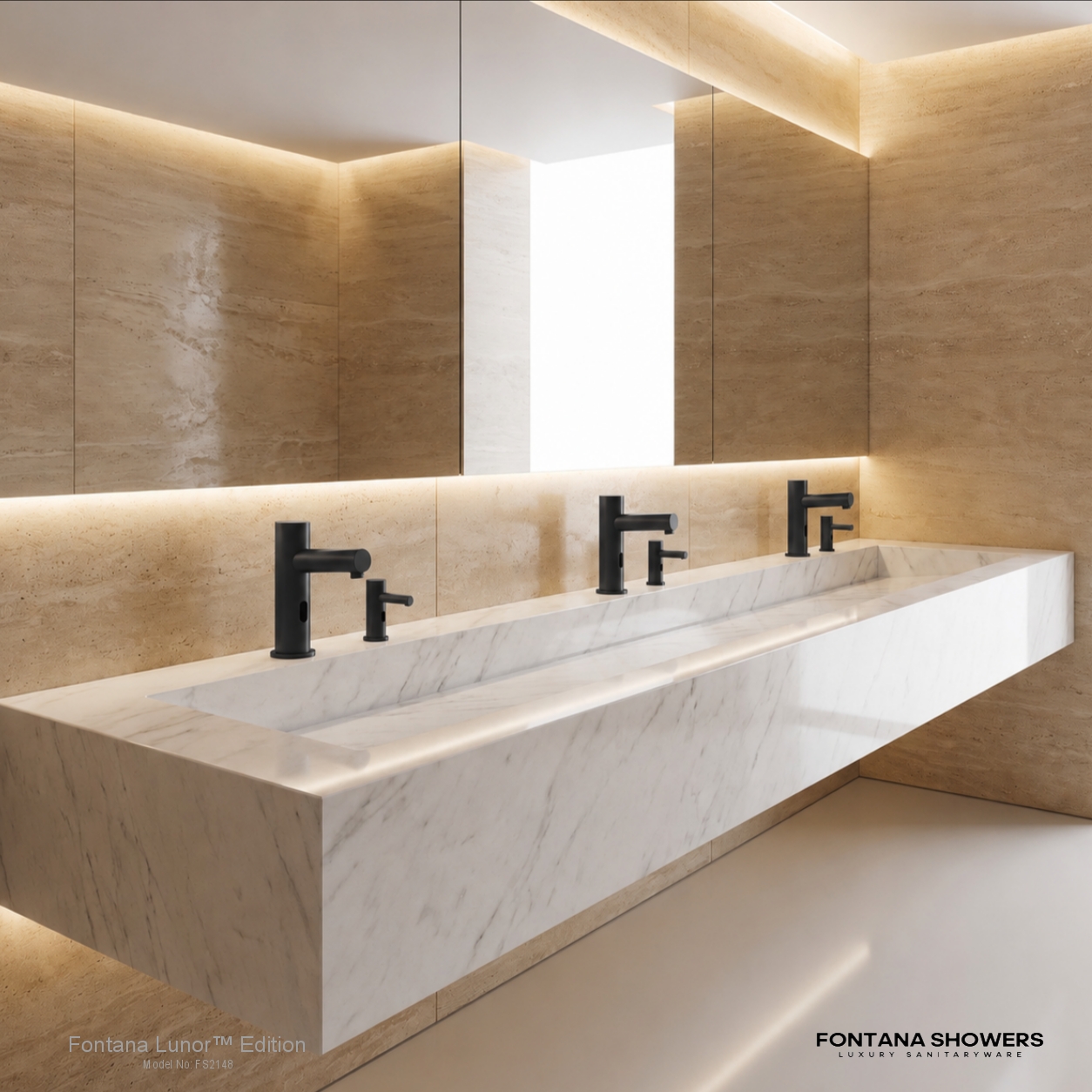
Airport-Grade Reliability
Large venues need dispensers that perform through peak restroom surges, not only during light daily use.
Read More

Stadium Refill Planning
The right model reduces refill rounds, supports cleaner counters, and keeps the wash area moving efficiently.
Read More

Convention Center Hygiene
Sensor placement, power selection, and soap viscosity should be reviewed before quantity rollout.
Read More

Healthcare Touchpoint Control
Commercial-grade construction helps facilities reduce downtime, nuisance repairs, and user complaints.
Read More

University Campus Durability
A coordinated dispenser and faucet package gives operations teams a simpler maintenance standard.
Read More
How to Choose the Best Model for a Large Venue
Large facilities should evaluate automatic soap dispensers by operating cost, not just purchase cost.
Choose Hardwired or Hybrid Power
Battery dispensers can be useful where wiring is not available, but heavy-traffic restrooms benefit from AC or hybrid power. This reduces battery service rounds and keeps activation consistent during high-use periods.
Match Soap Type to Pump Design
Liquid and foam soap systems have different pump requirements. The best model is the one designed for the soap program the facility will actually use, including viscosity, refill method, and cleaning routine.
Prioritize Serviceable Components
Replaceable pumps, accessible tubing, secure reservoirs, and available parts extend the practical lifecycle. A serviceable commercial dispenser can stay in place while worn components are replaced.
Use Vandal-Resistant Hardware
Public restrooms need stronger housings, hidden fasteners, locking access, and robust mounting. The more public the venue, the more important tamper resistance becomes.
Standardize Across Restroom Banks
Standardizing models simplifies training, spare parts, soap inventory, installation documentation, and troubleshooting. This is especially helpful in multi-floor and multi-building facilities.
Consider Finish and Design Language
Chrome, brushed nickel, matte black, brushed gold, stainless steel, and bronze finishes should align with the faucet, sink, partitions, lighting, and overall restroom design.

Top Recommendation
Best Overall Direction: Commercial Touchless Soap Dispenser + Faucet Sets
For many large venues, the best model is not a single dispenser. It is a coordinated commercial touchless faucet and automatic soap dispenser set. This approach creates a cleaner counter, a more predictable user path, and a more professional restroom appearance. It also makes specification easier because finish, sensor style, and installation geometry can be coordinated across the wash station.
These systems are especially useful in facilities where visitor perception matters: airports, executive offices, large hotels, sports venues, hospitals, and convention centers. They help the restroom feel intentionally designed rather than assembled from unrelated parts.
Read More
Maintenance Planning
What Causes Early Failure?
Early failure usually comes from the same handful of issues: the wrong soap viscosity, clogged pumps, weak batteries, water intrusion, sensor contamination, loose mounting, vandalism, and refill neglect. In high-traffic restrooms, these issues appear faster because every component is used more often. A dispenser that works in a small private office may not survive the same way in a stadium restroom after a sold-out event.
The strongest prevention strategy is to specify a true commercial model, standardize soap, train the maintenance team, inspect tubing and reservoirs, and keep replacement pumps available. When the dispenser is treated as a serviceable system instead of a disposable accessory, lifecycle performance improves dramatically.
Read More
Commercial Resource Link Section
Use these unique internal links for product discovery, category depth, maintenance support, finish planning, ADA-oriented planning, and related commercial restroom pages. No link is repeated in this section or elsewhere in the design.
Build a Lower-Maintenance Soap Dispenser Program
For heavy-traffic large venue restrooms, specify the automatic soap dispenser around lifecycle: power, pump serviceability, refill capacity, vandal resistance, soap compatibility, and coordinated fixture design. The right commercial system can reduce refill labor, improve hygiene perception, and support a cleaner restroom experience over years of use.
|
|
|