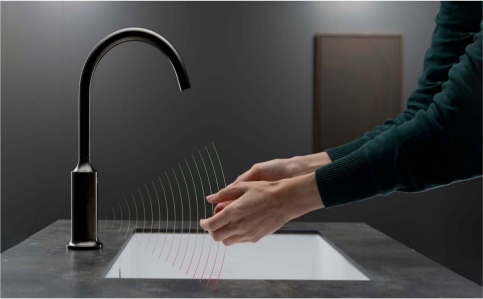
Stainless Steel Automatic Foaming Soap Dispensers for Commercial Hygiene Systems
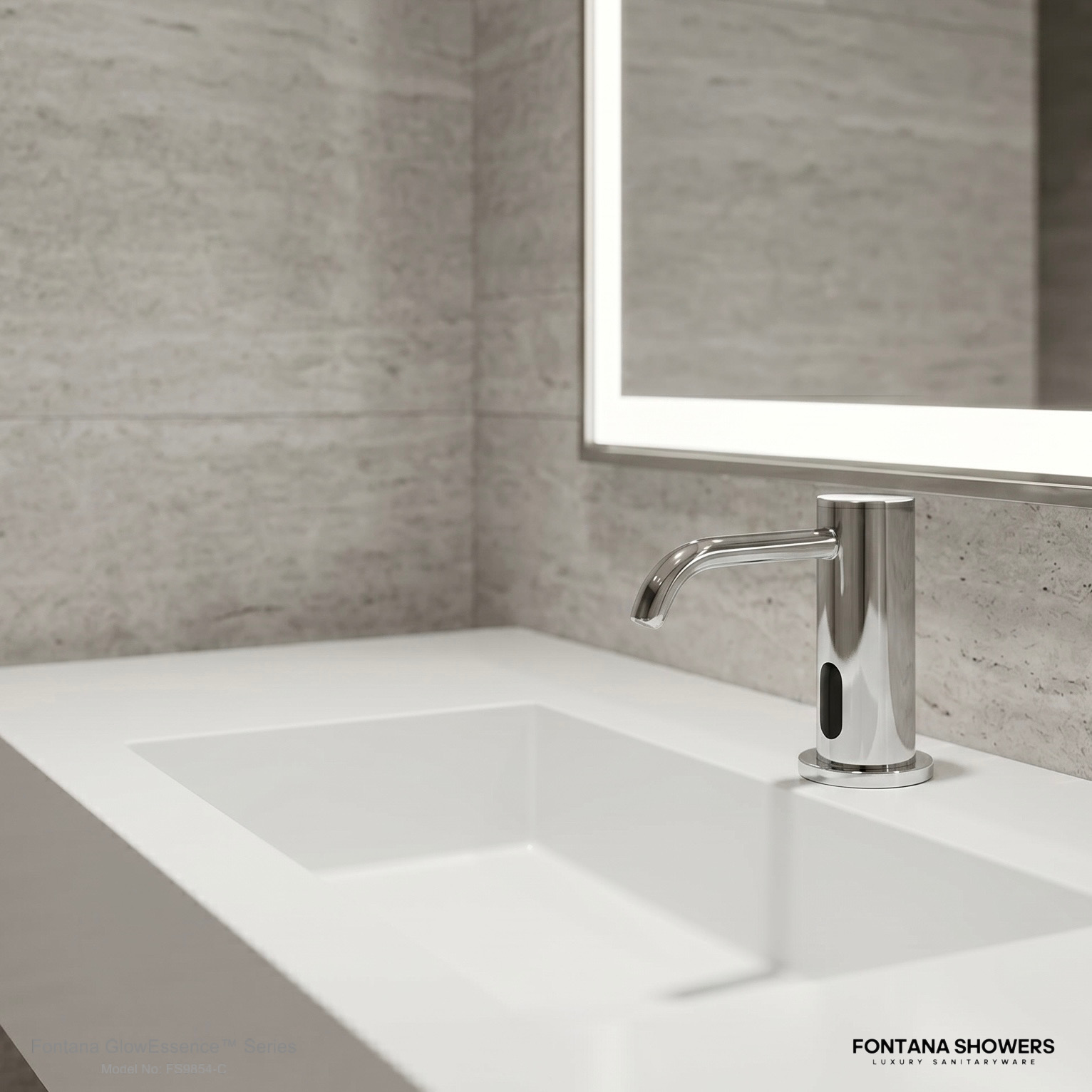
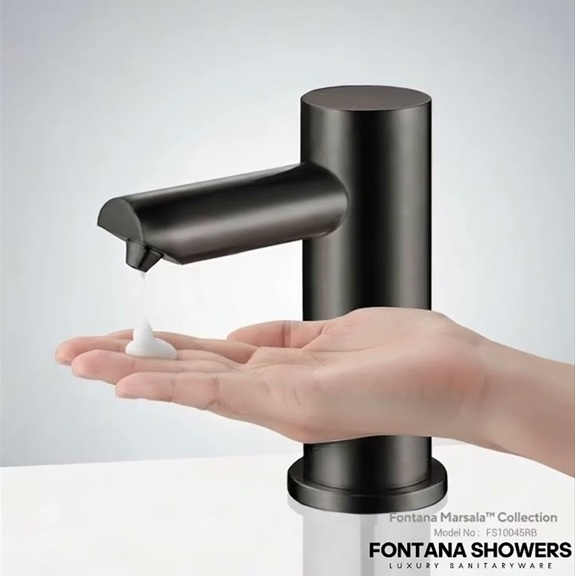
Stainless steel automatic foaming soap dispensers are engineered for commercial washrooms where hygiene reliability, corrosion resistance, and consistent dispensing performance are essential. Touchless infrared activation provides controlled foam delivery with minimal user contact, while durable stainless steel construction supports frequent use in healthcare, hospitality, airport, education, food-service, and public restroom environments.
Material Protection
Stainless steel supports resistance to moisture, wear, and cleaning agents.
Service Access
Refill, pump, power, and tubing access should be coordinated during planning.
Engineering and Specification Guidance
Unlike manual dispensers that may contribute to cross-contamination, soap residue accumulation, inconsistent foam output, and unnecessary maintenance, touchless infrared technology provides controlled, hands-free dispensing with minimal user contact. Precision infrared sensors activate only when hands enter the detection zone, helping reduce false triggering, excessive soap consumption, and dispensing interruptions. Stainless steel construction offers excellent resistance to moisture, corrosion, cleaning chemicals, and heavy daily use, making these dispensers well suited for healthcare facilities, hospitality projects, airports, educational institutions, food-service environments, and other high-traffic commercial restrooms.
From a specification standpoint, professionals should evaluate sensor response accuracy, pump reliability, refill accessibility, power configuration, ingress protection, and compatibility with commercial foaming soap formulations to minimize downtime and maintenance requirements. Industry guidance from
NSF,
IAPMO,
ASME,
and
ASSE
supports performance and plumbing best practices, while sustainable restroom planning may align with recommendations from
EPA WaterSense,
USGBC,
and the
WELL Building Standard.
Architects and designers frequently reference resources from
AIA,
NKBA,
and
Hospitality Design
when specifying touch-free restroom systems that help mitigate clogging, corrosion, inconsistent soap delivery, microbial transfer, and long-term operational inefficiencies.
Sensor Detection
Confirm sensing range, activation speed, and performance near reflective or dark basin materials.
Foam Pump Output
Evaluate dose volume, foam consistency, pump recovery time, and resistance to internal clogging.
Soap Compatibility
Verify required viscosity, dilution ratio, and compatibility with commercial foaming formulations.
Power Configuration
Coordinate battery replacement, hardwired power, transformer location, and expected service intervals.
Refill and Maintenance
Review reservoir capacity, tubing access, refill frequency, and under-counter service clearance.
Automatic Soap Dispensers for Controlled, Touch-Free Handwashing
Automatic soap dispensers support cleaner handwashing stations by reducing direct fixture contact and delivering a repeatable quantity of soap at each activation. For commercial projects, the correct dispenser should be selected around soap viscosity, sensor range, reservoir access, mounting configuration, power supply, countertop conditions, and expected daily traffic.
The options below organize key dispenser formats by installation method, material, soap type, and project application so architects, contractors, facility teams, and restroom planners can compare practical operating requirements before specification.
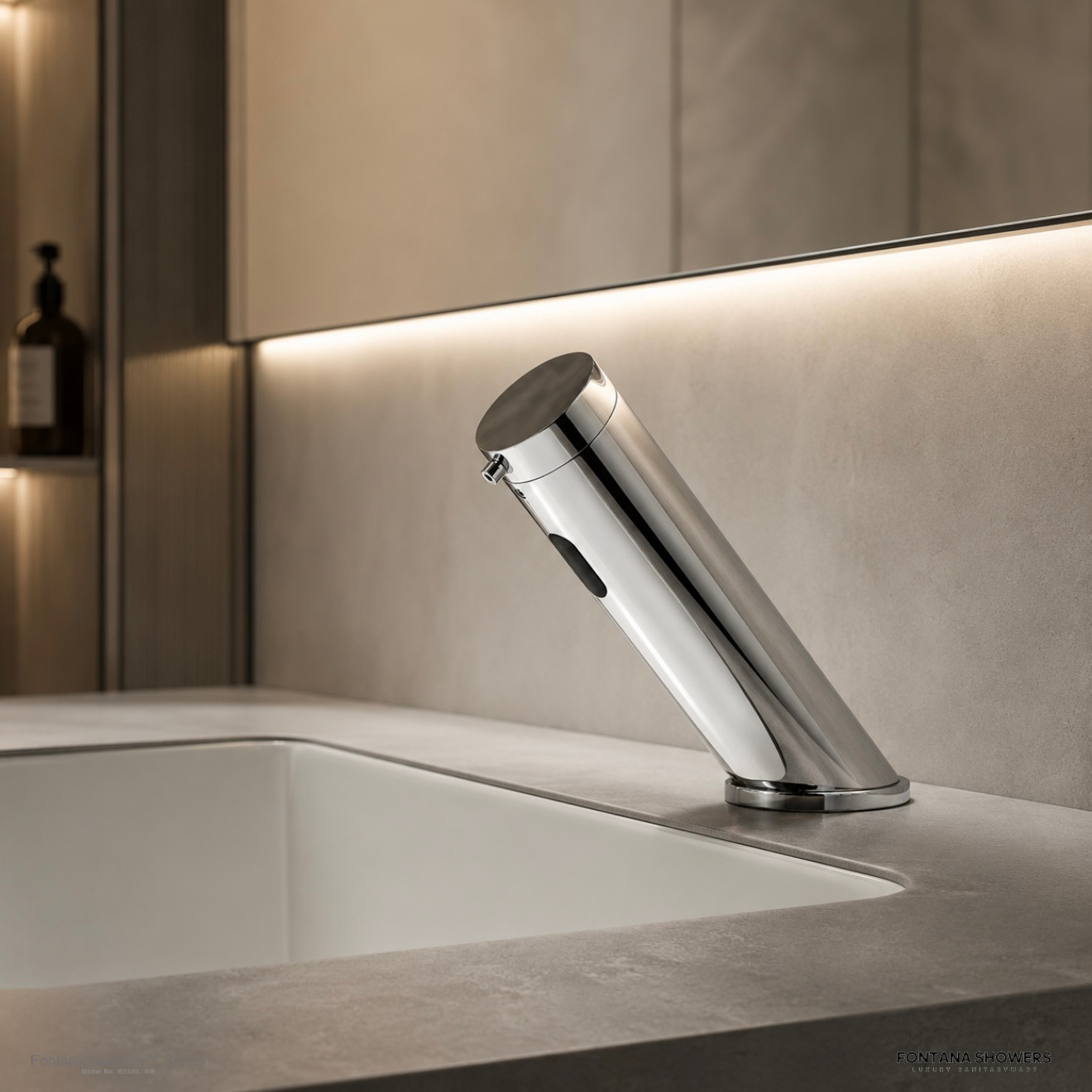
alt="Commercial automatic soap dispenser and touchless handwashing installation" loading="lazy"/>
Specify around soap format, installation access, activation zone, refill frequency, electrical routing, and serviceability.
Sensor PerformanceConfirm detection distance, response consistency, false-trigger control, and compatibility with reflective basins.
Soap CompatibilityMatch the pump assembly to liquid or foam soap viscosity to prevent weak output, dripping, or blockage.
Power StrategyCoordinate battery access or hardwired power routing with the vanity, wall cavity, and maintenance plan.
Service AccessAllow practical access to reservoirs, tubing, pumps, control modules, and refill points after installation.
Explore Automatic Soap Dispenser Configurations
Each card highlights a different technical or application-based category using a consistent, square-image presentation.
Integrated Wash Station
Automatic Soap Faucet Systems
Coordinate water and soap activation within one handwashing zone for a cleaner countertop and more intuitive user movement.
Sensor-zone coordination
Shared vanity planning
Commercial traffic suitability
Planning Notes
Check the distance between soap outlet, faucet spout, basin edge, and user hand position. Independent sensor zones should not overlap or trigger from reflected movement.
Foam-compatible pumps mix soap and air to provide broad hand coverage while controlling the amount released per activation.
Foam-rated pump assembly
Controlled consumption
Corrosion-resistant housing
Soap and Pump Compatibility
Use only the soap concentration recommended for the pump. Excessively thick soap can reduce foam quality, overload the motor, and increase cleaning frequency.
Deck-mounted designs integrate into the vanity and keep the refill reservoir and control equipment concealed below the counter.
Counter drilling coordination
Below-deck clearance
Concealed reservoir planning
Rough-In Coordination
Confirm counter thickness, mounting-hole diameter, stem reach, tubing bend radius, reservoir position, and a service path that remains accessible after millwork installation.
Liquid systems provide a measured dose and should be calibrated around soap viscosity, discharge duration, nozzle position, and drip control.
Adjustable output volume
Viscosity compatibility
Nozzle drip evaluation
Commissioning Checks
Prime the tubing, confirm a clean shutoff after each dose, test activation from several hand positions, and verify that the outlet does not discharge onto the basin rim.
Combined units consolidate handwashing consumables and can simplify wall planning in busy public, workplace, and hospitality washrooms.
Dual-consumable servicing
User reach coordination
High-volume capacity planning
Operations Planning
Estimate simultaneous soap and towel demand, confirm refill-door clearance, and position the station so users can move from washing to drying without crossing circulation paths.
A professional specification considers more than appearance. Traffic level, refill labor, soap standardization, mounting access, basin geometry, power routing, cleaning procedures, and replacement-part support all affect long-term reliability.
Hotels and hospitality washrooms
Healthcare and clinical facilities
Corporate and public restrooms
Restaurants and food-service areas
Education and institutional buildings
Industrial and transportation facilities
Specification Checklist
Technical Selection Guidance
Before finalizing a dispenser, review the complete operating environment rather than selecting by finish alone. These checks help reduce installation conflicts, false activation, refill delays, and avoidable maintenance.
Mounting and ClearanceVerify counter thickness, hole size, wall depth, reservoir location, refill access, and clearance from the basin splash zone.
Activation and OutputConfirm sensor range, response time, dispensing duration, soap volume, and performance near reflective or dark basin materials.
Operations and MaintenanceReview refill frequency, battery replacement, tubing access, pump cleaning, spare-part availability, and compatibility with facility soap standards.




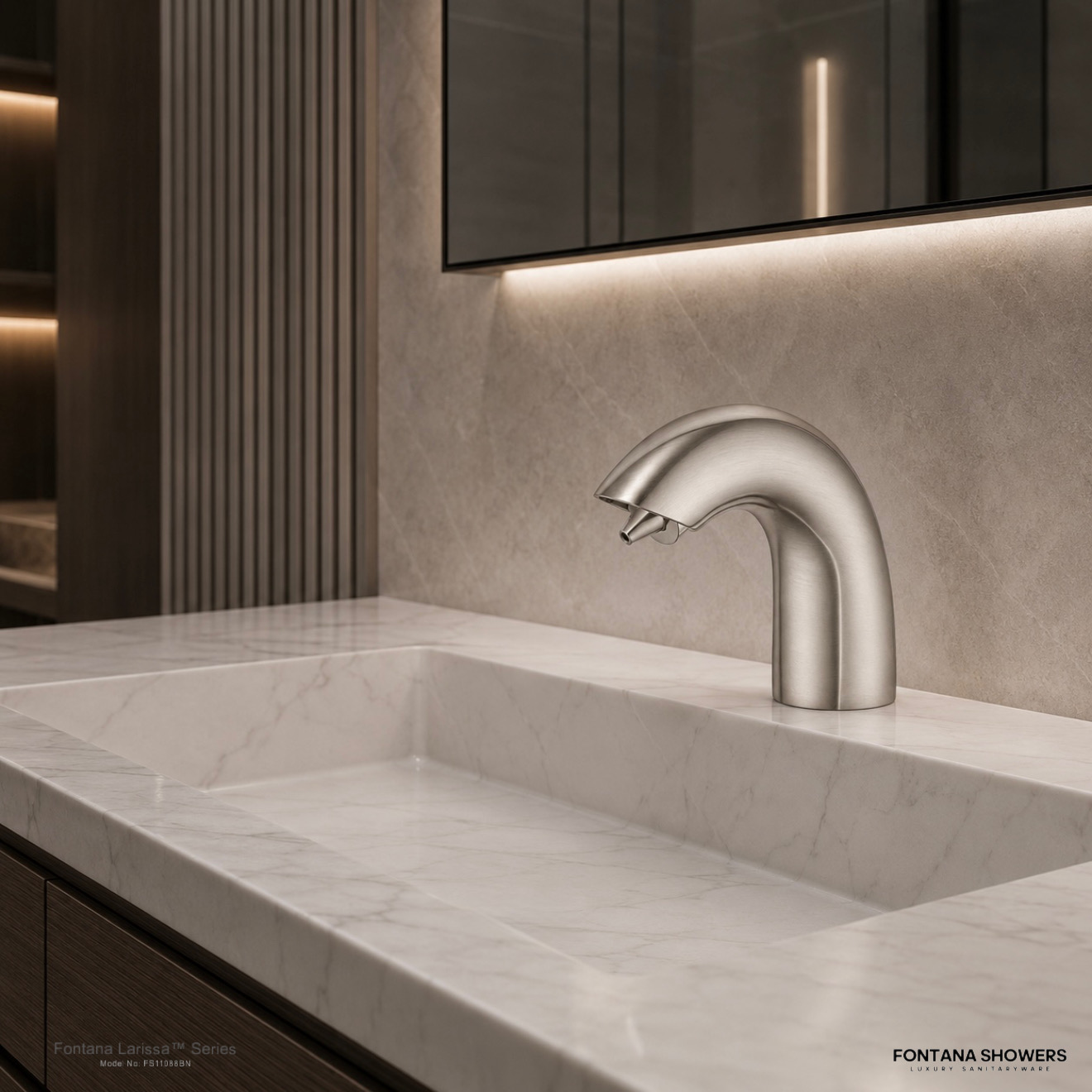 "
alt="Automatic foaming soap dispenser for commercial washrooms"
loading="lazy"
/>
"
alt="Automatic foaming soap dispenser for commercial washrooms"
loading="lazy"
/>
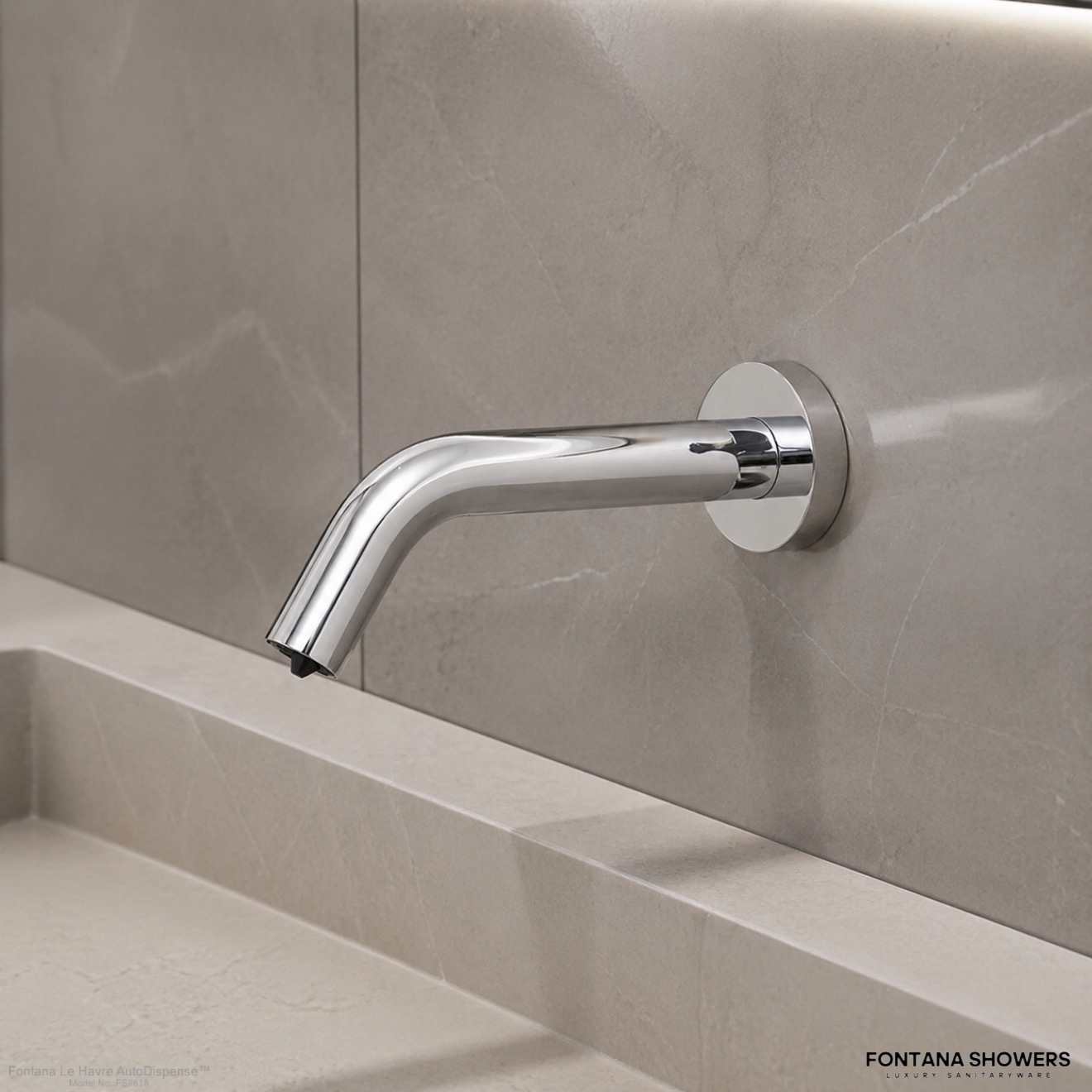 "
alt="Commercial sensor fixture installation"
loading="lazy"
/>
"
alt="Commercial sensor fixture installation"
loading="lazy"
/>

 alt="Commercial automatic soap dispenser and touchless handwashing installation" loading="lazy"/>
.jpg)